
1535nm 12–18km Laser Rangefinder Modules
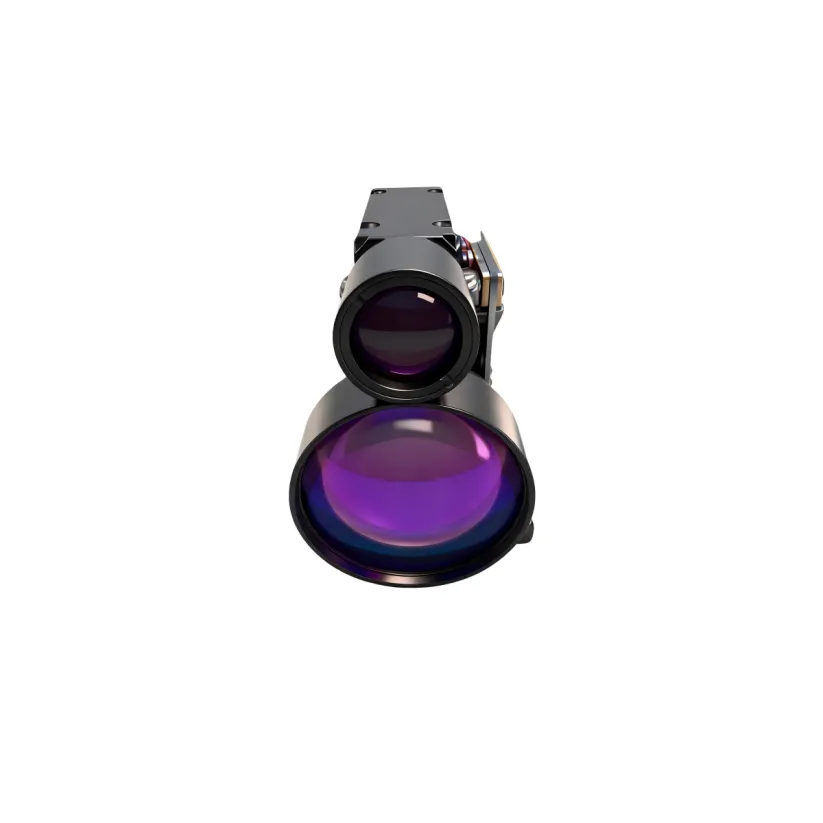
Explore ERDI's 1535nm long-range laser rangefinder modules designed for OEM electro-optical system integration. The series includes 12km, 15km, and 18km ranging classes, with model-specific performance defined by target size, reflectivity, and atmospheric visibility. Compare optical specifications, ranging conditions, and integration requirements to identify a suitable module for your system.
-
1535nm Laser Ranging Sensor Module - 12kmLRF1222C · 300 μJ · 12km NATO Target · Φ58 × 134 mm · RS-422 · ≤335 g
-
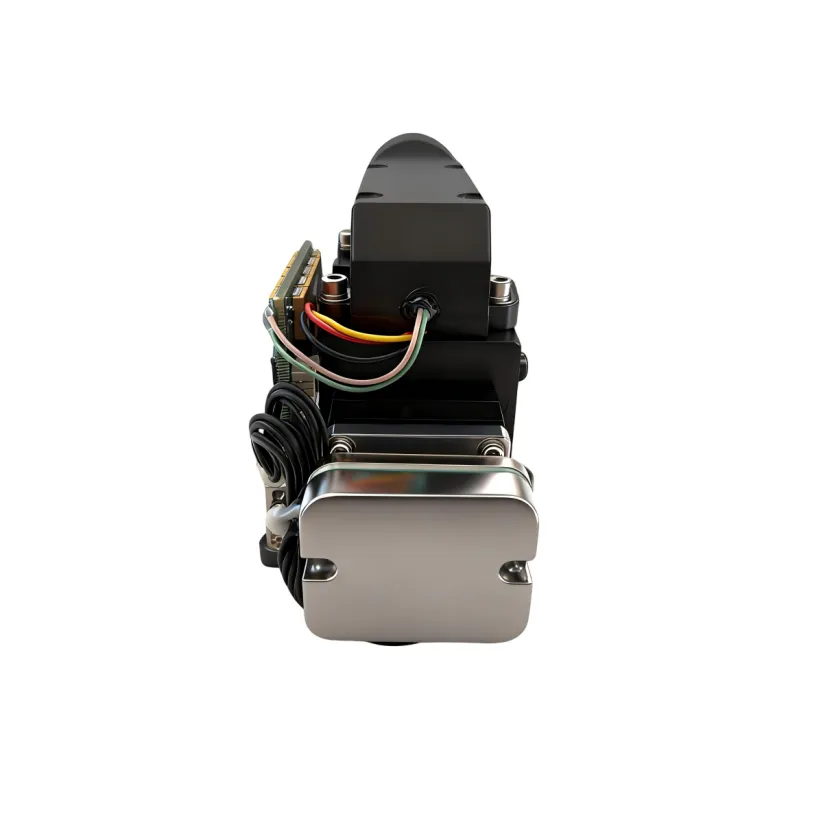
DPSS Laser Rangefinder Module 1535nm - 12kmLRF1221C · 300 μJ · 12km 4*6m Target · 0.5~10Hz · RS-422 · ≤275 g
-
DPSS Laser Rangefinder Module 1535nm - 15kmLRF1525C · 500 μJ · 15km 4*6m Target · 0.5~10Hz · 125*85*58.5mm · 400 g
-
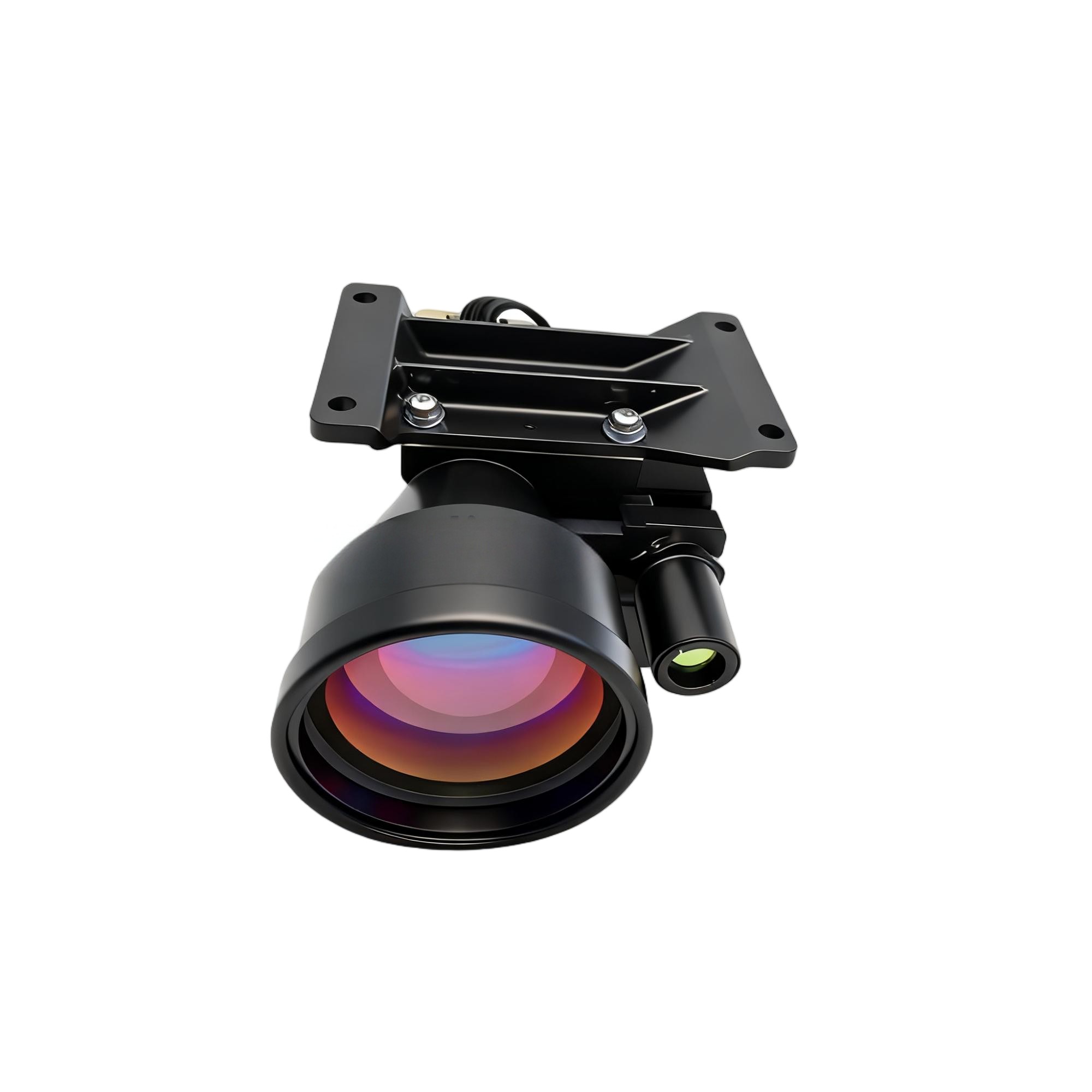
Erbium Laser Rangefinder Module 1535nm - 18kmLRF1830C · 18km 3*3m Target · 18/60mm Lens · 400 g





Understanding Long-Range Laser Ranging Performance
Specified Ranging Conditions by Model
FAQs
What is the difference between 12km, 15km, and 18km laser rangefinder modules?
The ranging classes represent model-specific performance under defined target and environmental conditions. Target dimensions, reflectivity, visibility, and optical specifications should be reviewed before comparing models.
How do target size and atmospheric visibility affect long-range measurement?
Target size and reflectivity affect the returned laser signal, while atmospheric visibility and humidity influence signal transmission. Actual ranging performance may vary from the specified test results.
Are all ERDI 1535nm long-range modules eye-safe?
The supplied specifications classify these modules as Class 1. Eye-safety classification of a finished OEM product should be assessed for its complete optical and operating configuration.
What communication interfaces are available for OEM integration?
The supplied product documentation describes RS422 and TTL interface configurations across the series. Availability and electrical pin definitions must be confirmed for the selected model and configuration. Read our 1535nm Laser Rangefinder Selection Guide.