
Compact Square Laser Rangefinder Modules
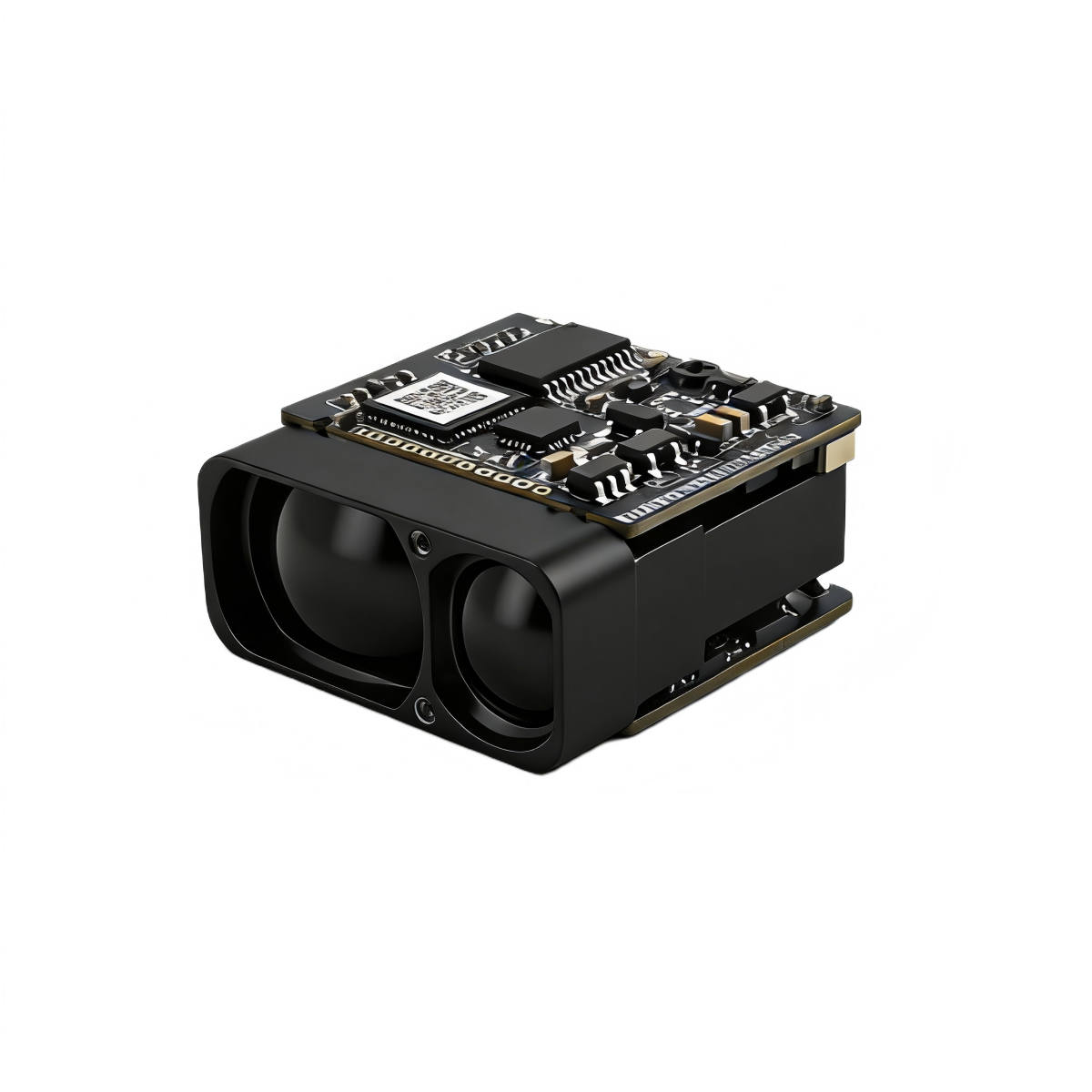
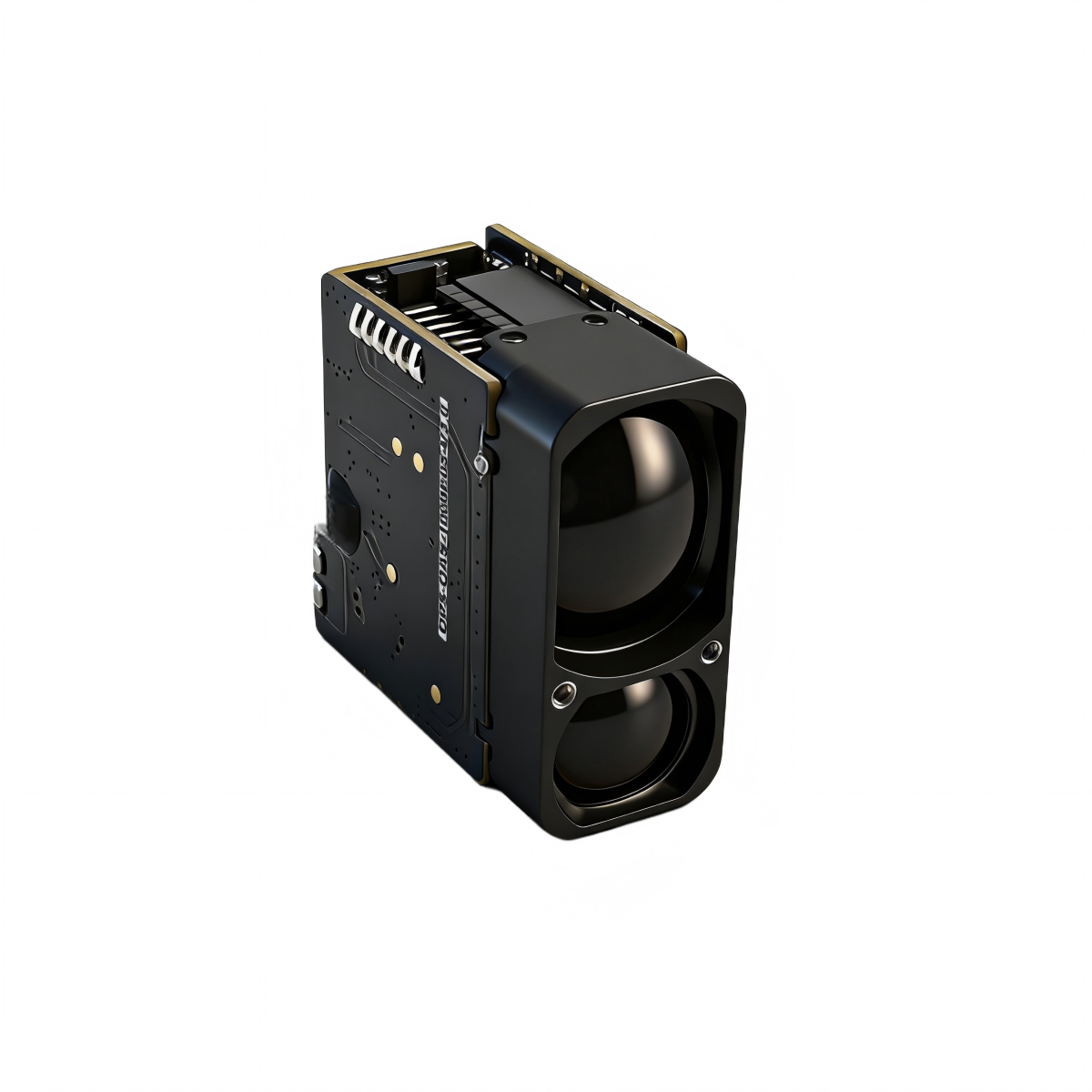
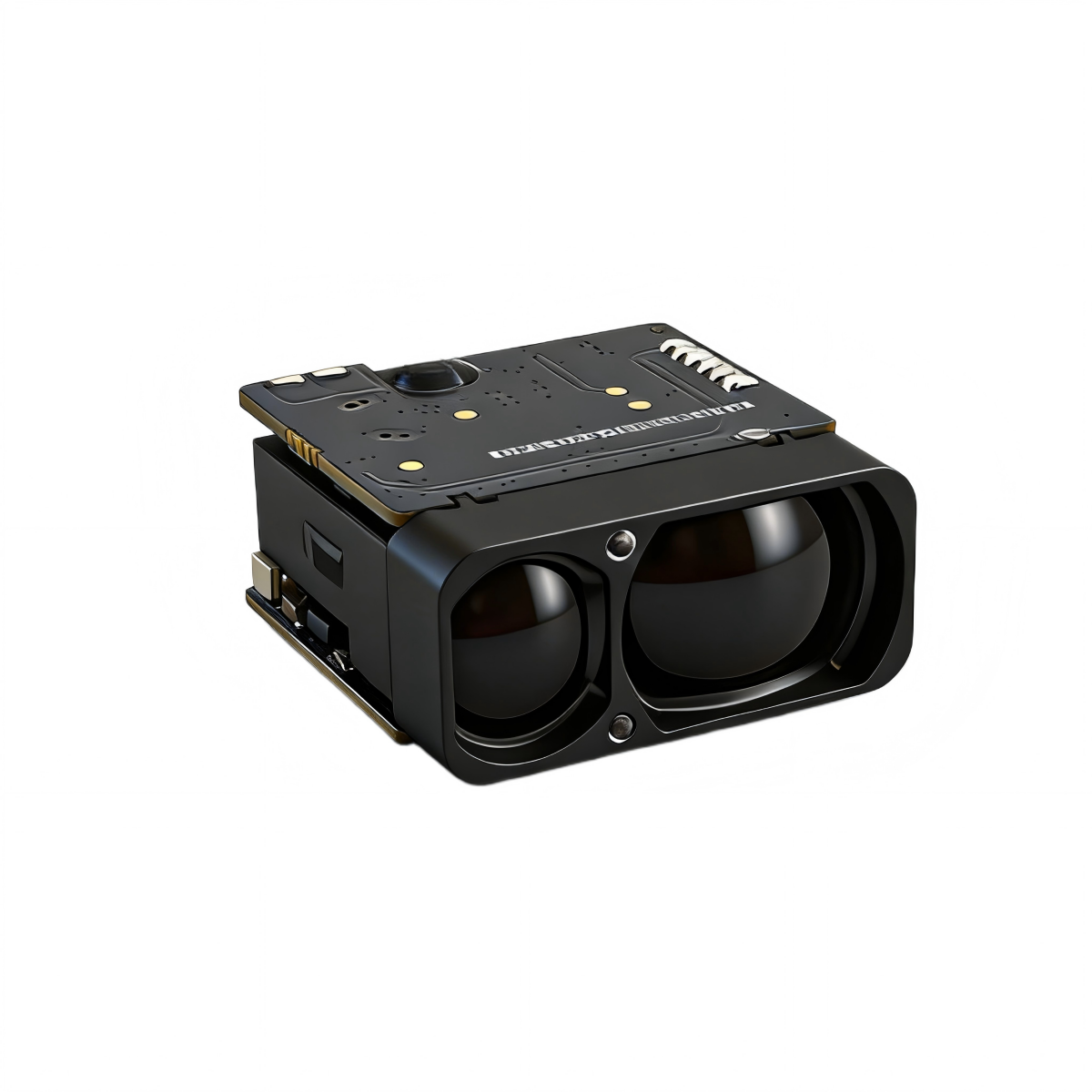
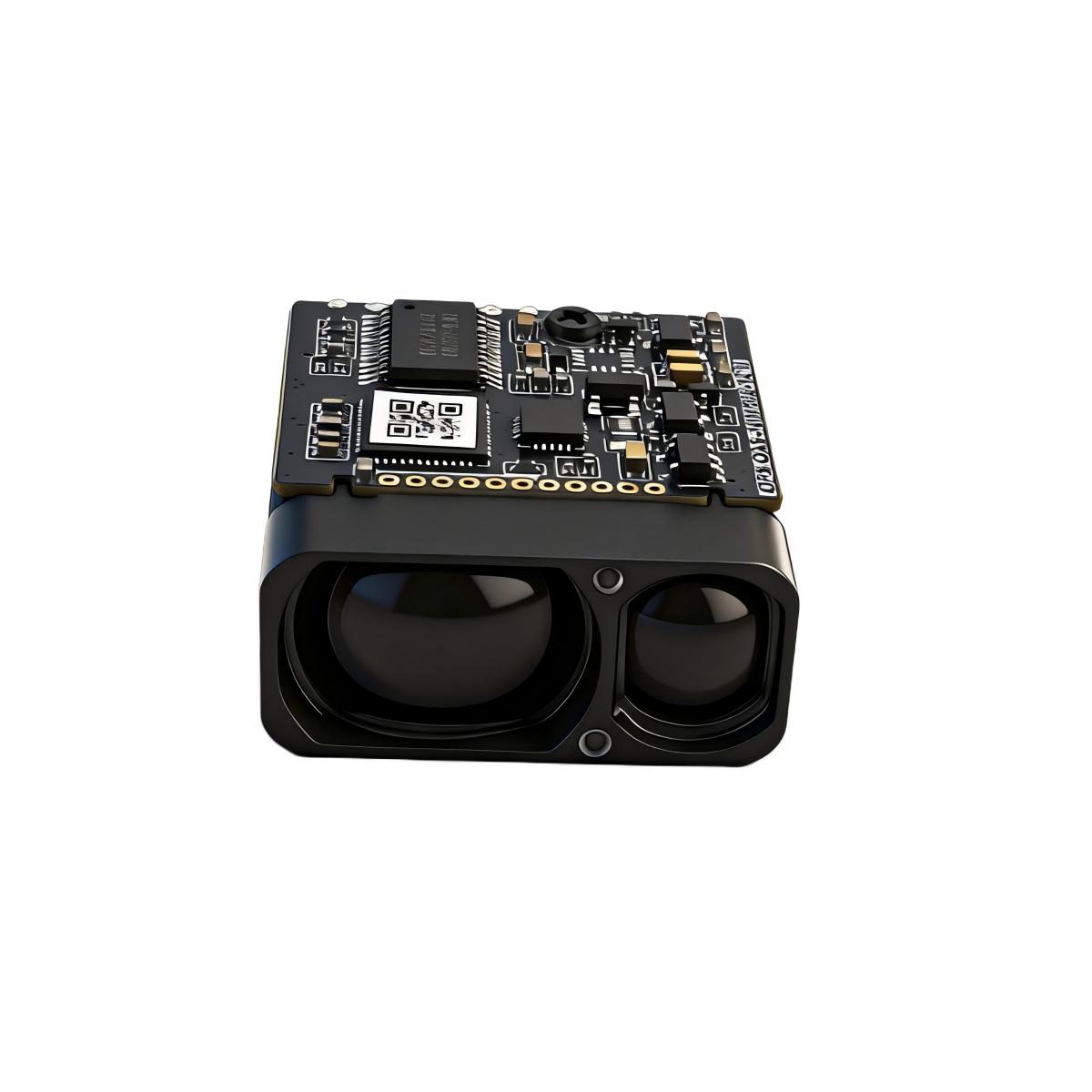
Explore ERDI's compact 905nm laser rangefinder modules, offering 1000–2000m ranging classes in lightweight, approximately 10g housings. The E series features compact rectangular designs and UART-TTL communication for integration into space-constrained OEM optical systems.
-
905nm Laser Rangefinder Module - Compact 4–1000 m Distance SensorLR1000E2 · 9mrad · 4~1000m · 3~10Hz · 25.65*13.2*24.6mm · 10g
-
905nm Laser Rangefinder Module - Compact 4~1200m Distance SensorLR1200E2 · 4mrad · 4~1200m · 2~10Hz · 200ms Startup · 10g
-
905nm Laser Rangefinder Module – Compact 4~1500m Distance SensorLR1500E2 · 6mrad · 4~1500m · 2~10Hz · 1000g/ms Shock · 10g
-
905nm Laser Rangefinder Module - Compact 4~2000m Distance SensorLR2000E2 · 6mrad · 4~2000m · ≈1.2W · MTBF≥1500h · 10g
Compare Compact Square 905nm Laser Rangefinder Modules
FAQs
What factors affect the ranging performance of compact 905nm laser rangefinder modules?
Ranging performance depends on target size, reflectivity, atmospheric visibility, and operating conditions. The specified ranging class does not guarantee the same measurement distance for every target. Refer to the individual datasheets for model-specific performance conditions.
How does beam divergence affect E module selection?
Beam divergence determines how the laser beam spreads over distance. A narrower beam may be beneficial when measuring smaller targets, but actual ranging performance also depends on the receiver, target characteristics, and environmental conditions. The LR1200E2 specifies a divergence below 4mrad, compared with below 6mrad for LR1500E2 and LR2000E2 and below 9mrad for LR1000E2.
What should I check when comparing ranging accuracy between E models?
Ranging accuracy should be evaluated together with measuring distance, target conditions, and valid measurement rate. Accuracy specifications are not identical across all E models. Refer to each product datasheet for the applicable measurement conditions and performance limits.
Can E laser rangefinder modules be integrated into existing optical systems?
The E series supports UART-TTL communication and 3.3–5V power input. Mechanical drawings, communication protocols, and test software are available to support integration. Compatibility should be evaluated against your system's mechanical, optical, and electrical requirements.