
1535nm Eye-safe Erbium Glass Laser
-
1535nm High Frequency Erbium Glass Laser - 500Hz
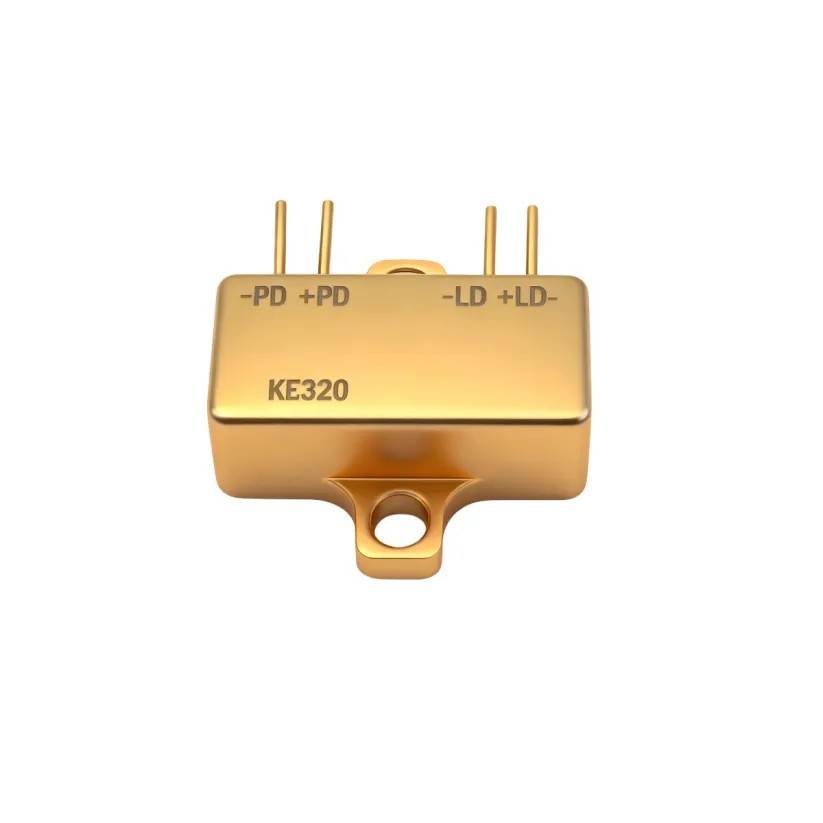
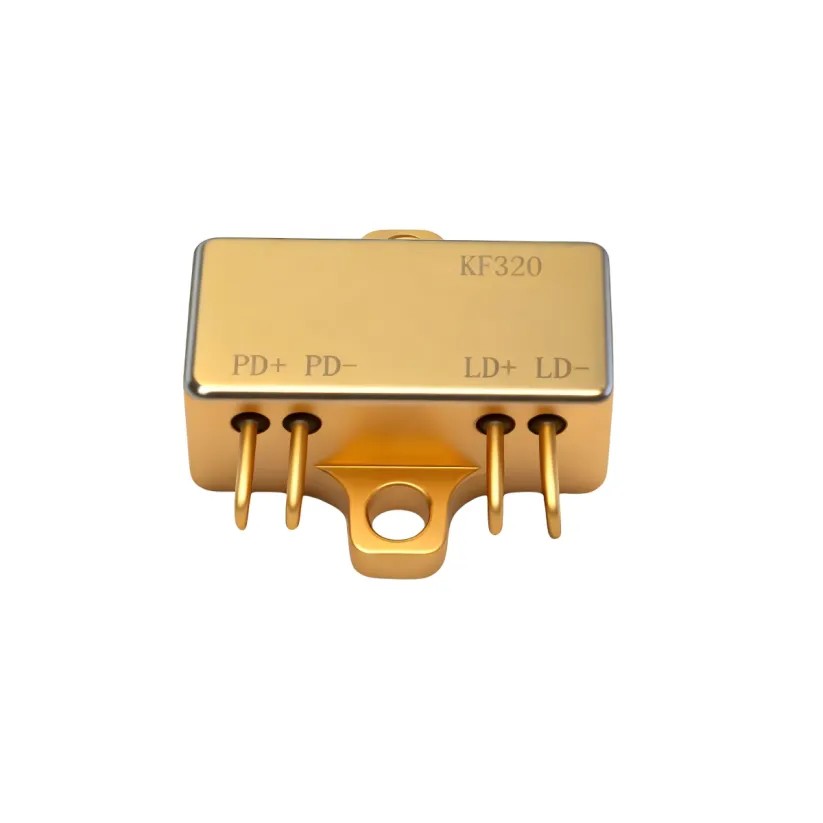
1535nm High Frequency Erbium Glass Laser - 500Hz
$0.00 USD -
1535nm High-frequency Eye safe Erbium Laser - 1 kHz
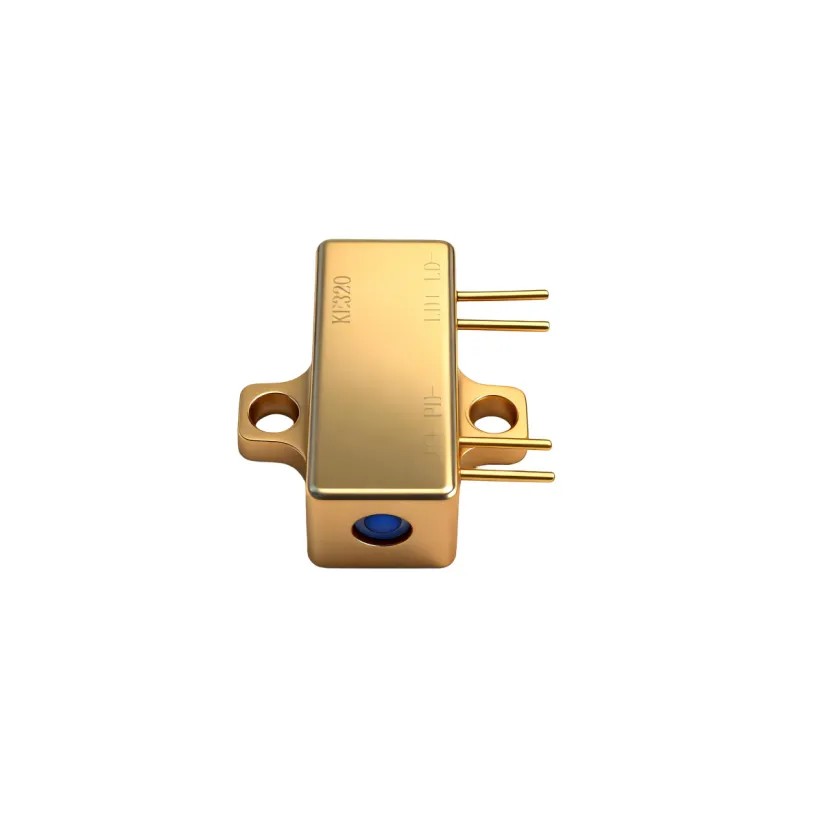
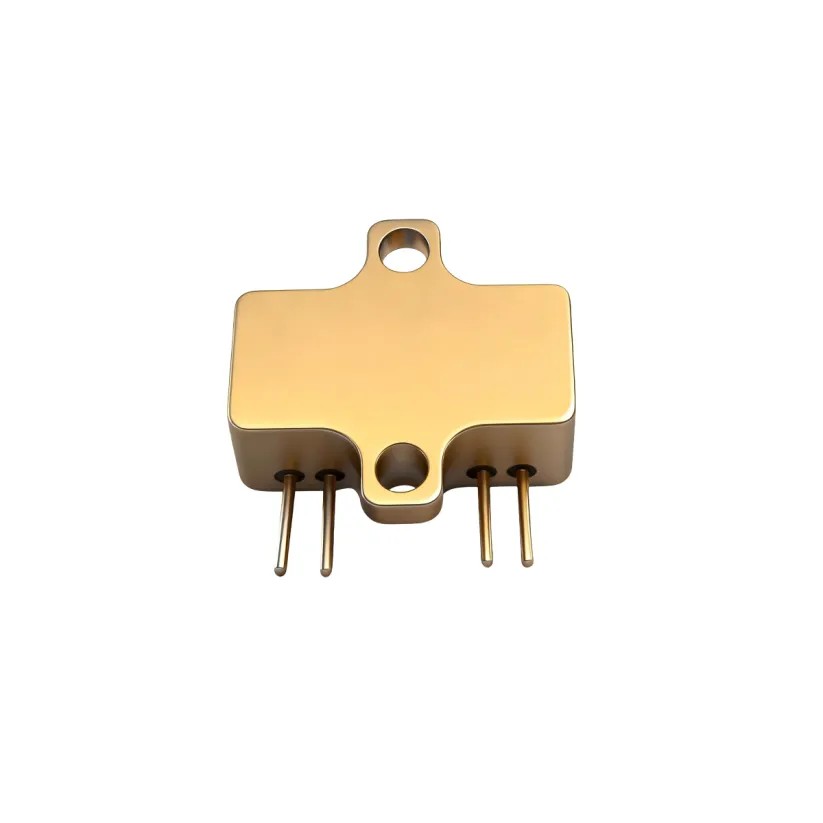
1535nm High-frequency Eye safe Erbium Laser - 1 kHz
$350.00 USD $430.00 USD -
1535nm High-frequency Eye safe Erbium Laser - 2kHz
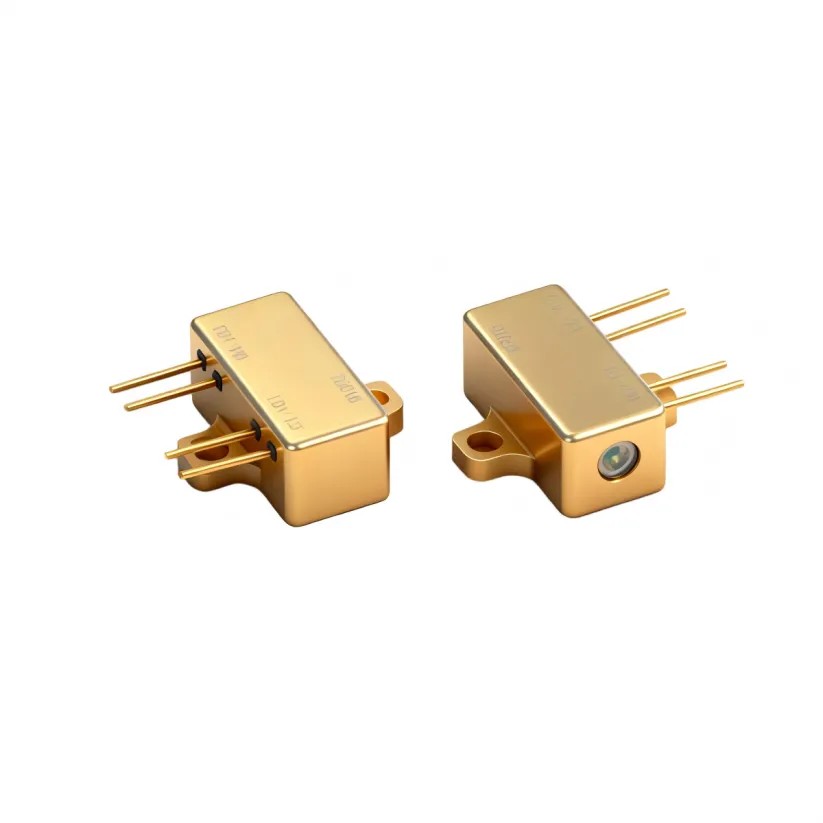
1535nm High-frequency Eye safe Erbium Laser - 2kHz
$350.00 USD $490.00 USD -
1535nm High Frequency Erbium Glass Laser - 5kHz
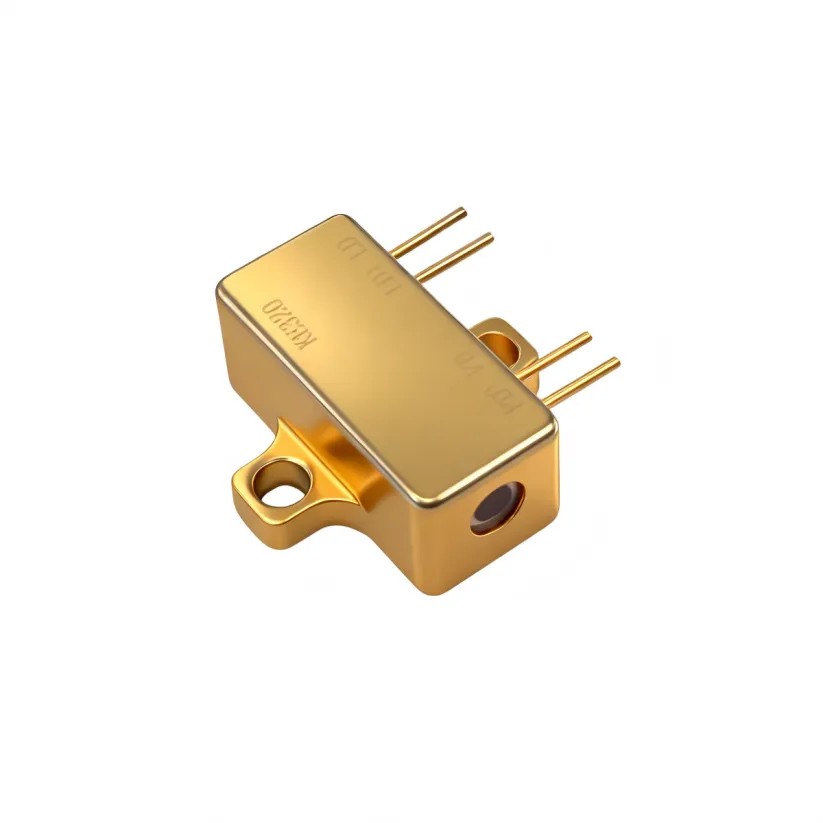
1535nm High Frequency Erbium Glass Laser - 5kHz
$0.00 USD
Comparison
| Feature | High Frequency Laser | Low-energy Laser | High-energy Laser |
|---|---|---|---|
| Models | ER10–ER70 | MINI100–ER900 | ER2000–ER10000 |
| Pulse Energy | 10–70μJ | 100–900μJ | 2–10mJ |
| Repetition Rate | Up to 5kHz | Up to 10Hz | Up to 5Hz |
| Size | Ultra Compact | Compact | Larger Format |
| Best For | Fast Scanning | Portable Systems | Long-Range Detection |
| Typical Applications | LiDAR | Rangefinders | Surveillance & Targeting |
High Frequency Laser
| Module | ER10 | ER20 | ER40 | ER70 |
| Pulse Energy | ≥10 μJ | ≥20 μJ | ≥40 μJ | ≥70 μJ |
| Laser Pulse Width | 5 ns | 5 ns | 4 ns | 4 ns |
| Drive Pulse Width | ≤ 0.3ms | ≤ 0.3 ms | ≤ 0.4ms | ≤ 0.4ms |
| Pulse Repetition Rate | 5KHz | 2.5 KHz | 1KHz | 500Hz |
| Wavelength | 1535nm | |||
| Eyesafe | Class 1 | |||
| Pulse Stability | 0.1 | |||
| Directivity | <0.2° | |||
| Raw Beam Diameter | 0 .2 mm | |||
| Beam Divergence Angle | <15 mrad | |||
| Beam Mode | TEM00 | |||
| Operating Temperature | -45 ℃~+65 ℃ | |||
| Storage Temperature | -55 ℃~+85 ℃ | |||
| Dimension (mm) | 17×8×7 | |||
| Weight | 7 g | |||
| Voltage | 2 V | |||
| Electric current | 5 A | |||
| Impact | 1500 G, 0 . 5 ms | |||
| Vibration | 20~2000 Hz/20 G | |||
| Service life | >5 million times | |||
Low-energy Laser
| Model | MINI-100 | ER100 | ER200 | ER300 | ER400 | ER500 | ER800 | ER900 |
| Pulse energy | ≥100 μJ | ≥100 μJ | ≥200 μJ | ≥300 μJ | ≥400 μJ | ≥500 μJ | ≥800 μJ | ≥900 μJ |
| Laser Pulse width | 3.5 ns | 6 ns | 5 ns | 5 ns | 6 ns | 6 ns | 7 ns | 7 ns |
| Drive pulse width | ≤ 1ms | ≤ 2.4ms | ≤ 2.4ms | ≤ 2.4ms | ≤ 2.4ms | ≤ 2.4ms | 3 ms | 3 ms |
| Pulse repetition rate | 1~10Hz | 1~10Hz | 1~10Hz | 1~10Hz | 1~10Hz | 1~10Hz | 1~10Hz | 1~5Hz |
| Beam divergence angle | ≤ 10 mrad | ≤ 8 mrad | ≤ 8 mrad | ≤ 7 mrad | ≤ 7 mrad | ≤ 7 mrad | ≤ 7 mrad | ≤ 7 mrad |
| Dimension (mm³) | 14.5×6.3×4.37 | 21×8×6.8 | 25×8×6.8 | 25×8×6.8 | 35×8×6.8 | 35×8×6.8 | 40×8×7.5 | 40×8×7.5 |
| Weight | 2.5 g | 7 g | 7 g | 8.5 g | 12 g | 12 g | 18 g | 18 g |
| Electric current | 12 A | 8 A | 10A | 12A | 15 A | 15 A | 30 A | 30 A |
| Wavelength | 1.54 μm | |||||||
| Eye Safe | Class 1 | |||||||
| Pulse Stability | 0.1 | |||||||
| Raw Beam Diameter | 0.3mm | |||||||
| Beam Mode | TEM00 | |||||||
| Operating temperature | -40 ℃ ~ +65 ℃ | |||||||
| Storage temperature | -55 ℃ ~+ 85℃ | |||||||
| Voltage | 2V | |||||||
| Impact | Meets MIL-STD-810G test standards (1500 G, 0.5 ms) | |||||||
| Vibration | Meets MIL-STD-810G test standards (20~2000 Hz/20 G) | |||||||
| Service life | ≥10 million times | |||||||
High-energy Laser
| Model | ER2000 | ER4000 | ER8000 | ER10000 |
| Pulse energy | ≥ 2 mJ | ≥ 4 mJ | ≥ 8 mJ | ≥ 10 mJ |
| Laser Pulse width | 12 ns | 12 ns | 13 ns | 12 ns |
| Raw Beam Diameter | 0 .5 mm | 0 .5 mm | 0 .8 mm | 0 .8 mm |
| Dimension (mm³) | 60×25×13.5 | 60×25×13.5 | 110×40×24 | 110×40×24 |
| Weight | 105 g | 105 g | 220 g | 220 g |
| Voltage | 5 V | 5 V | 15 V | 15 V |
| Electric current | 65 A | 65 A | 80 A | 80 A |
| Wavelength | 1.54 μm | |||
| Eyesafe | Class 1 | |||
| Drive Pulse Width | ≤ 4ms | |||
| Pulse Repetition Rate | 1~5Hz | |||
| Pulse Stability | 0.05 | |||
| Beam Divergence Angle | ≤ 4 mrad | |||
| Beam Mode | TEM00 | |||
| Operating Temperature | -40 ℃ ~ +65 ℃ | |||
| Storage Temperature | -55 ℃ ~+ 75℃ | |||
| Impact | Meets MIL-STD-810G test standards | |||
| Vibration | Meets MIL-STD-810G test standards | |||
| Service life | ≥10 million times | |||
-
High Frequency Laser
-
Low-energy Laser
-
High-energy Laser
| Module | ER10 | ER20 | ER40 | ER70 |
| Pulse Energy | ≥10 μJ | ≥20 μJ | ≥40 μJ | ≥70 μJ |
| Laser Pulse Width | 5 ns | 5 ns | 4 ns | 4 ns |
| Drive Pulse Width | ≤ 0.3ms | ≤ 0.3 ms | ≤ 0.4ms | ≤ 0.4ms |
| Pulse Repetition Rate | 5KHz | 2.5 KHz | 1KHz | 500Hz |
| Wavelength | 1535nm | |||
| Eyesafe | Class 1 | |||
| Pulse Stability | 0.1 | |||
| Directivity | <0.2° | |||
| Raw Beam Diameter | 0 .2 mm | |||
| Beam Divergence Angle | <15 mrad | |||
| Beam Mode | TEM00 | |||
| Operating Temperature | -45 ℃~+65 ℃ | |||
| Storage Temperature | -55 ℃~+85 ℃ | |||
| Dimension (mm) | 17×8×7 | |||
| Weight | 7 g | |||
| Voltage | 2 V | |||
| Electric current | 5 A | |||
| Impact | 1500 G, 0 . 5 ms | |||
| Vibration | 20~2000 Hz/20 G | |||
| Service life | >5 million times | |||
| Model | MINI-100 | ER100 | ER200 | ER300 | ER400 | ER500 | ER800 | ER900 |
| Pulse energy | ≥100 μJ | ≥100 μJ | ≥200 μJ | ≥300 μJ | ≥400 μJ | ≥500 μJ | ≥800 μJ | ≥900 μJ |
| Laser Pulse width | 3.5 ns | 6 ns | 5 ns | 5 ns | 6 ns | 6 ns | 7 ns | 7 ns |
| Drive pulse width | ≤ 1ms | ≤ 2.4ms | ≤ 2.4ms | ≤ 2.4ms | ≤ 2.4ms | ≤ 2.4ms | 3 ms | 3 ms |
| Pulse repetition rate | 1~10Hz | 1~10Hz | 1~10Hz | 1~10Hz | 1~10Hz | 1~10Hz | 1~10Hz | 1~5Hz |
| Beam divergence angle | ≤ 10 mrad | ≤ 8 mrad | ≤ 8 mrad | ≤ 7 mrad | ≤ 7 mrad | ≤ 7 mrad | ≤ 7 mrad | ≤ 7 mrad |
| Dimension (mm³) | 14.5×6.3×4.37 | 21×8×6.8 | 25×8×6.8 | 25×8×6.8 | 35×8×6.8 | 35×8×6.8 | 40×8×7.5 | 40×8×7.5 |
| Weight | 2.5 g | 7 g | 7 g | 8.5 g | 12 g | 12 g | 18 g | 18 g |
| Electric current | 12 A | 8 A | 10A | 12A | 15 A | 15 A | 30 A | 30 A |
| Wavelength | 1.54 μm | |||||||
| Eye Safe | Class 1 | |||||||
| Pulse Stability | 0.1 | |||||||
| Raw Beam Diameter | 0.3mm | |||||||
| Beam Mode | TEM00 | |||||||
| Operating temperature | -40 ℃ ~ +65 ℃ | |||||||
| Storage temperature | -55 ℃ ~+ 85℃ | |||||||
| Voltage | 2V | |||||||
| Impact | Meets MIL-STD-810G test standards (1500 G, 0.5 ms) | |||||||
| Vibration | Meets MIL-STD-810G test standards (20~2000 Hz/20 G) | |||||||
| Service life | ≥10 million times | |||||||
| Model | ER2000 | ER4000 | ER8000 | ER10000 |
| Pulse energy | ≥ 2 mJ | ≥ 4 mJ | ≥ 8 mJ | ≥ 10 mJ |
| Laser Pulse width | 12 ns | 12 ns | 13 ns | 12 ns |
| Raw Beam Diameter | 0 .5 mm | 0 .5 mm | 0 .8 mm | 0 .8 mm |
| Dimension (mm³) | 60×25×13.5 | 60×25×13.5 | 110×40×24 | 110×40×24 |
| Weight | 105 g | 105 g | 220 g | 220 g |
| Voltage | 5 V | 5 V | 15 V | 15 V |
| Electric current | 65 A | 65 A | 80 A | 80 A |
| Wavelength | 1.54 μm | |||
| Eyesafe | Class 1 | |||
| Drive Pulse Width | ≤ 4ms | |||
| Pulse Repetition Rate | 1~5Hz | |||
| Pulse Stability | 0.05 | |||
| Beam Divergence Angle | ≤ 4 mrad | |||
| Beam Mode | TEM00 | |||
| Operating Temperature | -40 ℃ ~ +65 ℃ | |||
| Storage Temperature | -55 ℃ ~+ 75℃ | |||
| Impact | Meets MIL-STD-810G test standards | |||
| Vibration | Meets MIL-STD-810G test standards | |||
| Service life | ≥10 million times | |||
Related Insights
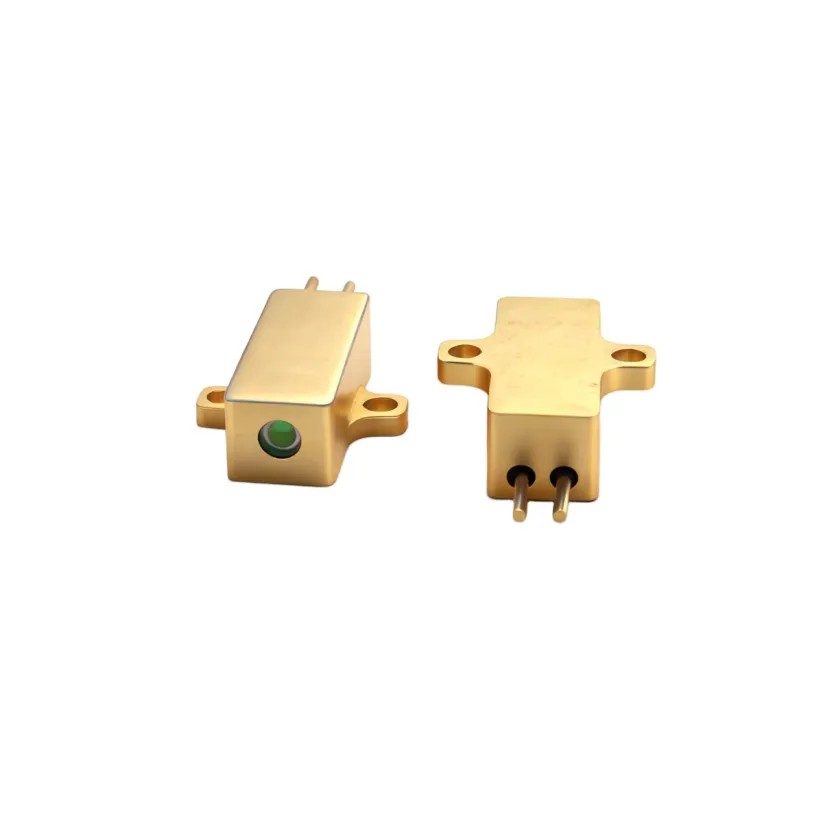

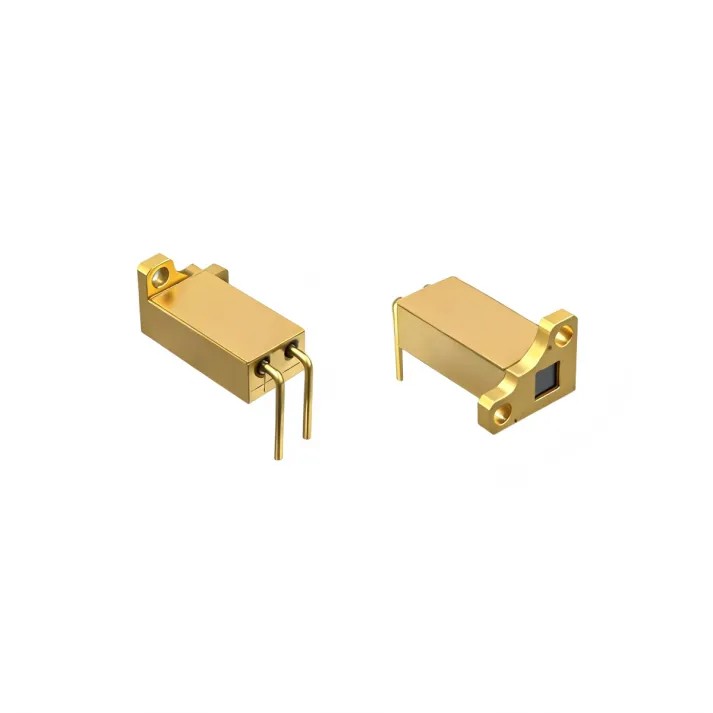
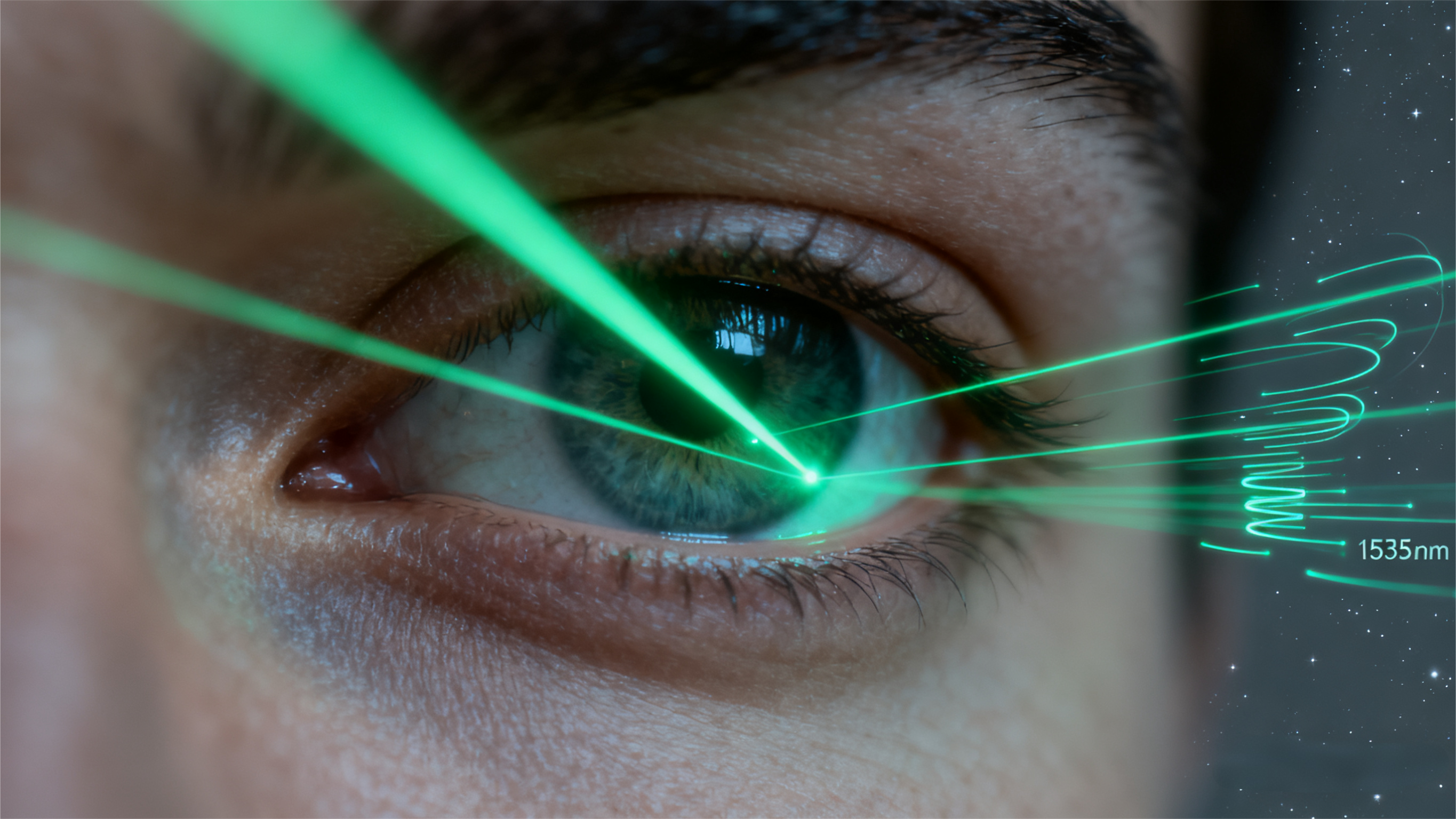
Applications of 1535nm Erbium Glass Lasers
1535nm erbium glass lasers are widely used in applications where eye safety, compact size and reliable ranging performance are critical.
Laser Rangefinders
Erbium glass lasers are the preferred laser transmitter for handheld, vehicle-mounted and airborne laser rangefinders due to their eye-safe wavelength and excellent ranging performance.
LiDAR Systems
High-frequency erbium lasers support obstacle avoidance, navigation, mapping and real-time 3D sensing applications across UAV, robotics and autonomous platforms.
EO/IR Payloads
Compact laser transmitters can be integrated into electro-optical and infrared observation systems for reconnaissance, surveillance and target tracking.
Defense & Security
Military systems rely on erbium glass lasers for target acquisition, fire control, border surveillance and long-range observation applications.
Aerospace & UAV Platforms
Lightweight laser modules are ideal for payload-constrained airborne systems requiring reliable distance measurement and terrain mapping capabilities.
Industrial & Scientific Applications
Erbium lasers are also used in remote sensing, atmospheric monitoring, industrial automation and advanced optical research.