Cart

Your cart is currently empty.

Continue shopping

Thermal Imaging Scope
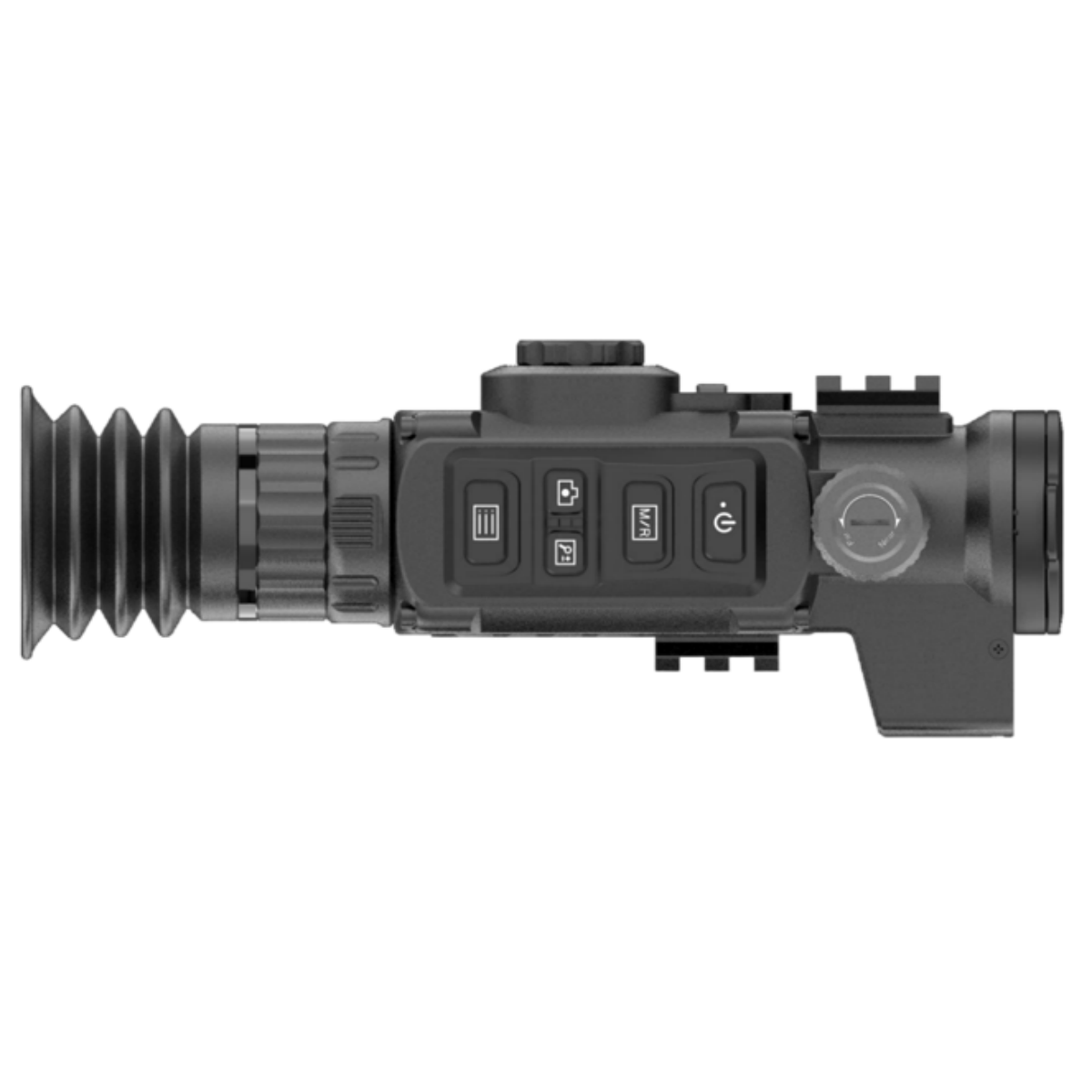
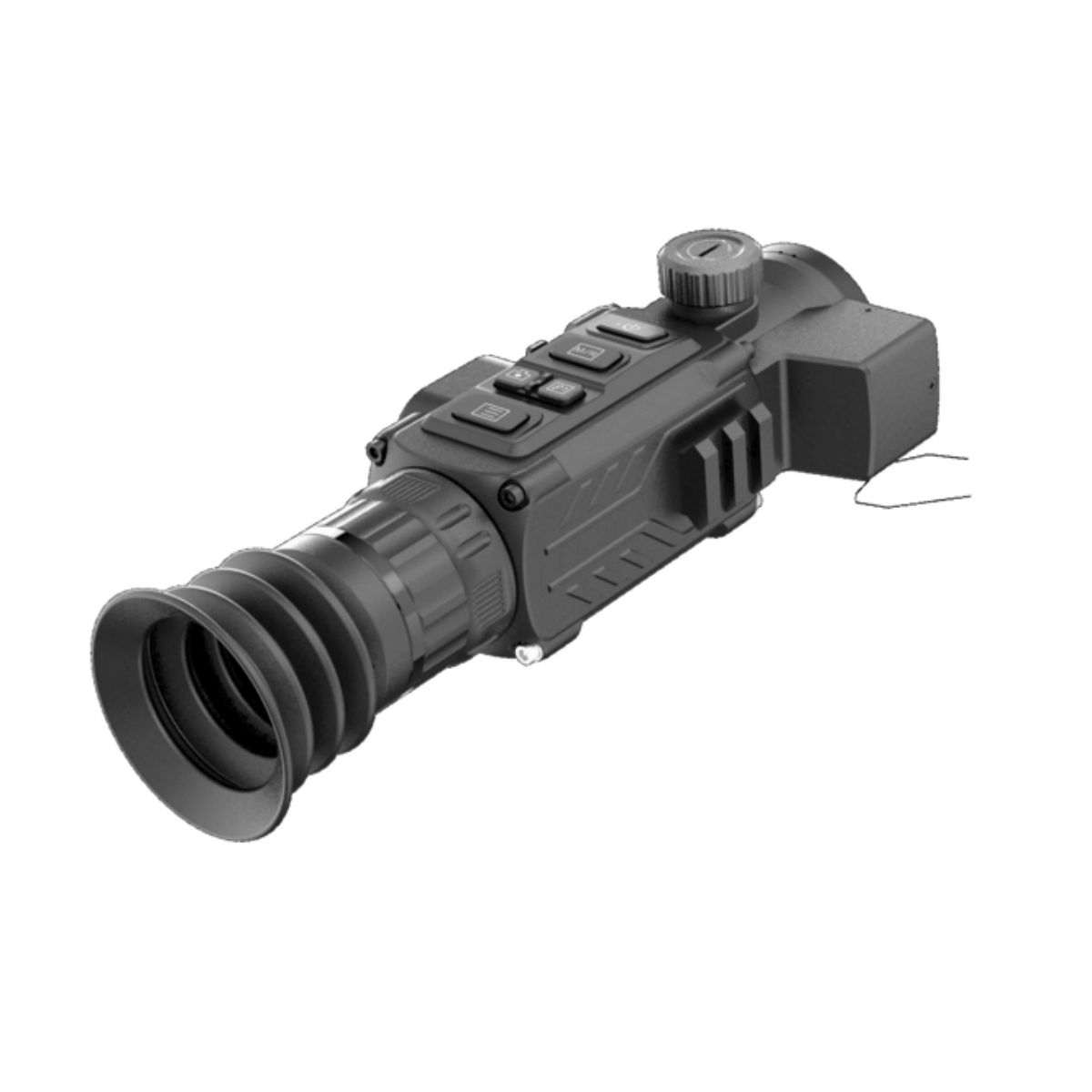
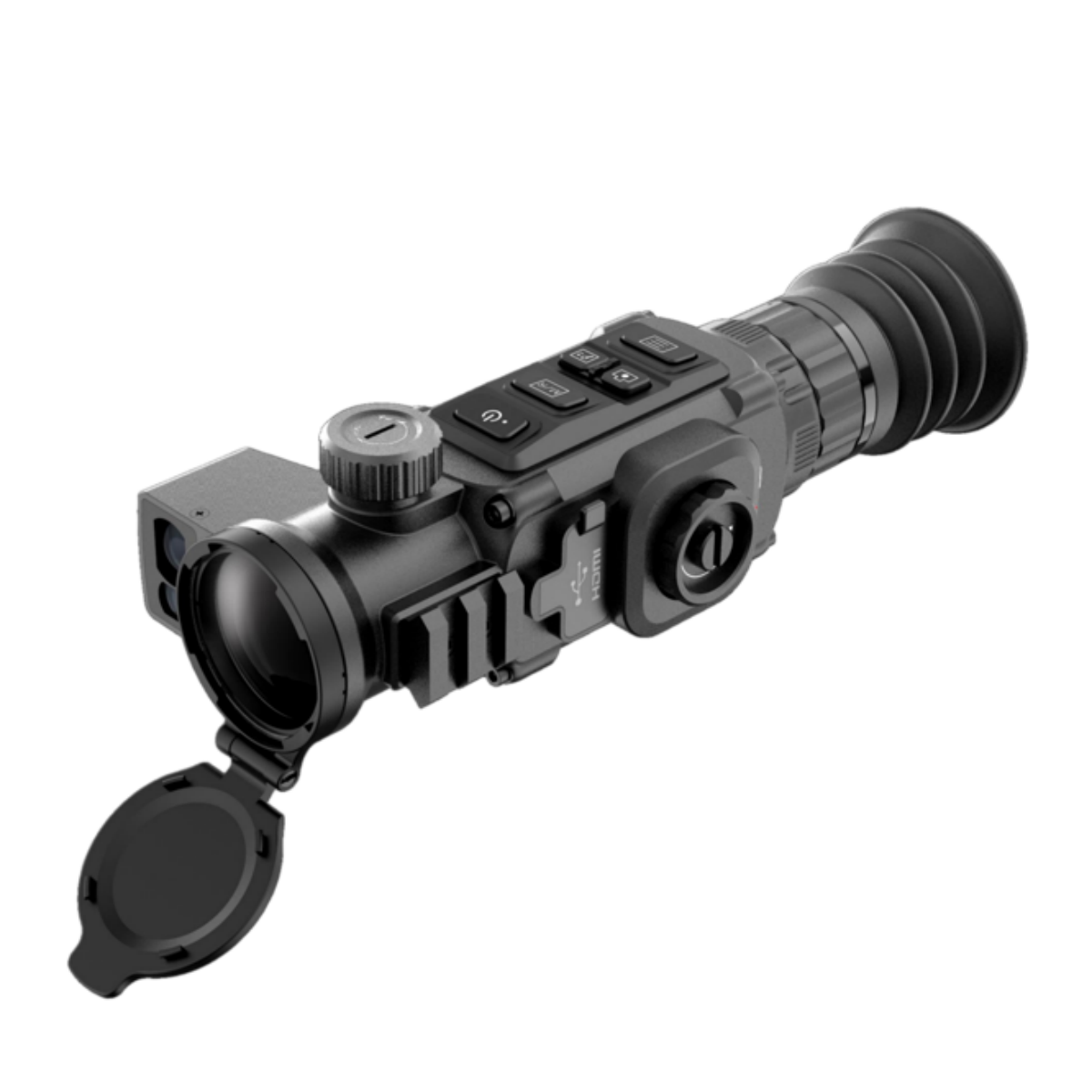
ERDI LASER® Thermal Imaging Scopes combine high-resolution infrared imaging, integrated laser rangefinding, intelligent target tracking and ballistic calculation into a compact field-ready platform. Designed for surveillance, reconnaissance, wildlife observation, search and rescue, and long-range target identification, these systems provide reliable detection capabilities in complete darkness, fog, smoke, rain and other challenging environments. Featuring 640×512 VOx detectors, ≤20mK thermal sensitivity, AMOLED displays and integrated laser rangefinder technology, ERDI thermal scopes deliver accurate situational awareness for professional outdoor and security applications.

Model Why Choose Us Applications FAQ Contact

Why Choose ERDI Thermal Scopes?

✔ 640×512 High-Resolution Thermal Sensor

✔ ≤20mK Ultra-Low NETD Sensitivity

✔ Integrated Laser Rangefinder

✔ AI-Based Target Recognition & Tracking

✔ Ballistic Calculation Support

✔ AMOLED Display for Clear Observation

✔ IP67 Environmental Protection

✔ OEM & ODM Customization Available

Typical Applications of Thermal Imaging Scopes

Modern thermal imaging scopes are widely used in professional observation, surveillance and target identification applications where reliable visibility is required regardless of lighting conditions.

Security & Surveillance

Thermal scopes enable continuous monitoring of personnel, vehicles and potential threats during both daytime and nighttime operations. By detecting heat signatures rather than relying on visible light, they provide effective situational awareness in complex environments.

Search & Rescue

Thermal imaging technology helps locate missing persons, stranded hikers and disaster victims by detecting body heat, even in darkness, smoke, vegetation or challenging terrain where conventional optics may fail.

Wildlife Observation

Researchers, conservationists and outdoor professionals use thermal scopes to observe wildlife behavior without disturbing animals. Thermal imaging enables clear detection of animals in complete darkness and densely vegetated areas.

Border Protection & Perimeter Security

Long-range thermal imaging systems assist in detecting unauthorized movement across large areas, making them valuable for border surveillance, critical infrastructure protection and perimeter monitoring.

Law Enforcement & Tactical Operations

Thermal scopes support target detection, tracking and identification in low-light environments, helping improve operational effectiveness and situational awareness during tactical missions.

Industrial Inspection

Thermal imaging can also be used for equipment inspection, infrastructure monitoring and fault detection by identifying abnormal heat patterns in electrical, mechanical and industrial systems.

Frequently Asked Questions

What is a thermal imaging scope?

A thermal imaging scope is an optical observation device that detects infrared radiation emitted by objects and converts temperature differences into visible images. Unlike traditional night vision devices, thermal scopes do not rely on ambient light and can operate effectively in complete darkness.

How does a thermal scope work?

Thermal scopes use infrared sensors to detect heat emitted by people, animals, vehicles and other objects. The captured thermal data is processed and displayed as a real-time image, allowing users to identify targets based on temperature differences rather than visible light.

What is NETD?

NETD (Noise Equivalent Temperature Difference) is a measurement of a thermal camera's sensitivity. It indicates the smallest temperature difference the sensor can distinguish between objects within a scene.

Why is ≤20mK thermal sensitivity important?

A lower NETD value means higher thermal sensitivity. With a thermal sensitivity of ≤20mK, ERDI thermal scopes can detect extremely subtle temperature variations, resulting in sharper images, better target recognition and improved performance in challenging weather conditions.

What is the difference between 35mm and 50mm thermal scopes?

Generally, a 35mm lens provides a wider field of view, making it suitable for scanning large areas and locating targets quickly. A 50mm lens offers higher magnification and improved long-range target identification, making it ideal for surveillance and observation at extended distances.

Can thermal scopes see through fog, smoke or rain?

Thermal imaging often performs better than conventional optical systems in fog, smoke, haze and light rain because it detects infrared radiation rather than visible light. However, extremely dense atmospheric conditions may still reduce detection performance.

Can thermal imaging work in complete darkness?

Yes. Thermal imaging does not require external illumination or ambient light. Because it detects heat signatures, it remains fully operational during nighttime and in completely dark environments.

What is the advantage of an integrated laser rangefinder?

An integrated laser rangefinder provides accurate distance measurements to observed targets. This enables faster target assessment, improved situational awareness and more precise decision-making in surveillance, observation and tactical applications.

What is the detection range of ERDI thermal scopes?

Detection range depends on target size, environmental conditions and lens configuration. The 50mm model is optimized for extended-range observation and target identification, while the 35mm model offers a wider field of view for general surveillance and scanning applications.

Can ERDI provide OEM and customized thermal imaging solutions?

Yes. ERDI offers OEM and ODM customization services for thermal imaging systems, including optical configuration, laser rangefinder integration, software customization, housing design and application-specific system development.

Contact us