1064nm Laser Rangefinder & Target Designator - 80mJ
MOQ
After-Sales Support
Choose ERDI modules with confidence.
OEM/ODM Capabilities
Support Global Delivery
30-day TrialTake
PRODUCT DESCRIPTON
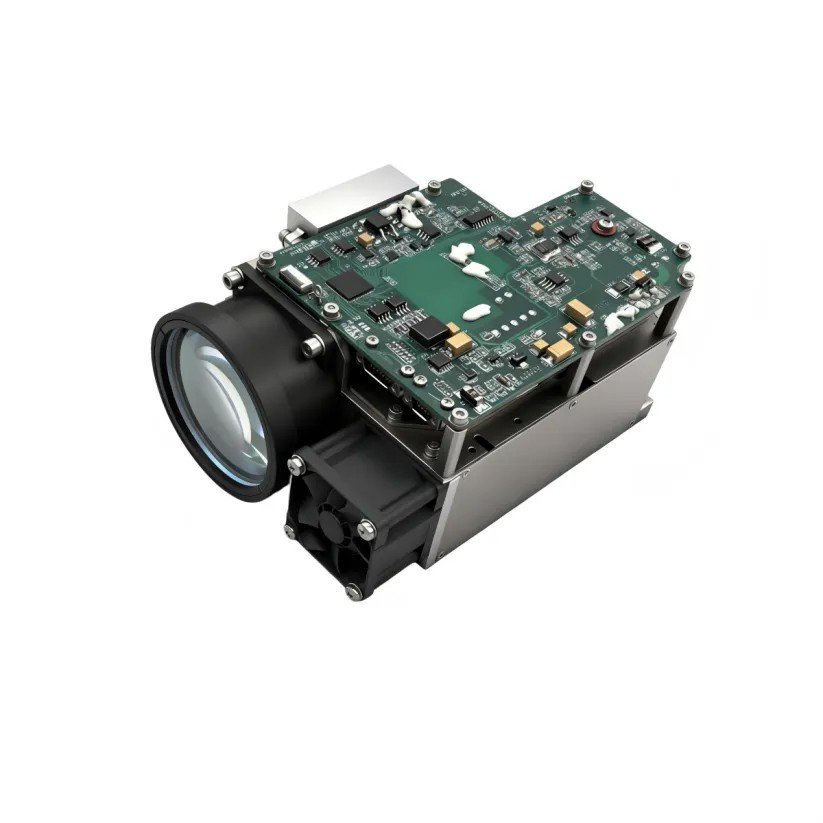
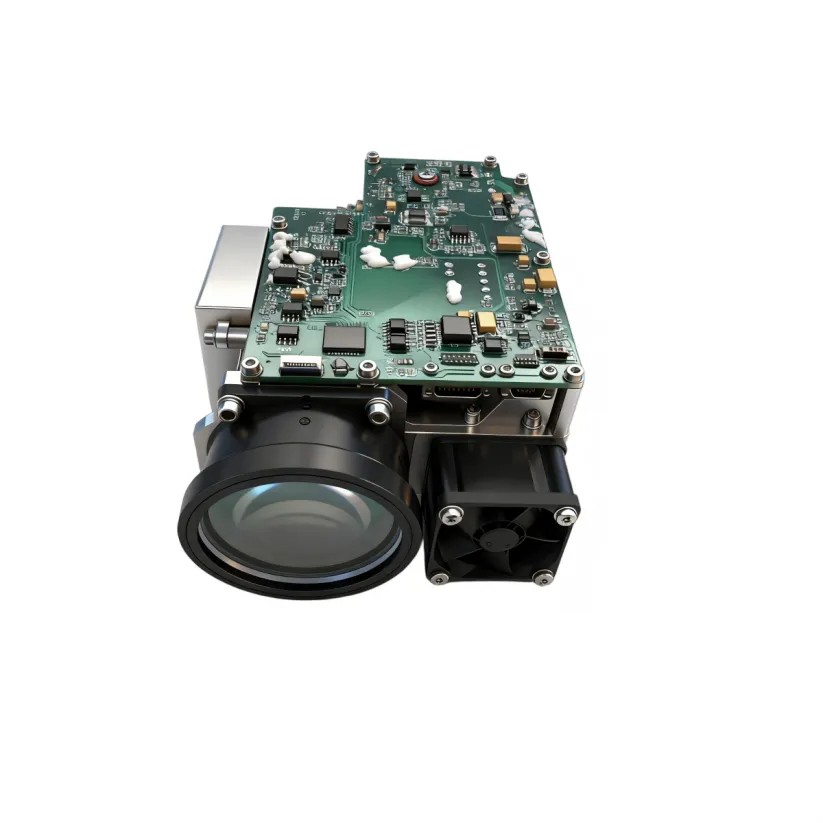
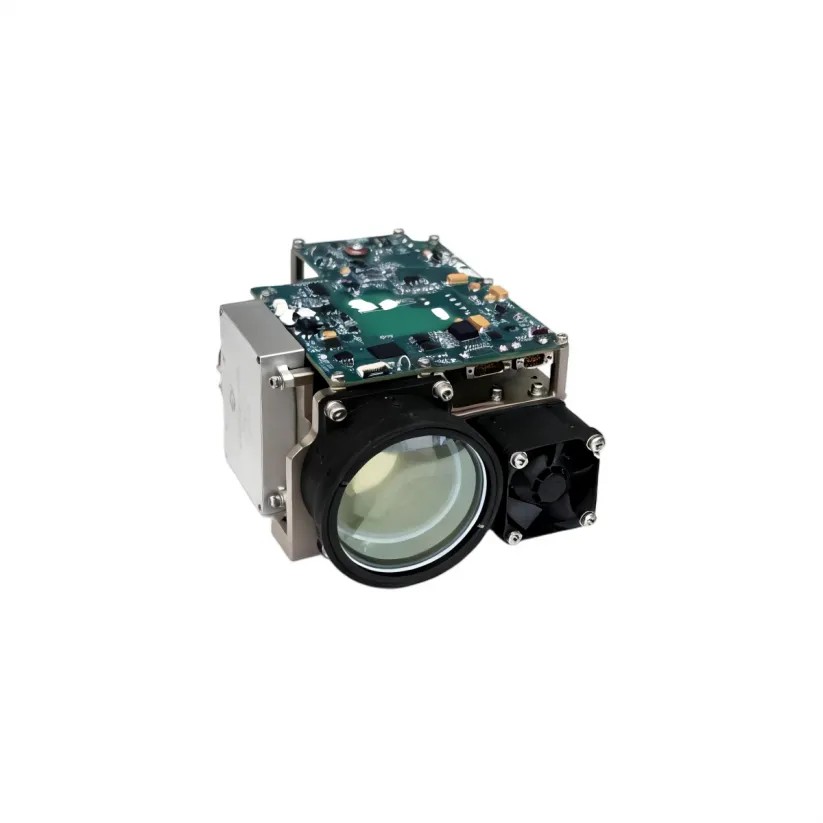
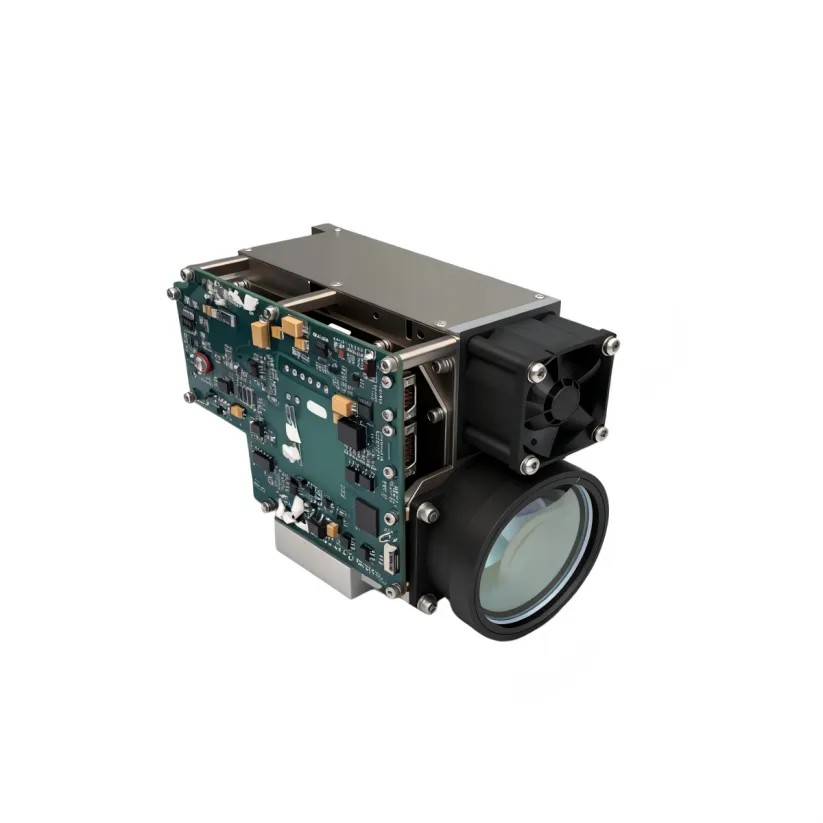
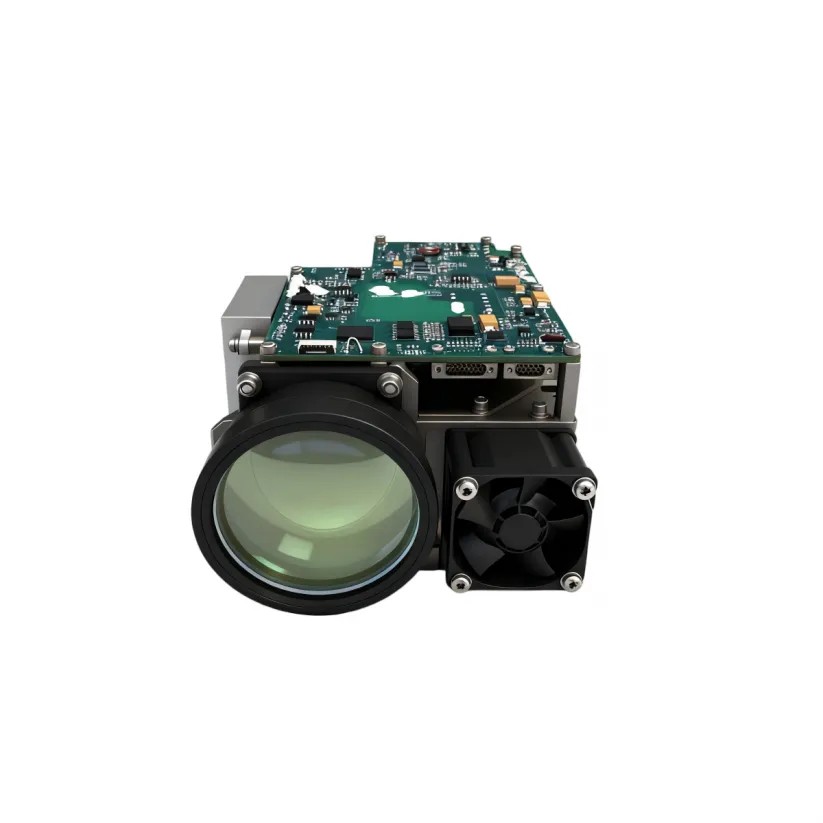
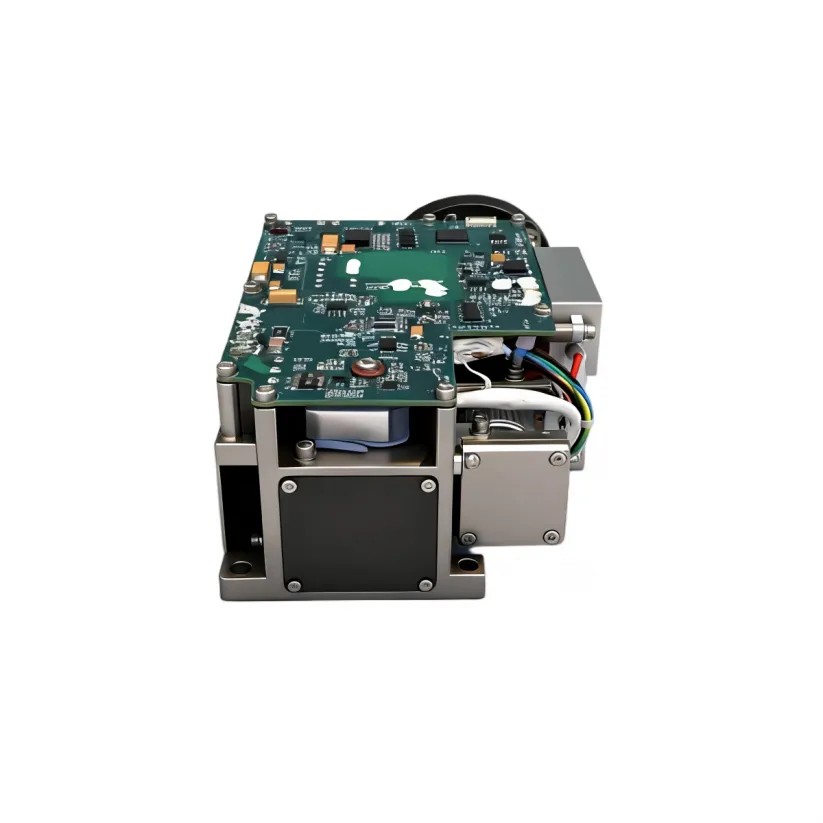
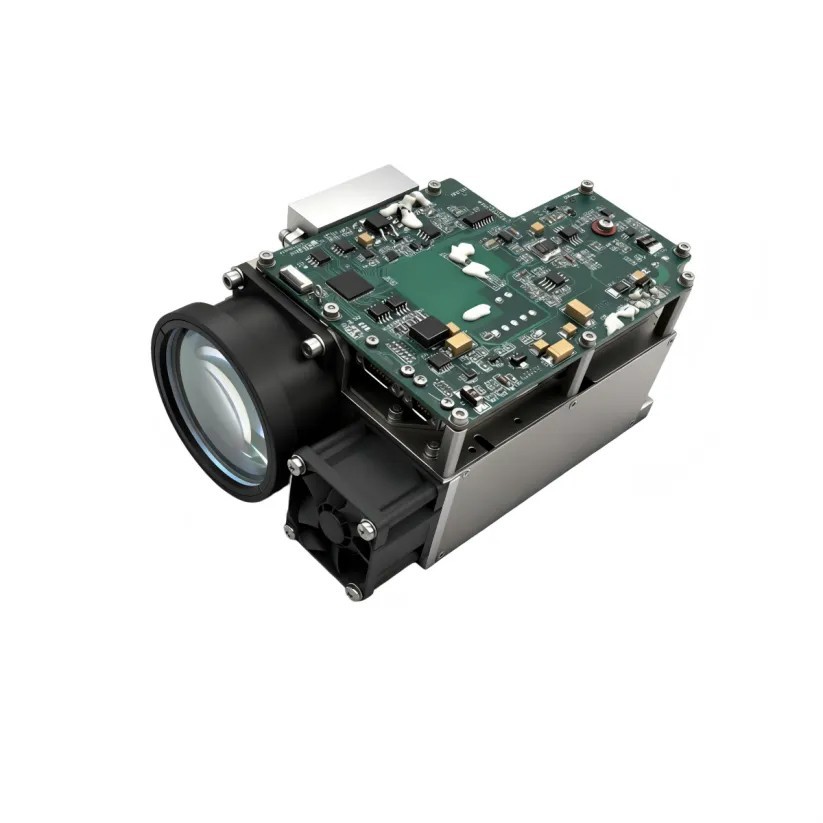
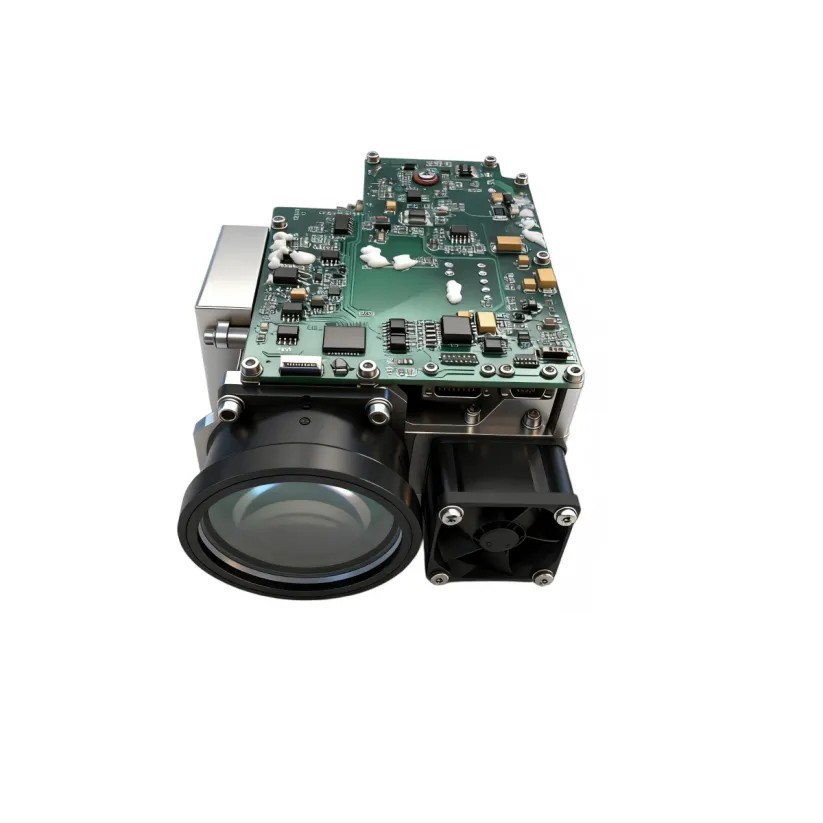
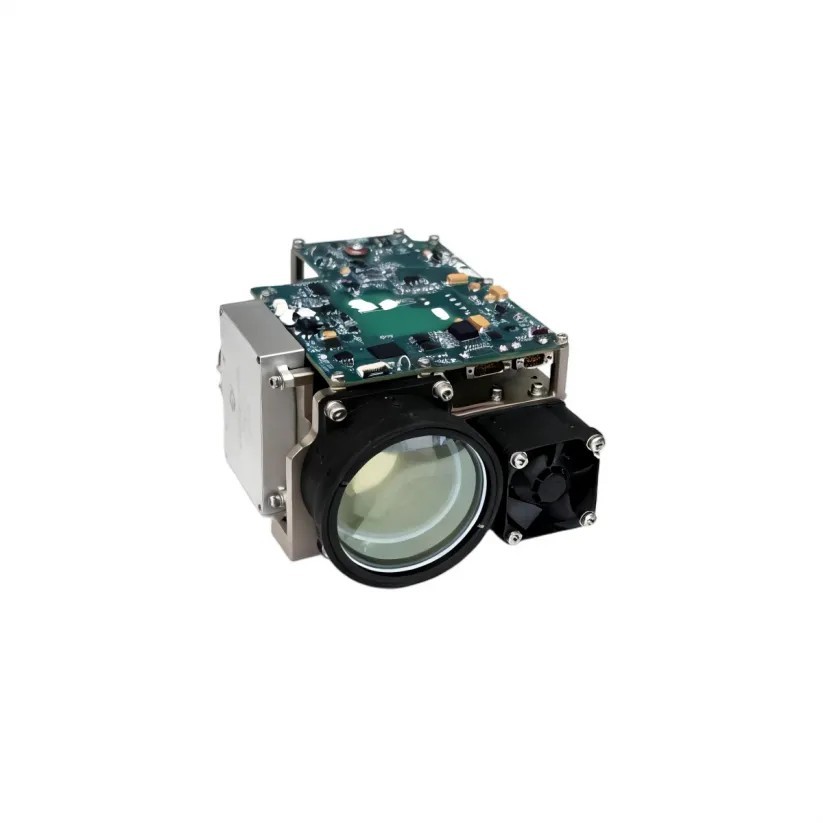
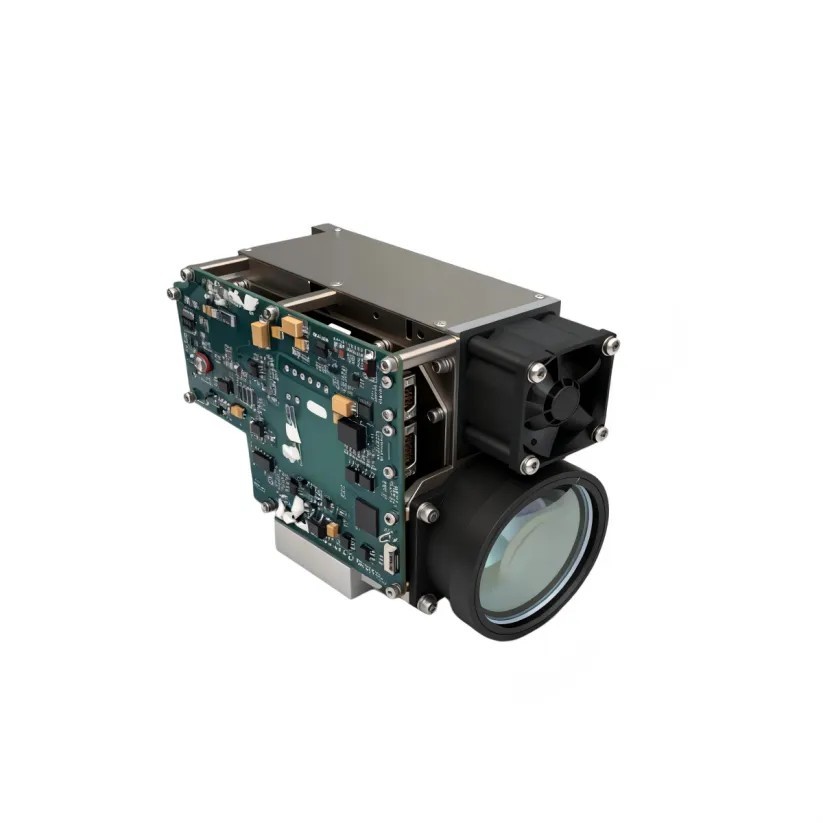
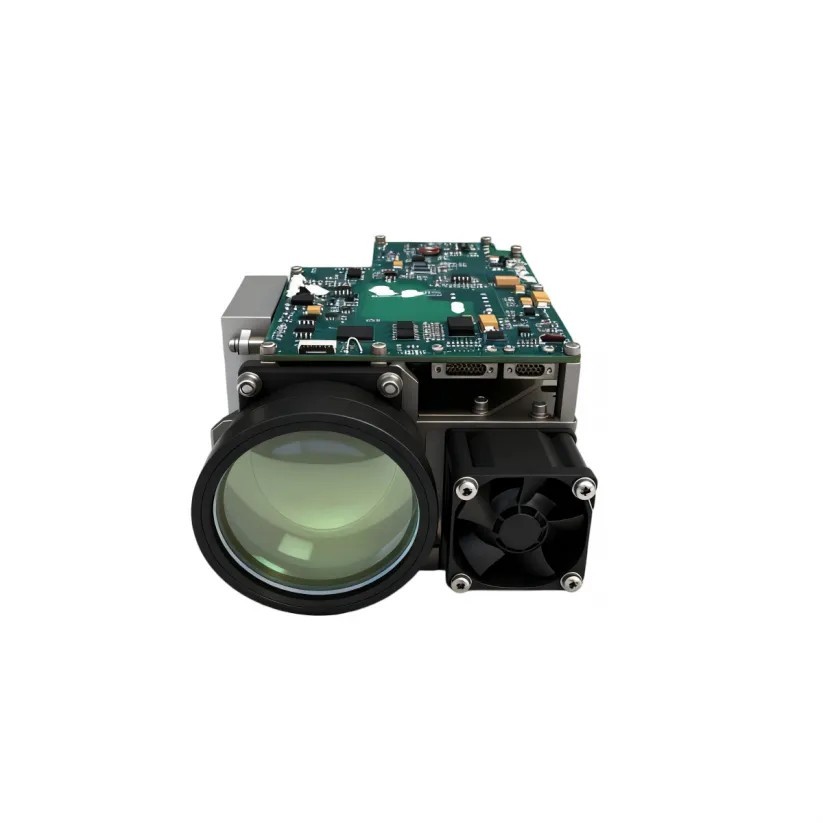
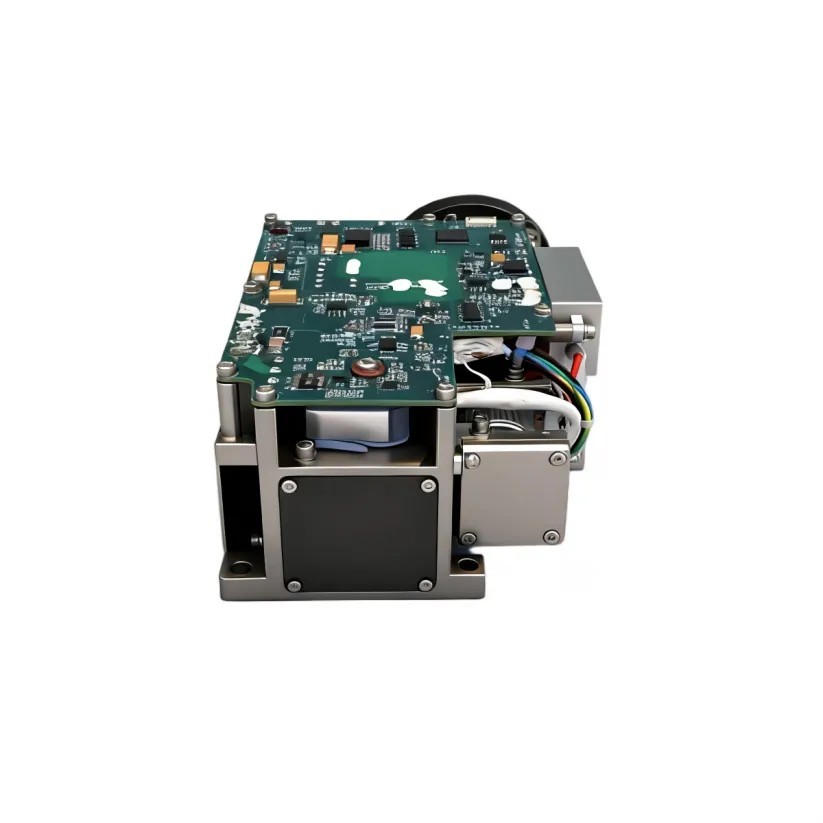
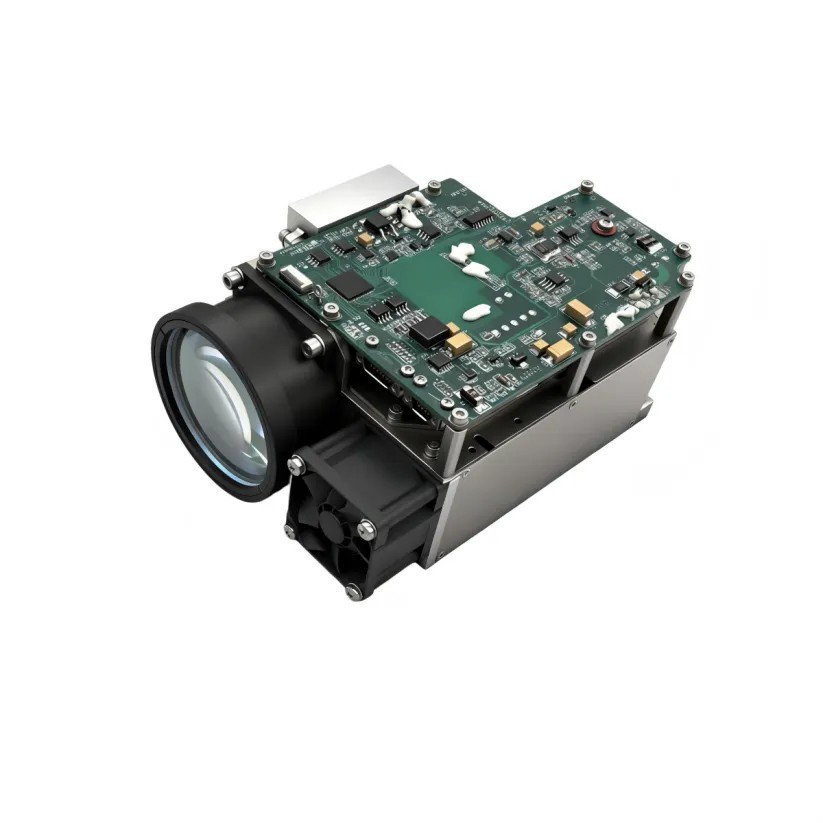
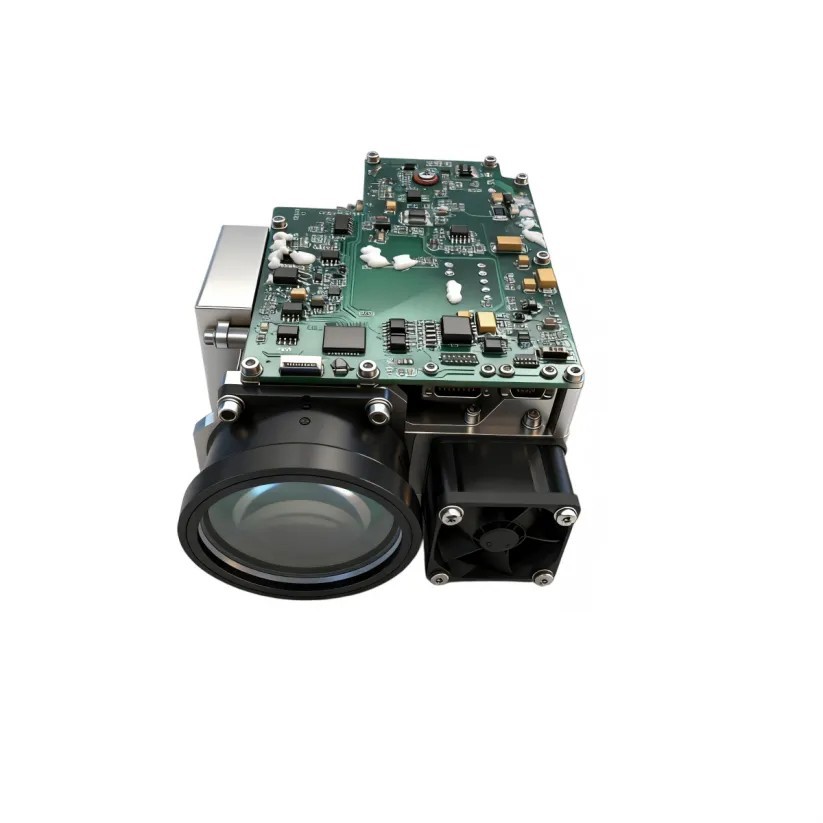
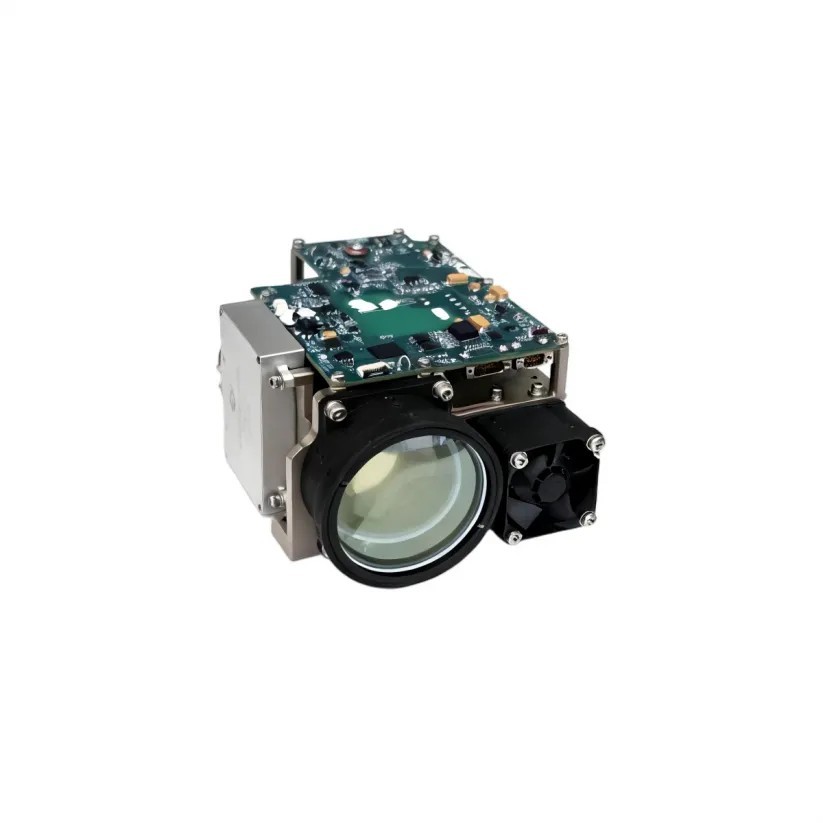
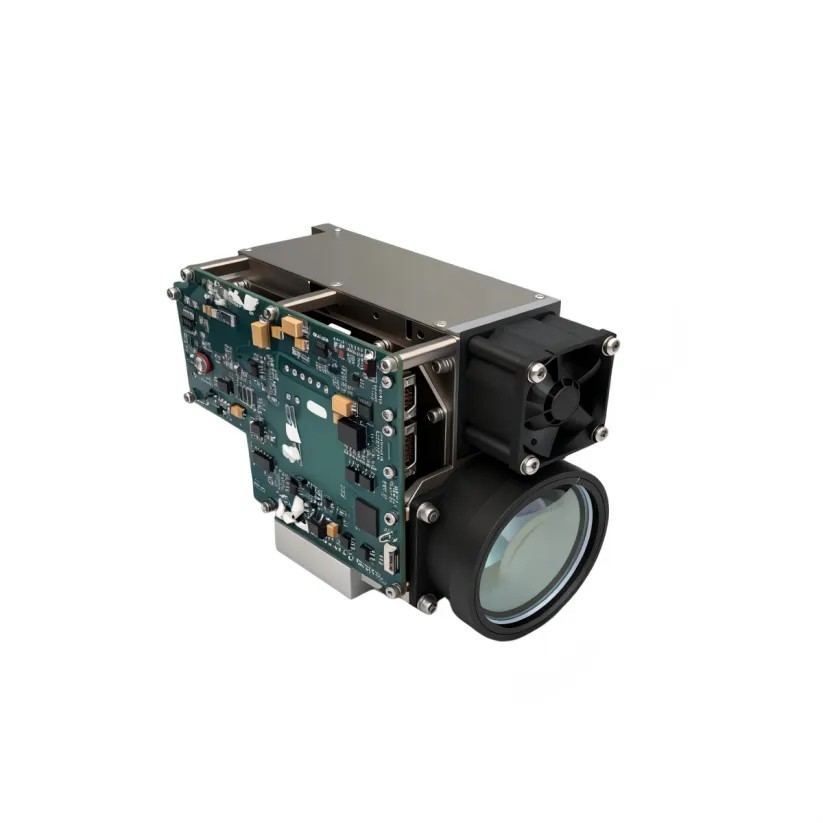
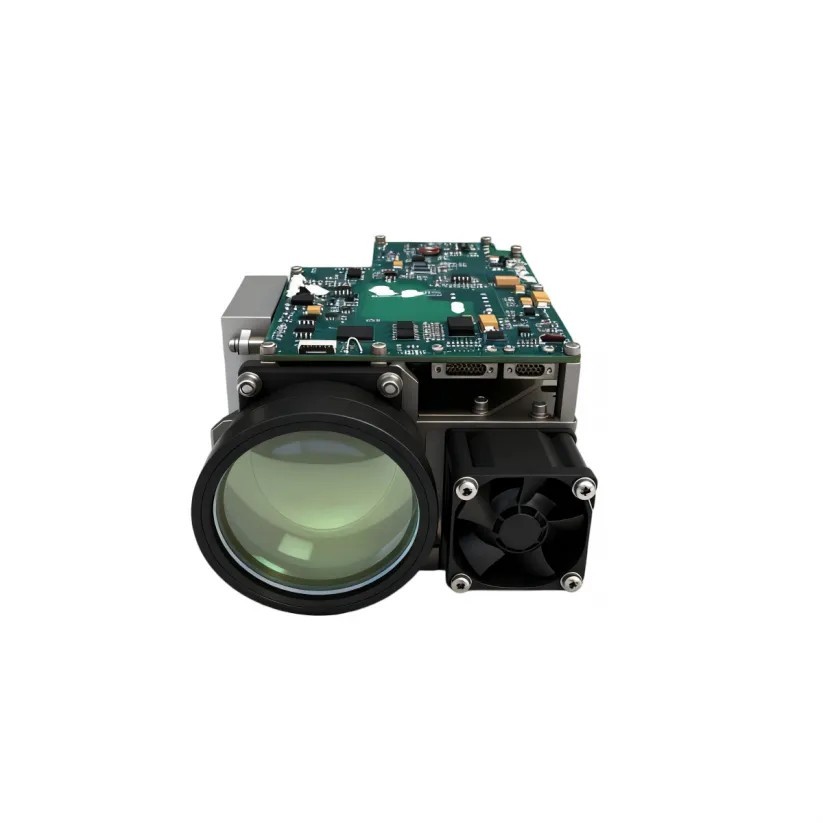
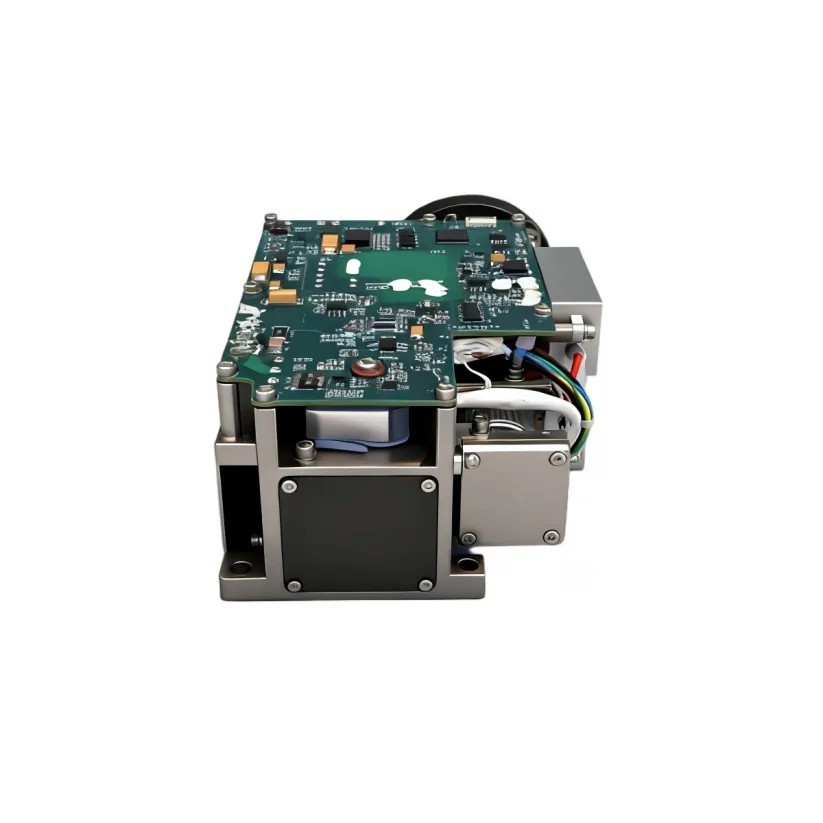
ERDI LASER LDR80K2 is a high-energy 1064 nm laser rangefinder and target designator integrating long-range ranging and multi-mode coded laser designation in a compact, ruggedized package.
The system features stable electro-optic Q-switched operation, ultra-low beam divergence, and precise external synchronization, making it suitable for precision guidance, fire-control support, and advanced electro-optical system integration under harsh environmental conditions.
Key Advantage
-
Extended Ranging and Designation Capability
Supports laser designation beyond 10 km and precision ranging up to 15 km with a high probability of valid measurement. -
Superior Beam Quality and Energy Stability
≤0.15 mrad beam divergence and ≤8% RMS energy instability ensure accurate target illumination and consistent laser performance. -
Advanced Coding and Synchronization Flexibility
Multiple laser coding modes with microsecond-level accuracy and precise external synchronization support compatibility with diverse guidance and control systems. -
Compact High-Power Integration Design
High output energy delivered in a lightweight, compact form factor simplifies integration into airborne, vehicle-mounted, and stabilized EO payloads. -
Proven Environmental Robustness
Qualified for extreme temperature, vibration, shock, and damp-heat conditions, ensuring reliable operation in flight and mobile platform environments.
TECHNICAL PARAMETERS
|
Laser Wavelength |
1064nm±1nm |
|
Pump Mode |
Side-pumped semiconductor (diode) pumping |
|
Designation Frequency |
Fixed Frequency: 45 ms – 125 ms (default 20 Hz) |
|
Trigger Mode |
Internal-Synchronization Illumination / External-Synchronization Illumination |
|
Output Energy |
≥80m |
|
Dimensions |
≤150×102×55mm |
|
Weight |
≤850g |
|
Designation Capability |
≥10km |
|
Q-Switch Type |
Electro-optic Q-switch (EO Q-switch) |
|
Pulse Width |
15ns ±5ns |
|
Beam Divergence |
≤0.15mrad |
|
Energy Instability |
≤8%(RMS) |
|
Laser Designation Performance |
Short-duration irradiation mode: The irradiation time for each cycle is 17 seconds, followed by a 30-second interval. The system can perform up to 8 consecutive irradiation cycles. Long-duration irradiation mode: The irradiation time for each cycle is 60 seconds, followed by a 45-second interval. The system can perform up to 4 consecutive irradiation cycles. |
|
Optical Axis Parallelism Error Relative to Mounting Datum |
≤0.5mrad |
|
Ranging Performance |
· Minimum Measuring Distance: ≤ 300 m · Maximum Measuring Distance: ≥ 15 km · Ranging Frequency: 1–20 Hz (up to 3 simultaneous targets) · Ranging Accuracy: ≤ 5 m · Probability of Valid Ranging: ≥ 98% · Continuous Ranging Operating Time: 90 s |
|
Communication Serial Interface |
RS422 |
|
External Synchronization Interface |
+5 V differential line driver/receiver, RS-422 interface (delay from external synchronization signal to laser emission: 304.0 μs ± 0.1 μs). |
|
Laser Coding Mode |
l Precise Frequency Coding l Time Coding l Pseudo-Random Coding |
|
Period Accuracy |
<+-1us |
|
Power Supply |
DC 20V ~ 28V |
|
Power Consumption |
During operation, the average power consumption is not more than 55W, and the peak power consumption is not more than 100W. |
|
Low-Temperature Test |
Operating temperature: −40 °C |
|
High-Temperature Test |
Operating temperature: +60 °C |
|
Damp-Heat Test |
Relative humidity: 95% ± 3% |
|
Shock Test |
Waveform: Half-sine pulse Vertical axis: ≥ 10 g Shock waveform: post-peak sawtooth, duration 11 ms, applied along the X, Y, and Z axes, in both directions on each axis, three shocks per direction, for a total of 18 shocks. Test condition: Post-test requirement: |
|
Vibration |
The equipment shall withstand flight vibration and the shocks occurring during takeoff and landing, and all components shall meet the environmental conditions of vehicle transportation. The vibration profile is a swept-frequency spectrum: l From 5 Hz to 16 Hz, constant-displacement sinusoidal vibration with an amplitude of 1.5 mm; l From 16 Hz to 60 Hz, constant-acceleration sinusoidal vibration with an acceleration level of 1.5 g. Each of the three axes shall be vibrated for 36 minutes. Test condition: Post-test requirement: |
DIMENSION(mm)
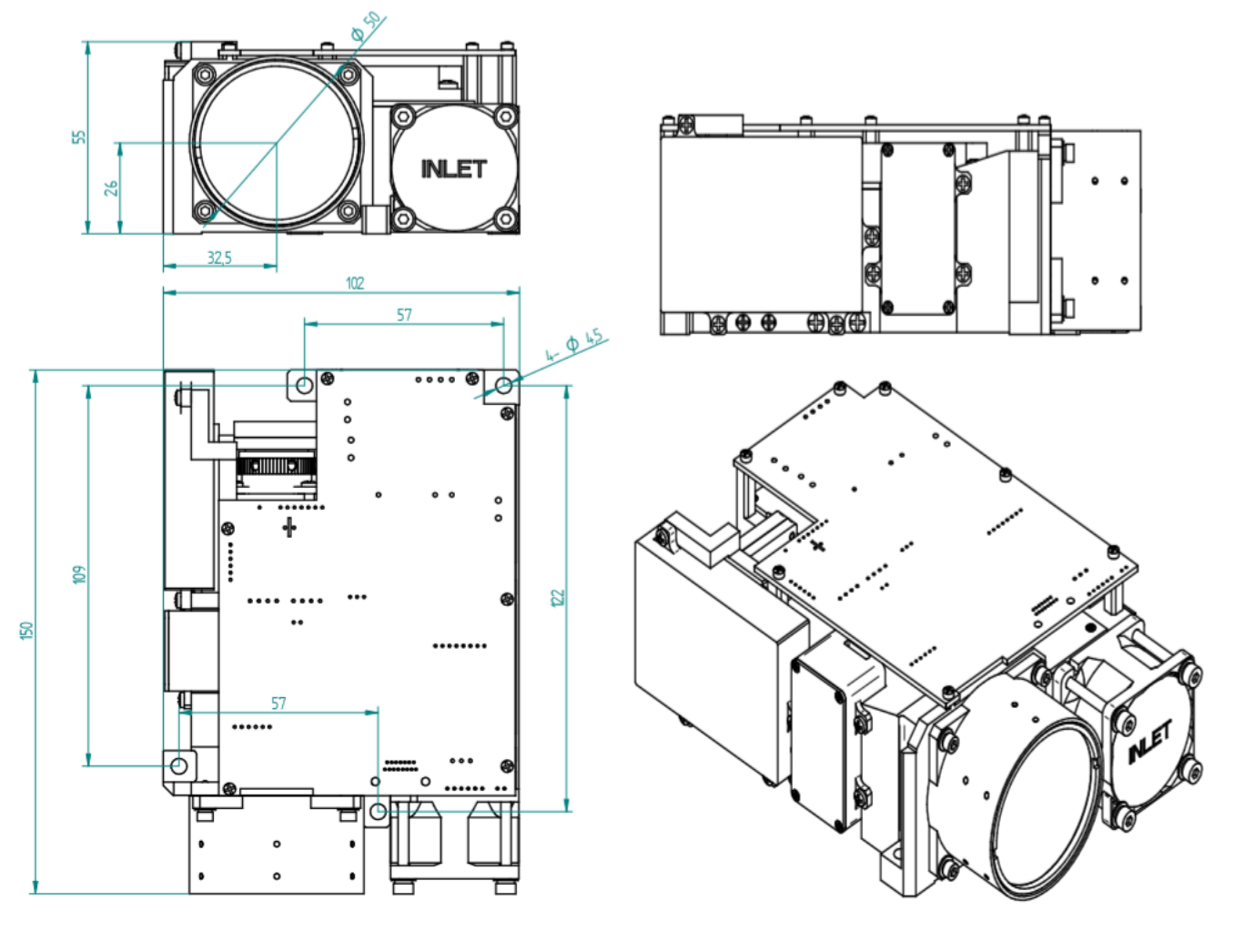
INTERFACE
Table 1 J30J-21ZKP Interface Definitions
| J30J-21ZKP | ||||
| pinout | functionality | clarification | orientations | note |
| 1 | TX+ | RS422 + | exports | RS422 communication interface |
| 2 | TX- | RS422 send - | exports | |
| 3 | RX+ | RS422 Receive + | importation | |
| 4 | RX- | RS422 Receive - | importation | |
| 5 | GND | RS422 Ground | GND | |
| 6 | EN+ | power supply enable (computing) | 24V power supply enable switch | |
| 7 | EN- | power supply enable (computing) | ||
| 8-13 | unoccupied | |||
| 14 | A | External Synchronous Differential+ (A) | importation | A, B are the A and B outputs of the differential chip (RS422 chip) |
| 15 | B | External Synchronous Differential - (B) | importation | |
| 16 | LED+ | DC5V | importation | Indicator light power supply |
| 17 | LED- | GND | importation | |
| 18-21 | ||||
able 2 J30J-04ZK Interface Definitions
| J30J-04ZK | ||||
| Pinout | functionality | clarification | orientations | note |
| A, B | 24V | Power supply | importation | bonus |
| C, D | GND | electric place | importation | (loanword) hack (computing) |
2. Power supply interface: +24VDC±10%.
3. External trigger: RS422 differential signaling.
4. Cooling Mode: The cooling fan is located on the front of the unit.
Information Download
-
PRODUCT DESCRIPTON
-
TECHNICAL PARAMETERS
-
DIMENSION(mm)
-
INTERFACE
-
Information Download
ERDI LASER LDR80K2 is a high-energy 1064 nm laser rangefinder and target designator integrating long-range ranging and multi-mode coded laser designation in a compact, ruggedized package.
The system features stable electro-optic Q-switched operation, ultra-low beam divergence, and precise external synchronization, making it suitable for precision guidance, fire-control support, and advanced electro-optical system integration under harsh environmental conditions.
Key Advantage
-
Extended Ranging and Designation Capability
Supports laser designation beyond 10 km and precision ranging up to 15 km with a high probability of valid measurement. -
Superior Beam Quality and Energy Stability
≤0.15 mrad beam divergence and ≤8% RMS energy instability ensure accurate target illumination and consistent laser performance. -
Advanced Coding and Synchronization Flexibility
Multiple laser coding modes with microsecond-level accuracy and precise external synchronization support compatibility with diverse guidance and control systems. -
Compact High-Power Integration Design
High output energy delivered in a lightweight, compact form factor simplifies integration into airborne, vehicle-mounted, and stabilized EO payloads. -
Proven Environmental Robustness
Qualified for extreme temperature, vibration, shock, and damp-heat conditions, ensuring reliable operation in flight and mobile platform environments.
|
Laser Wavelength |
1064nm±1nm |
|
Pump Mode |
Side-pumped semiconductor (diode) pumping |
|
Designation Frequency |
Fixed Frequency: 45 ms – 125 ms (default 20 Hz) |
|
Trigger Mode |
Internal-Synchronization Illumination / External-Synchronization Illumination |
|
Output Energy |
≥80m |
|
Dimensions |
≤150×102×55mm |
|
Weight |
≤850g |
|
Designation Capability |
≥10km |
|
Q-Switch Type |
Electro-optic Q-switch (EO Q-switch) |
|
Pulse Width |
15ns ±5ns |
|
Beam Divergence |
≤0.15mrad |
|
Energy Instability |
≤8%(RMS) |
|
Laser Designation Performance |
Short-duration irradiation mode: The irradiation time for each cycle is 17 seconds, followed by a 30-second interval. The system can perform up to 8 consecutive irradiation cycles. Long-duration irradiation mode: The irradiation time for each cycle is 60 seconds, followed by a 45-second interval. The system can perform up to 4 consecutive irradiation cycles. |
|
Optical Axis Parallelism Error Relative to Mounting Datum |
≤0.5mrad |
|
Ranging Performance |
· Minimum Measuring Distance: ≤ 300 m · Maximum Measuring Distance: ≥ 15 km · Ranging Frequency: 1–20 Hz (up to 3 simultaneous targets) · Ranging Accuracy: ≤ 5 m · Probability of Valid Ranging: ≥ 98% · Continuous Ranging Operating Time: 90 s |
|
Communication Serial Interface |
RS422 |
|
External Synchronization Interface |
+5 V differential line driver/receiver, RS-422 interface (delay from external synchronization signal to laser emission: 304.0 μs ± 0.1 μs). |
|
Laser Coding Mode |
l Precise Frequency Coding l Time Coding l Pseudo-Random Coding |
|
Period Accuracy |
<+-1us |
|
Power Supply |
DC 20V ~ 28V |
|
Power Consumption |
During operation, the average power consumption is not more than 55W, and the peak power consumption is not more than 100W. |
|
Low-Temperature Test |
Operating temperature: −40 °C |
|
High-Temperature Test |
Operating temperature: +60 °C |
|
Damp-Heat Test |
Relative humidity: 95% ± 3% |
|
Shock Test |
Waveform: Half-sine pulse Vertical axis: ≥ 10 g Shock waveform: post-peak sawtooth, duration 11 ms, applied along the X, Y, and Z axes, in both directions on each axis, three shocks per direction, for a total of 18 shocks. Test condition: Post-test requirement: |
|
Vibration |
The equipment shall withstand flight vibration and the shocks occurring during takeoff and landing, and all components shall meet the environmental conditions of vehicle transportation. The vibration profile is a swept-frequency spectrum: l From 5 Hz to 16 Hz, constant-displacement sinusoidal vibration with an amplitude of 1.5 mm; l From 16 Hz to 60 Hz, constant-acceleration sinusoidal vibration with an acceleration level of 1.5 g. Each of the three axes shall be vibrated for 36 minutes. Test condition: Post-test requirement: |
Table 1 J30J-21ZKP Interface Definitions
| J30J-21ZKP | ||||
| pinout | functionality | clarification | orientations | note |
| 1 | TX+ | RS422 + | exports | RS422 communication interface |
| 2 | TX- | RS422 send - | exports | |
| 3 | RX+ | RS422 Receive + | importation | |
| 4 | RX- | RS422 Receive - | importation | |
| 5 | GND | RS422 Ground | GND | |
| 6 | EN+ | power supply enable (computing) | 24V power supply enable switch | |
| 7 | EN- | power supply enable (computing) | ||
| 8-13 | unoccupied | |||
| 14 | A | External Synchronous Differential+ (A) | importation | A, B are the A and B outputs of the differential chip (RS422 chip) |
| 15 | B | External Synchronous Differential - (B) | importation | |
| 16 | LED+ | DC5V | importation | Indicator light power supply |
| 17 | LED- | GND | importation | |
| 18-21 | ||||
able 2 J30J-04ZK Interface Definitions
| J30J-04ZK | ||||
| Pinout | functionality | clarification | orientations | note |
| A, B | 24V | Power supply | importation | bonus |
| C, D | GND | electric place | importation | (loanword) hack (computing) |
2. Power supply interface: +24VDC±10%.
3. External trigger: RS422 differential signaling.
4. Cooling Mode: The cooling fan is located on the front of the unit.