
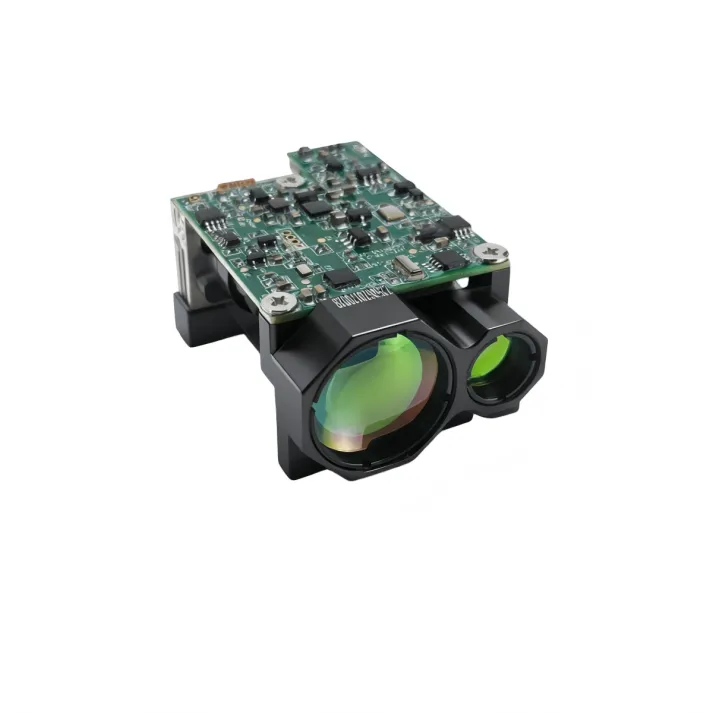
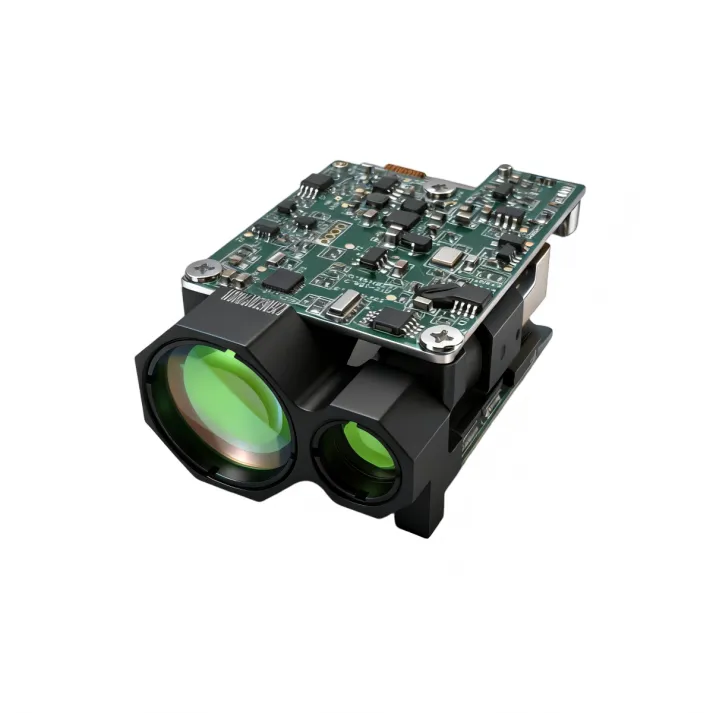
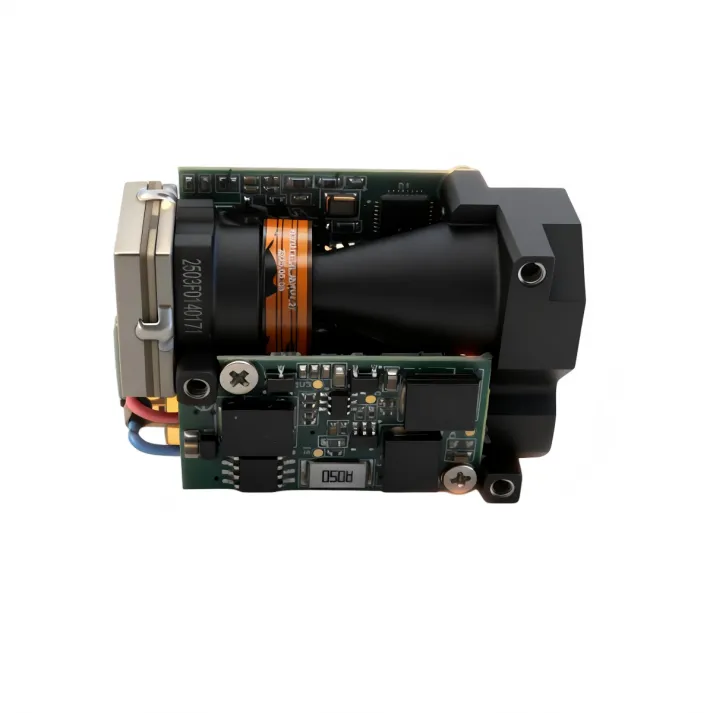
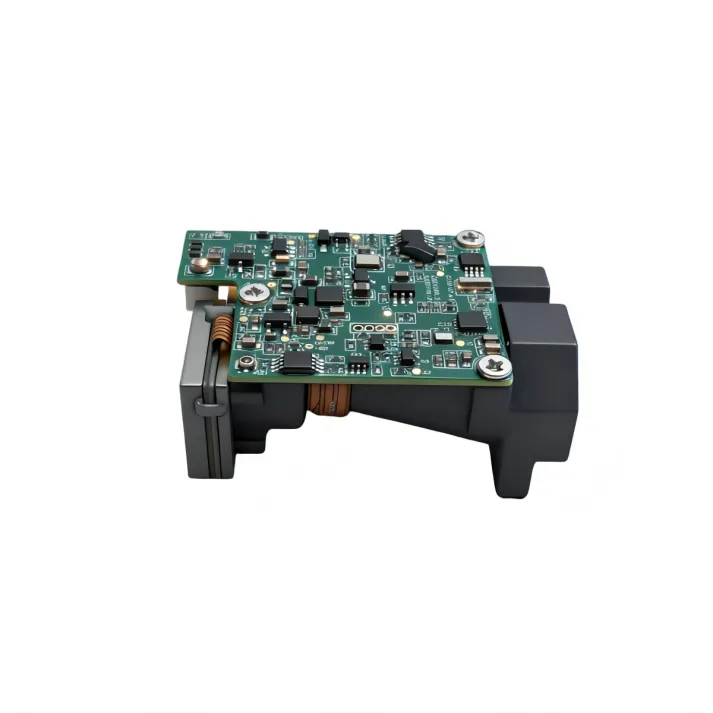
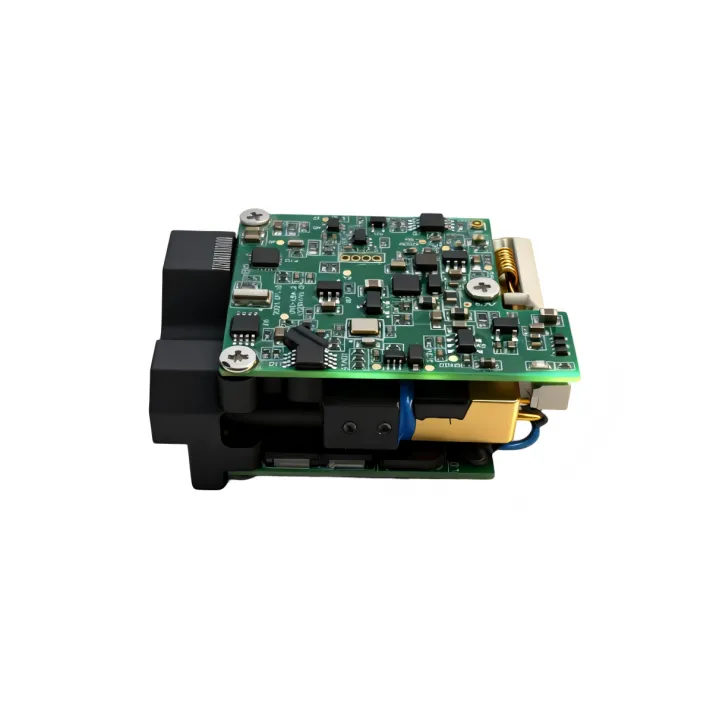
1535nm Single-pulse Laser Rangefinder Module - 3KM
MOQ
After-Sales Support
Choose ERDI modules with confidence.
OEM/ODM Capabilities
Support Global Delivery
30-day TrialTake


PRODUCT DESCRIPTON
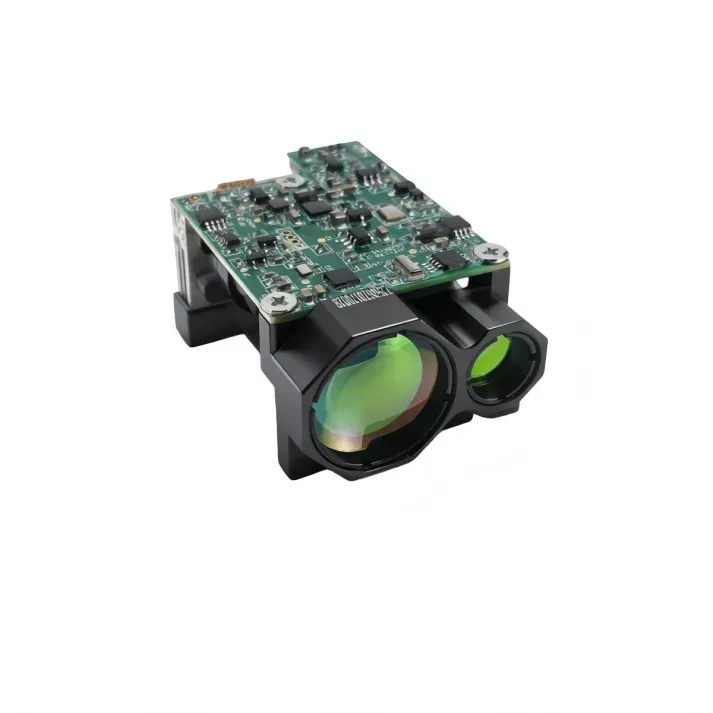
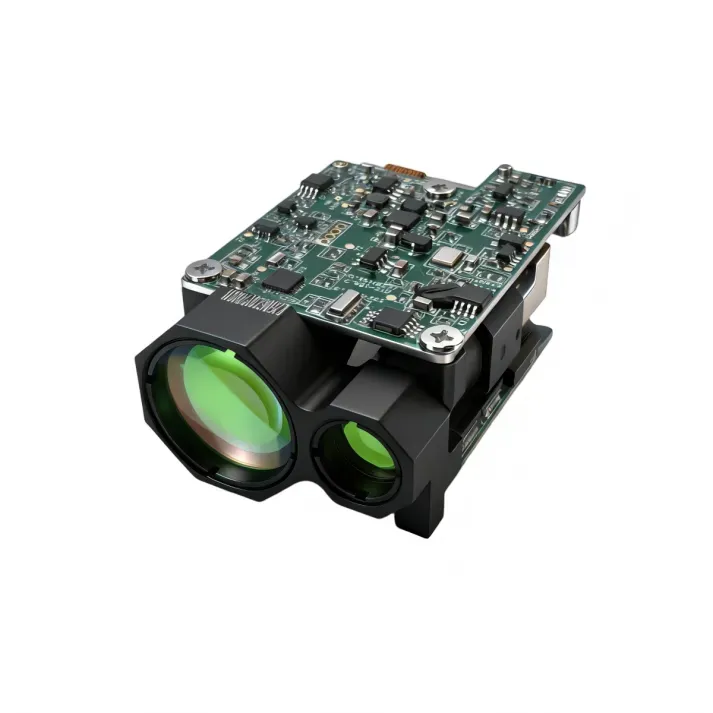
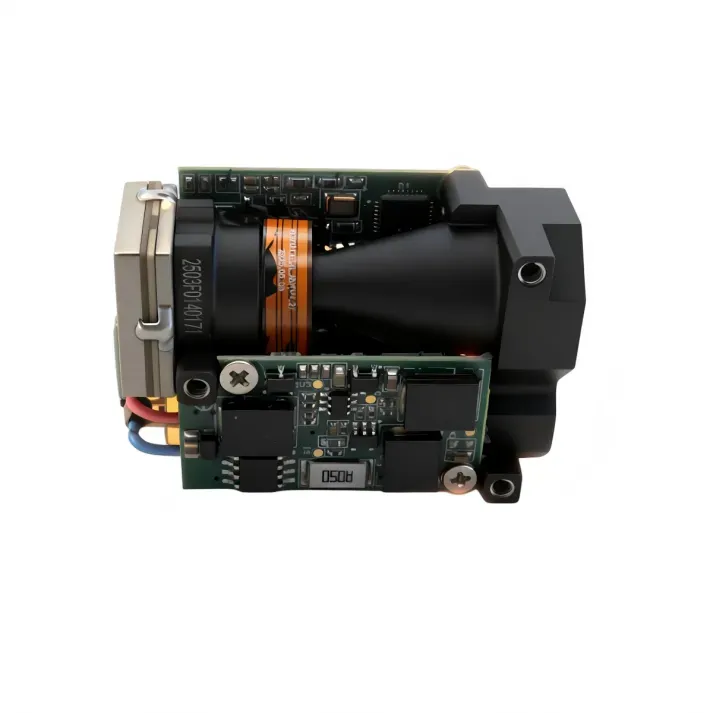
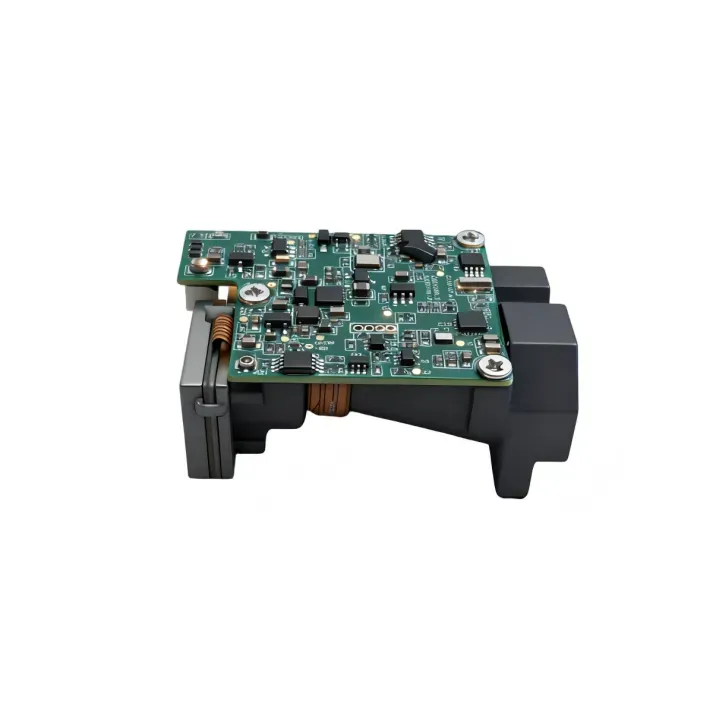
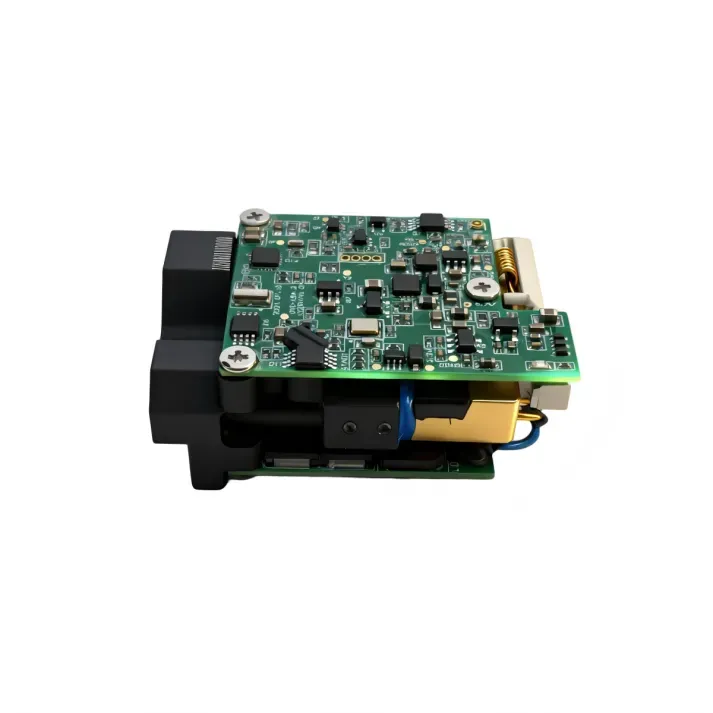
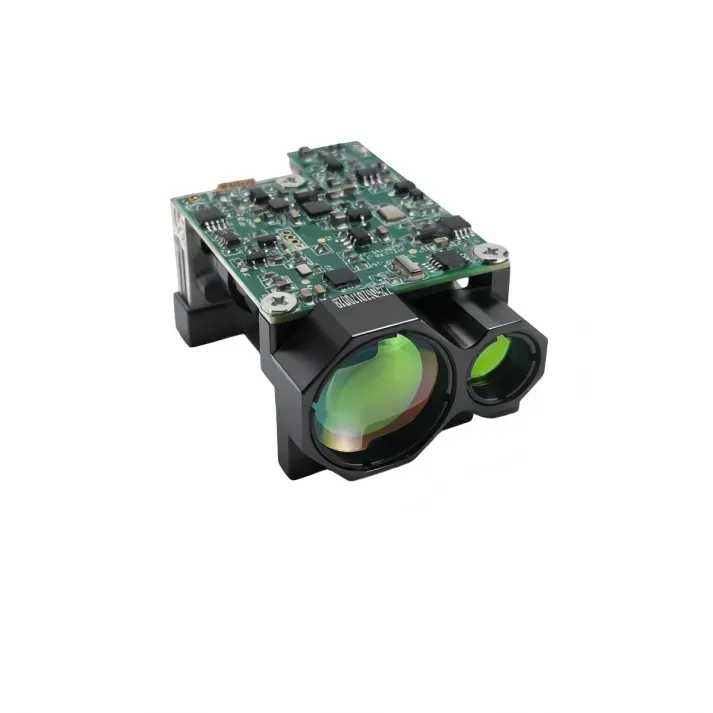
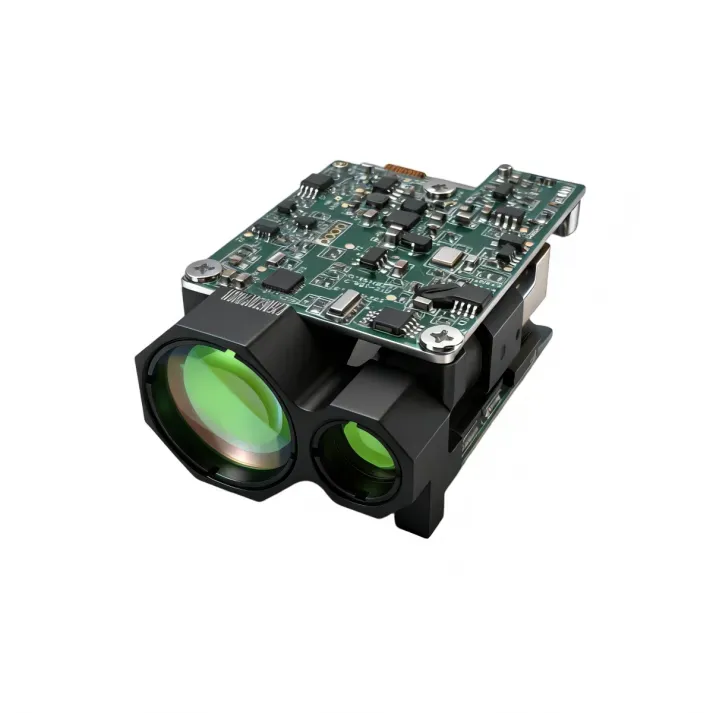
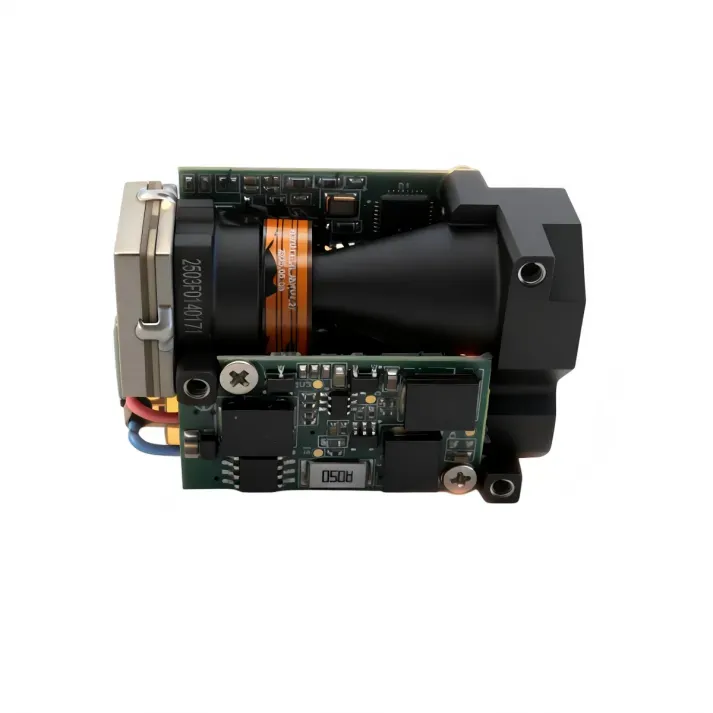
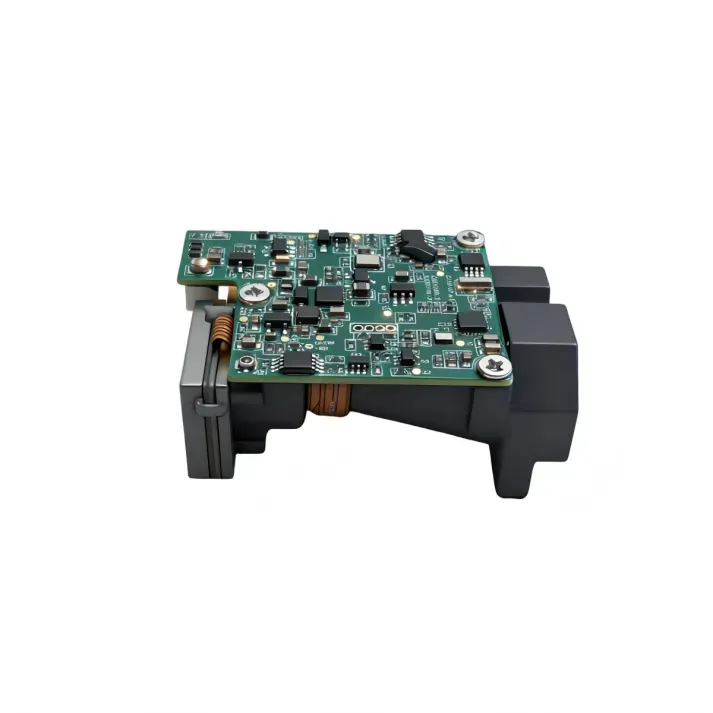
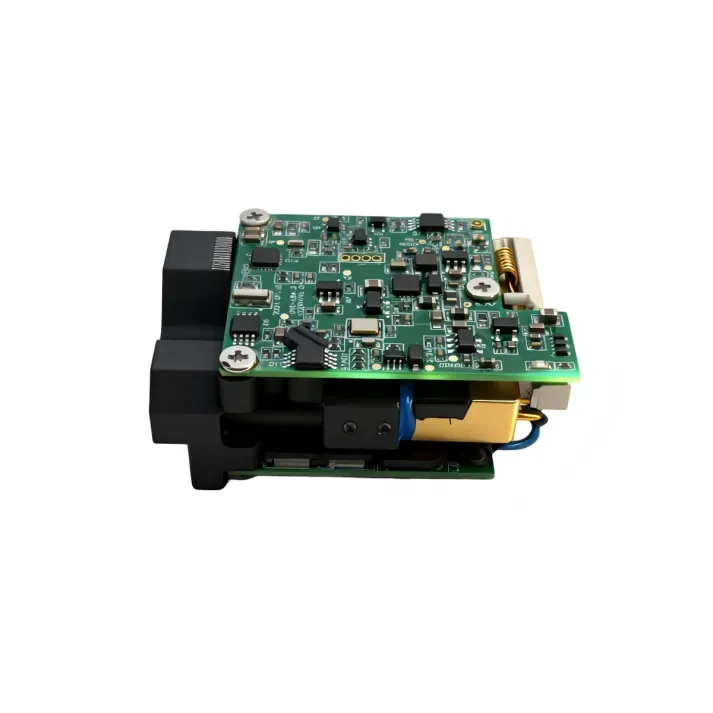
ERDI LASER® LRF0310C is a laser rangefinder module developed by ERDI based on a 100 μJ erbium-glass laser. It uses single-pulse ranging technology and achieves a maximum detection range of ≥3000 m on NATO standard targets (2.3 m × 2.3 m).
Key Advantages
• Compact and lightweight for seamless integration into size-constrained systems.
• High-precision ranging with ±1 m accuracy, ≥98% precision rate, and ≤1% false alarms.
• Rugged MIL-STD-810G shock and vibration performance for harsh environments.
• Flexible operation with 1–10 Hz ranging and multi-target capability.
TECHNICAL PARAMETERS
|
Project |
Performance Indicators |
|
Model |
LRF0310C |
|
Laser Wavelength |
1535±5nm |
|
Eye- safety |
Class Ⅰ |
|
Divergence Angle |
≤0.6 mrad |
|
Laser Energy |
≥100 μJ |
|
Launch Lens Diameter |
Φ8 mm |
|
Receiver Lens Diameter |
Φ16 mm |
|
Measuring Range (Reflectance 30%; visibility ≥ 5km.) |
NATO's Goals (2.3m×2.3m) ≥3000m(2.3m × 4.6m target board or vehicle, relative humidity ≤ 60%, visibility ≥ 8km) |
|
Minimum Range |
≤15 m |
|
Ranging Frequency |
Single, 1Hz ~10Hz |
|
Number of multi-target detections |
Up to 3 targets |
|
Ranging Accuracy |
±1 m |
|
Range Resolution |
≤0.1 m |
|
Precision Rate |
≥98% |
|
False Alarm Rate |
≤1% |
|
Supply Voltage |
4.5V~16V |
|
Standby power consumption |
≤ 0.6W |
|
Average power consumption |
≤1.5W@1Hz |
|
Peak Power Consumption |
≤7W@12V |
|
Weight |
≤32±1 g |
|
Dimension (L×W×H) |
48mm×30.5mm×21mm |
|
Operating Temperature |
-40~+70 ℃ |
|
Storage Temperature |
-55~+75 ℃ |
|
Impact Resistance |
Meet the MIL-STD-810G testing standard |
|
Vibration Resistance |
Meet the MIL-STD-810G testing standard |
DIMENSION(mm)
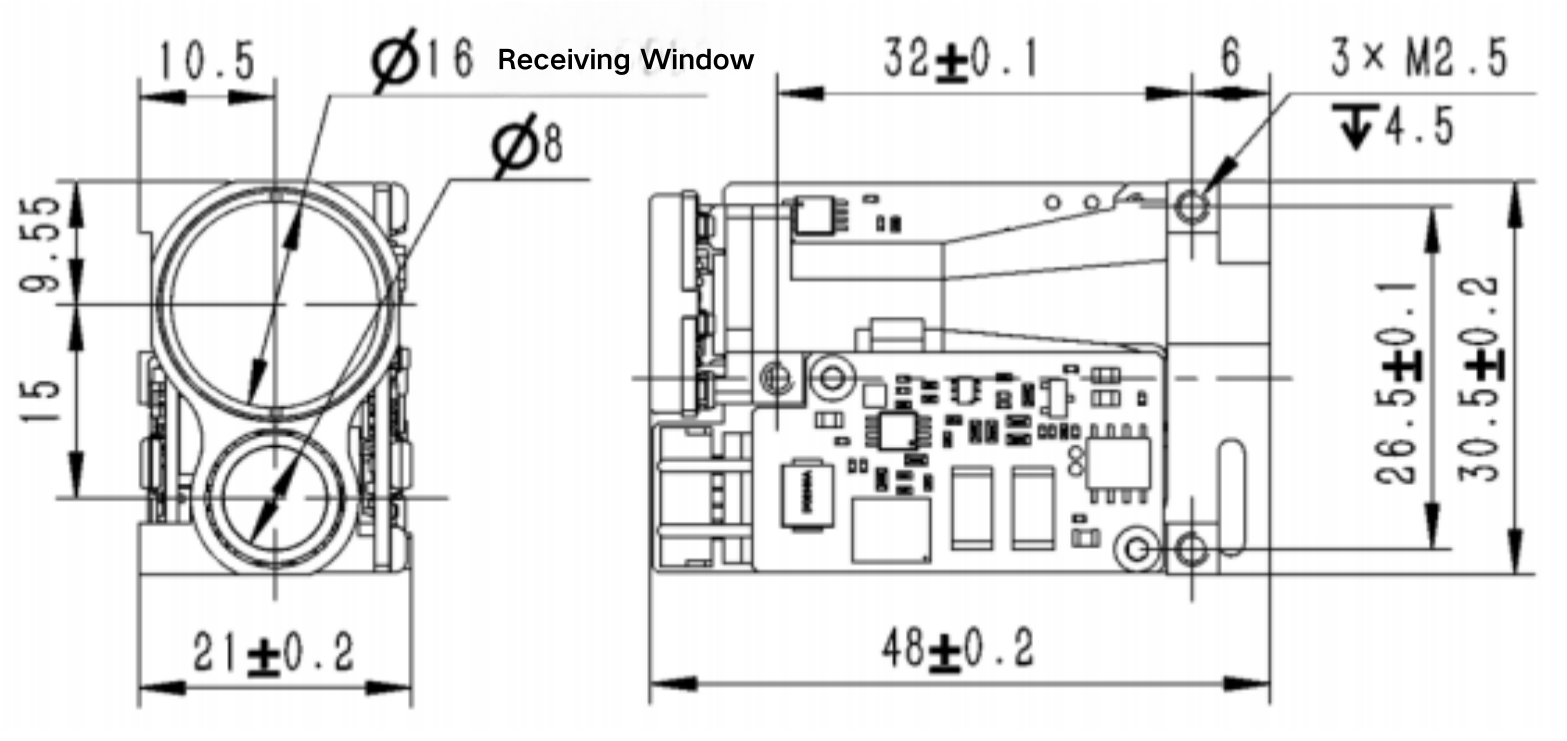
Figure 2 Mechanical and Optical Interface Diagram
The position of the center of mass is shown in Figure 3.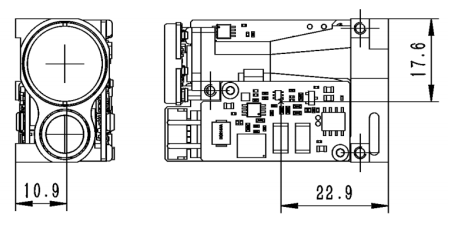
Figure 3 Schematic Diagram of the Center of Mass Position
INTERFACE
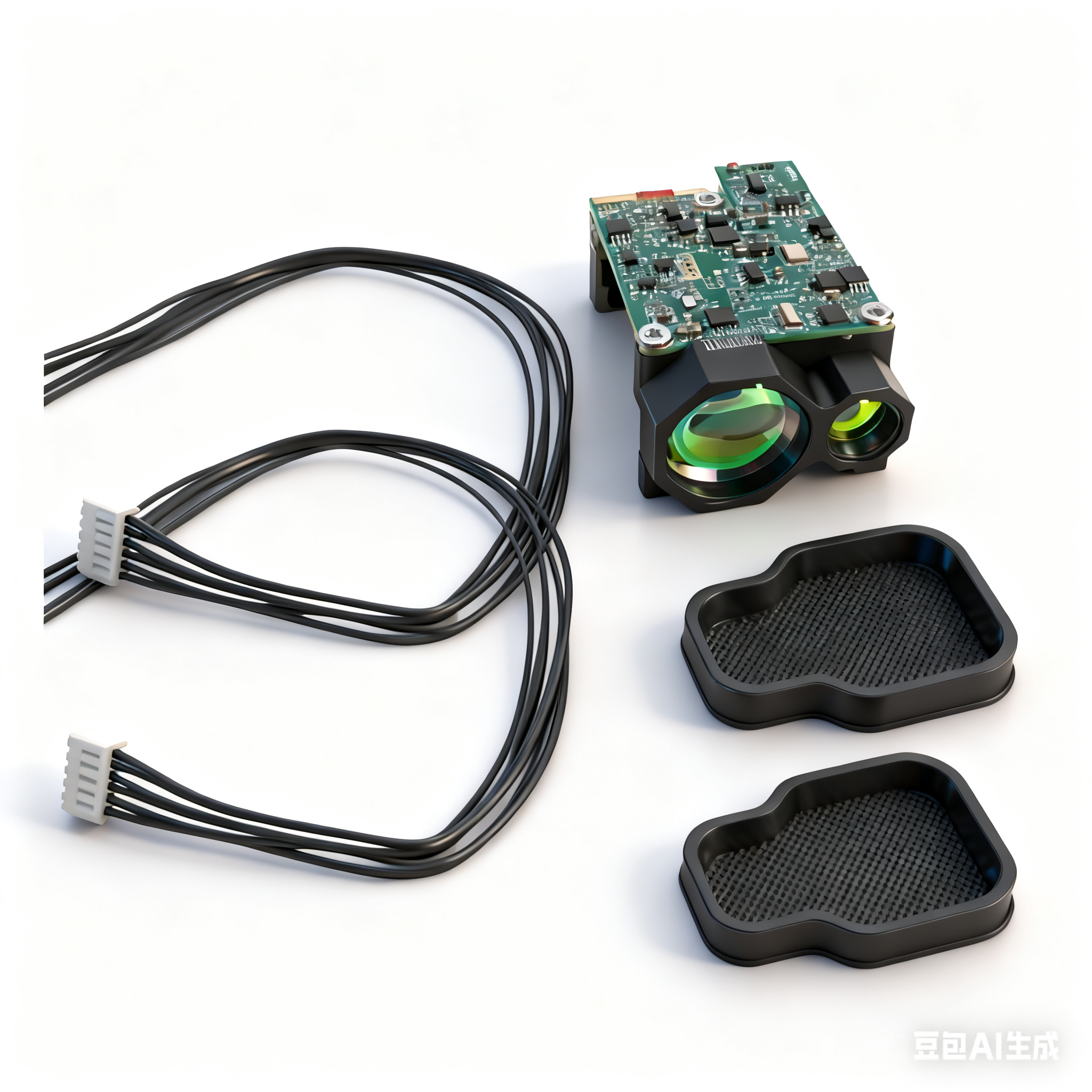
Interface definition: The host computer communicates and tests with the rangefinder through a 6PIN connector. The pin definitions of the power supply and communication ports on the rangefinder side are shown in Table 2.
Table 2 Pin Definitions of Power Supply and Communication Ports on the Rangefinder Side
|
Pin |
Definition |
Description |
Cable color |
|
P-1 |
VIN+ |
Power supply, 4.5–16V |
|
|
P-2 |
VIN- |
Power supply, ground |
|
|
P-3 |
POWER_ON |
Module power switch, TTL_3.3V level; |
|
|
P-4 |
UART_TX |
Module on (>2.7V), module off (<0.3V) |
|
|
P-5 |
UART_RX |
Serial port transmitting end, TTL_3.3V level |
|
|
P-6 |
GND |
Serial port receiving end, TTL_3.3V level |
Information Download
-
PRODUCT DESCRIPTON
-
TECHNICAL PARAMETERS
-
DIMENSION(mm)
-
INTERFACE
-
Information Download
ERDI LASER® LRF0310C is a laser rangefinder module developed by ERDI based on a 100 μJ erbium-glass laser. It uses single-pulse ranging technology and achieves a maximum detection range of ≥3000 m on NATO standard targets (2.3 m × 2.3 m).
Key Advantages
• Compact and lightweight for seamless integration into size-constrained systems.
• High-precision ranging with ±1 m accuracy, ≥98% precision rate, and ≤1% false alarms.
• Rugged MIL-STD-810G shock and vibration performance for harsh environments.
• Flexible operation with 1–10 Hz ranging and multi-target capability.
|
Project |
Performance Indicators |
|
Model |
LRF0310C |
|
Laser Wavelength |
1535±5nm |
|
Eye- safety |
Class Ⅰ |
|
Divergence Angle |
≤0.6 mrad |
|
Laser Energy |
≥100 μJ |
|
Launch Lens Diameter |
Φ8 mm |
|
Receiver Lens Diameter |
Φ16 mm |
|
Measuring Range (Reflectance 30%; visibility ≥ 5km.) |
NATO's Goals (2.3m×2.3m) ≥3000m(2.3m × 4.6m target board or vehicle, relative humidity ≤ 60%, visibility ≥ 8km) |
|
Minimum Range |
≤15 m |
|
Ranging Frequency |
Single, 1Hz ~10Hz |
|
Number of multi-target detections |
Up to 3 targets |
|
Ranging Accuracy |
±1 m |
|
Range Resolution |
≤0.1 m |
|
Precision Rate |
≥98% |
|
False Alarm Rate |
≤1% |
|
Supply Voltage |
4.5V~16V |
|
Standby power consumption |
≤ 0.6W |
|
Average power consumption |
≤1.5W@1Hz |
|
Peak Power Consumption |
≤7W@12V |
|
Weight |
≤32±1 g |
|
Dimension (L×W×H) |
48mm×30.5mm×21mm |
|
Operating Temperature |
-40~+70 ℃ |
|
Storage Temperature |
-55~+75 ℃ |
|
Impact Resistance |
Meet the MIL-STD-810G testing standard |
|
Vibration Resistance |
Meet the MIL-STD-810G testing standard |
Figure 2 Mechanical and Optical Interface Diagram
The position of the center of mass is shown in Figure 3.
Figure 3 Schematic Diagram of the Center of Mass Position
Interface definition: The host computer communicates and tests with the rangefinder through a 6PIN connector. The pin definitions of the power supply and communication ports on the rangefinder side are shown in Table 2.
Table 2 Pin Definitions of Power Supply and Communication Ports on the Rangefinder Side
|
Pin |
Definition |
Description |
Cable color |
|
P-1 |
VIN+ |
Power supply, 4.5–16V |
|
|
P-2 |
VIN- |
Power supply, ground |
|
|
P-3 |
POWER_ON |
Module power switch, TTL_3.3V level; |
|
|
P-4 |
UART_TX |
Module on (>2.7V), module off (<0.3V) |
|
|
P-5 |
UART_RX |
Serial port transmitting end, TTL_3.3V level |
|
|
P-6 |
GND |
Serial port receiving end, TTL_3.3V level |