
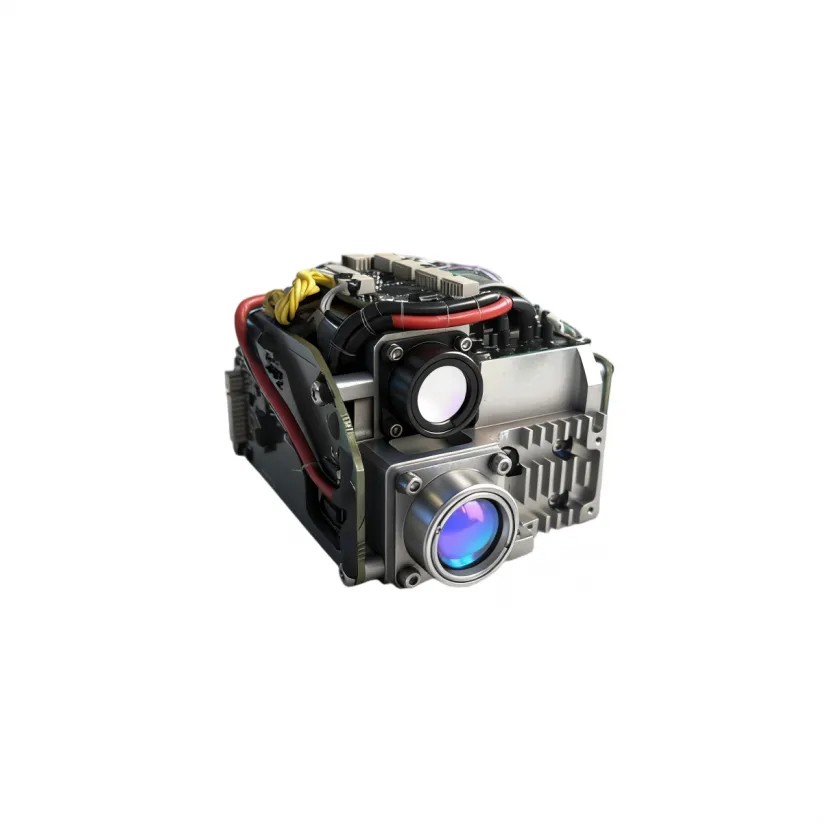
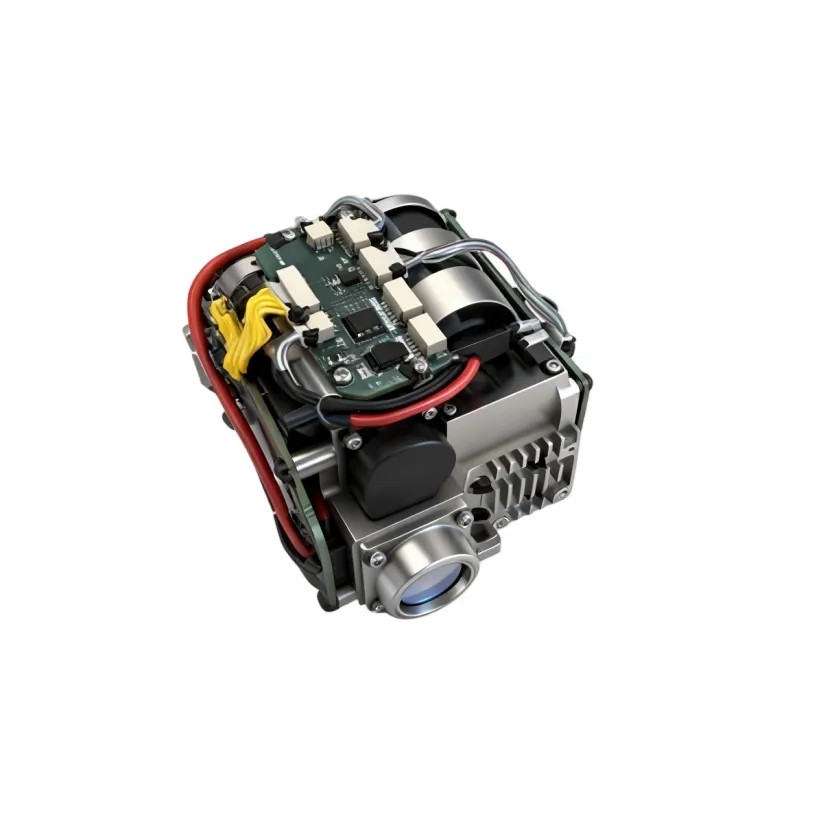
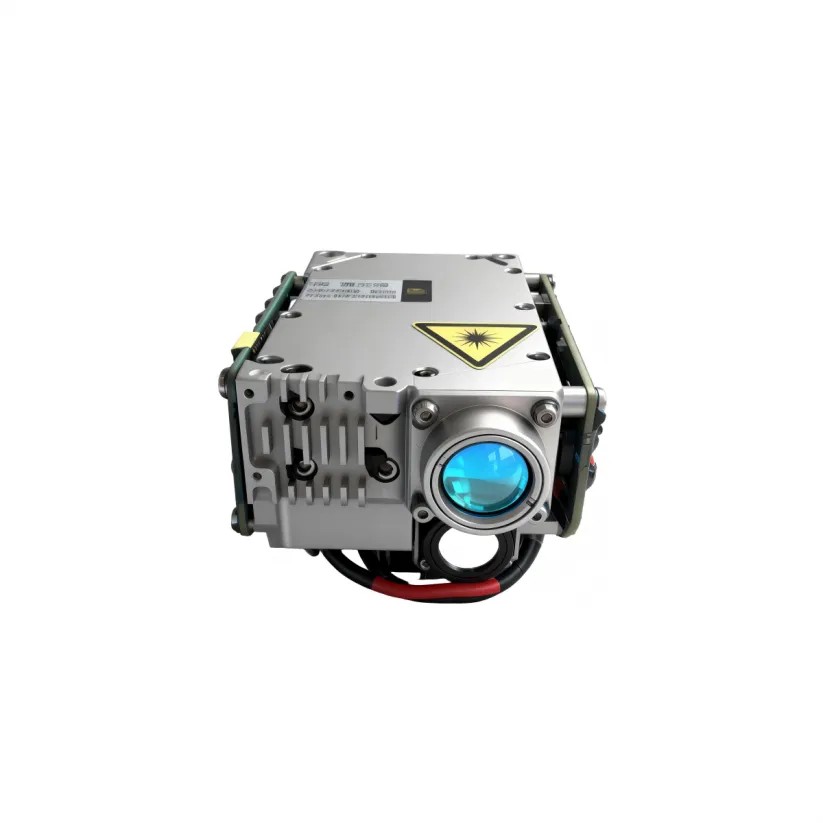
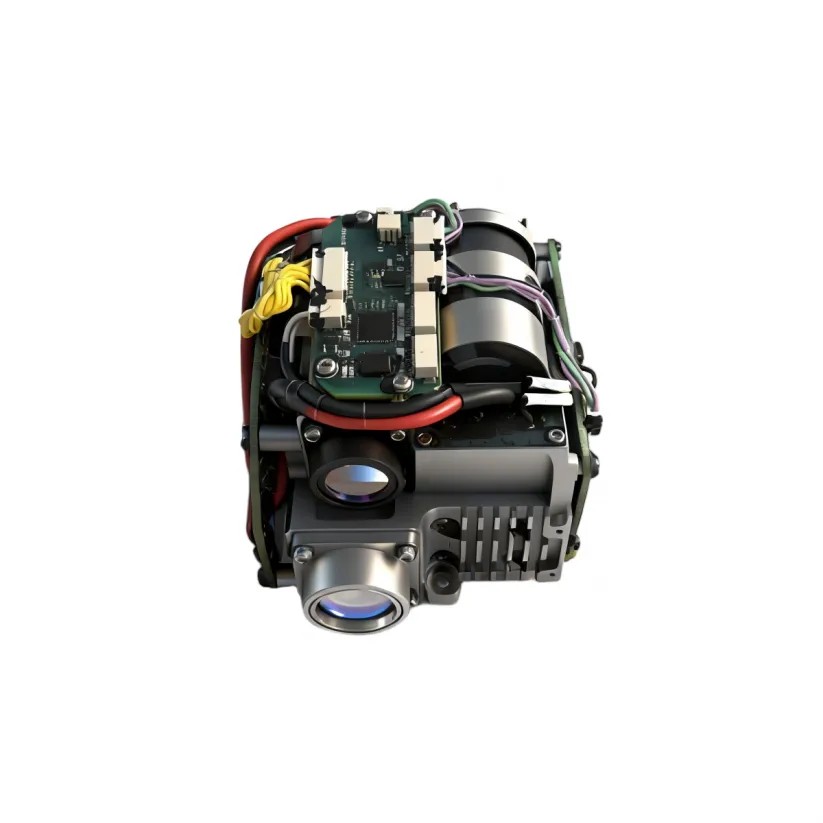
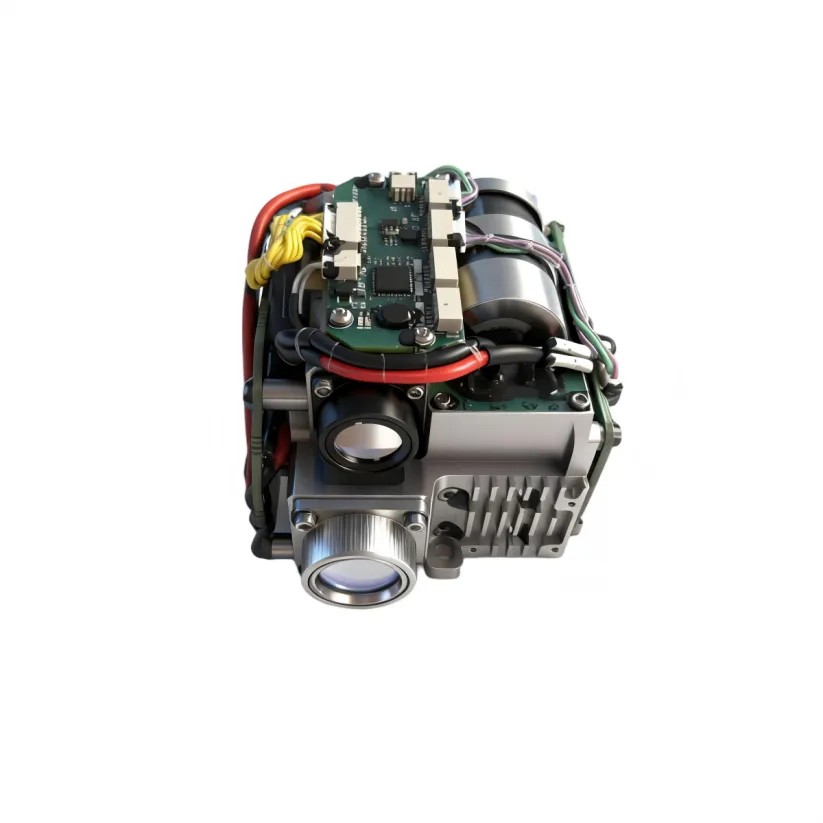
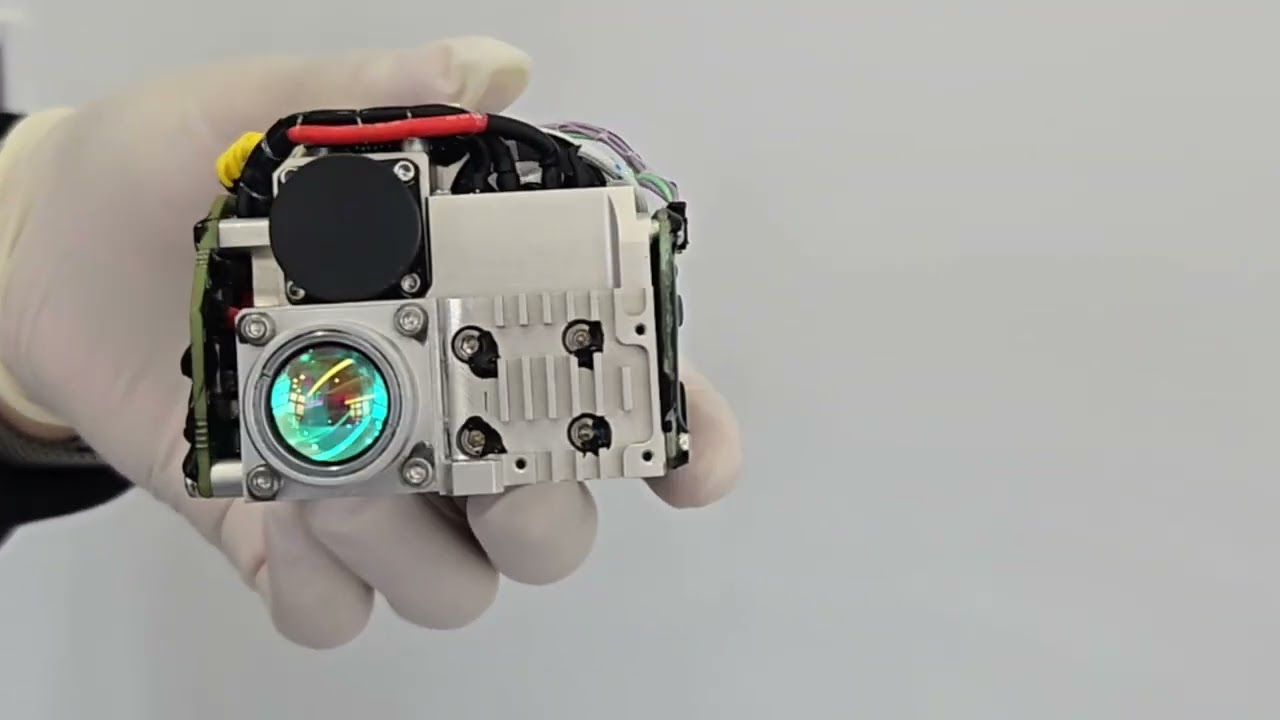
1064nm Laser Rangefinder & Target Designator - 20mJ
MOQ
After-Sales Support
Choose ERDI modules with confidence.
OEM/ODM Capabilities
Support Global Delivery
30-day TrialTake
PRODUCT DESCRIPTON
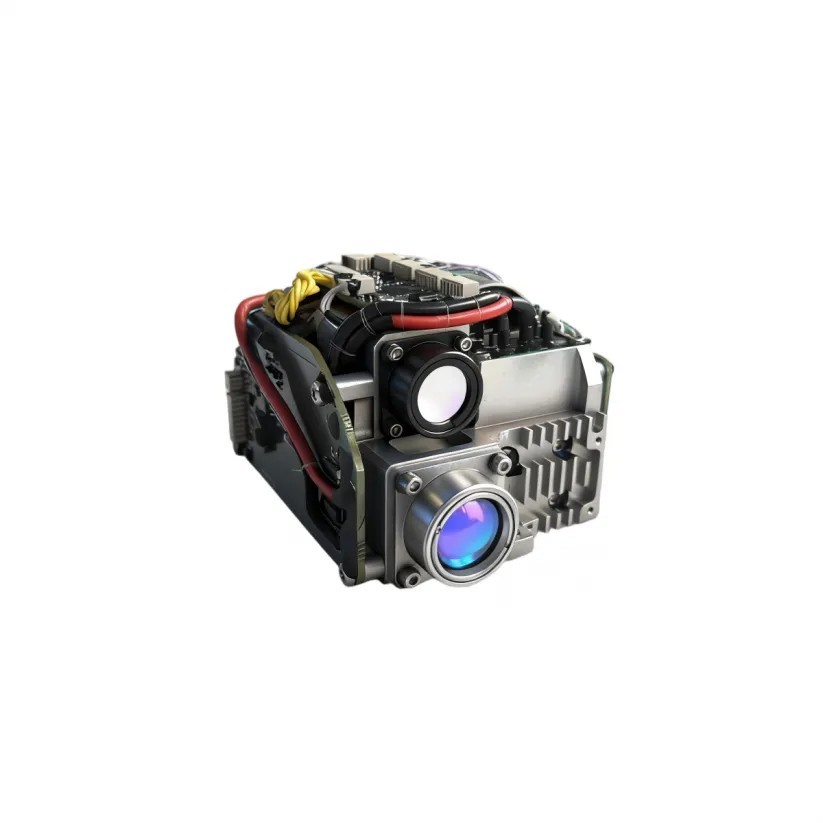
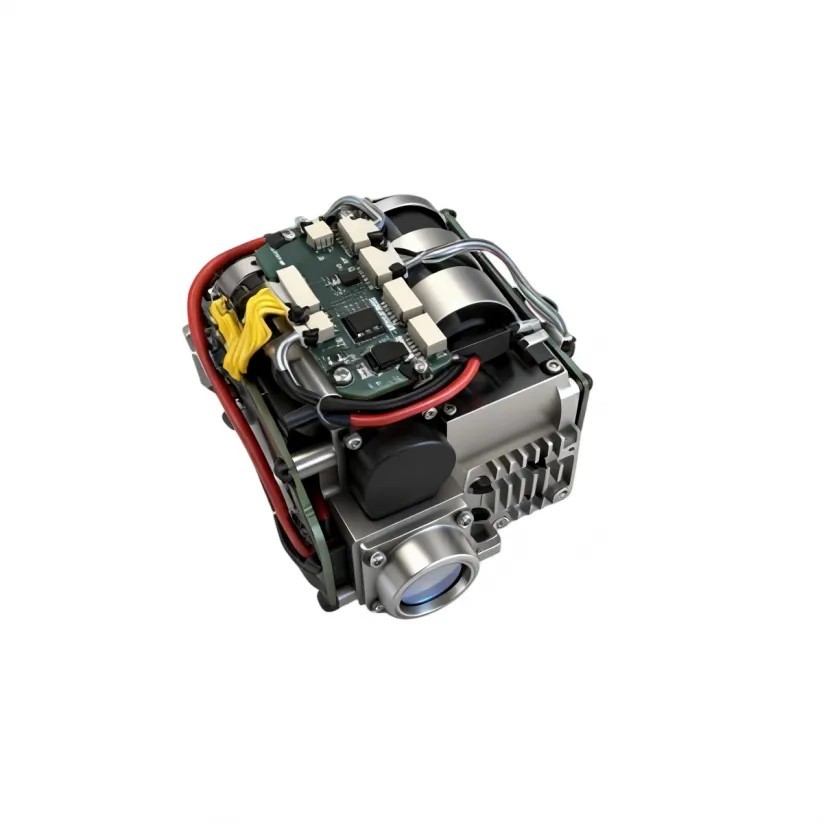
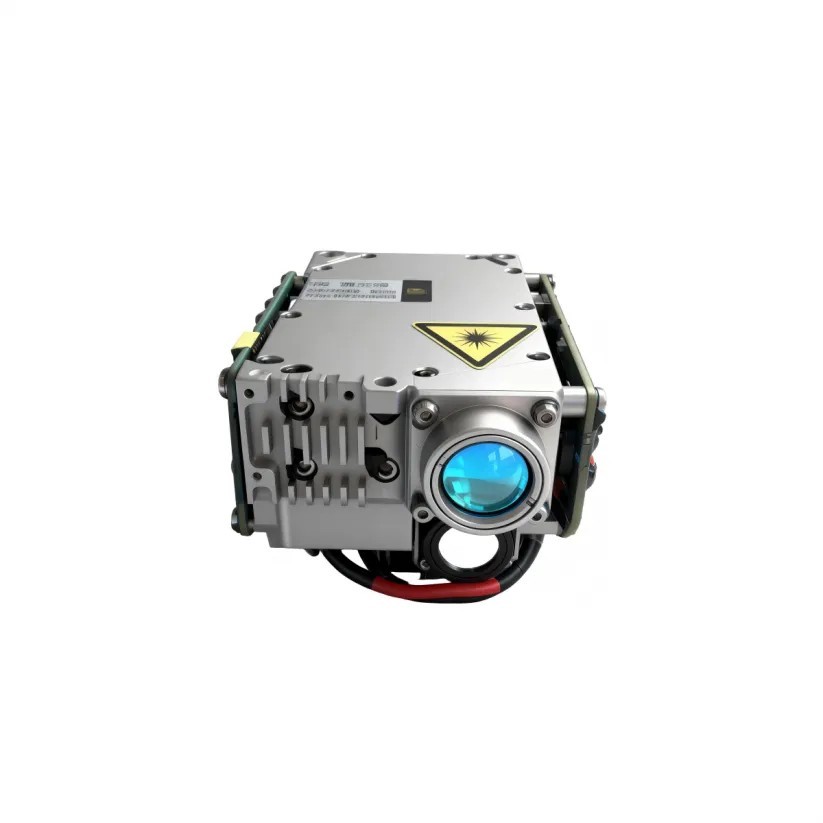
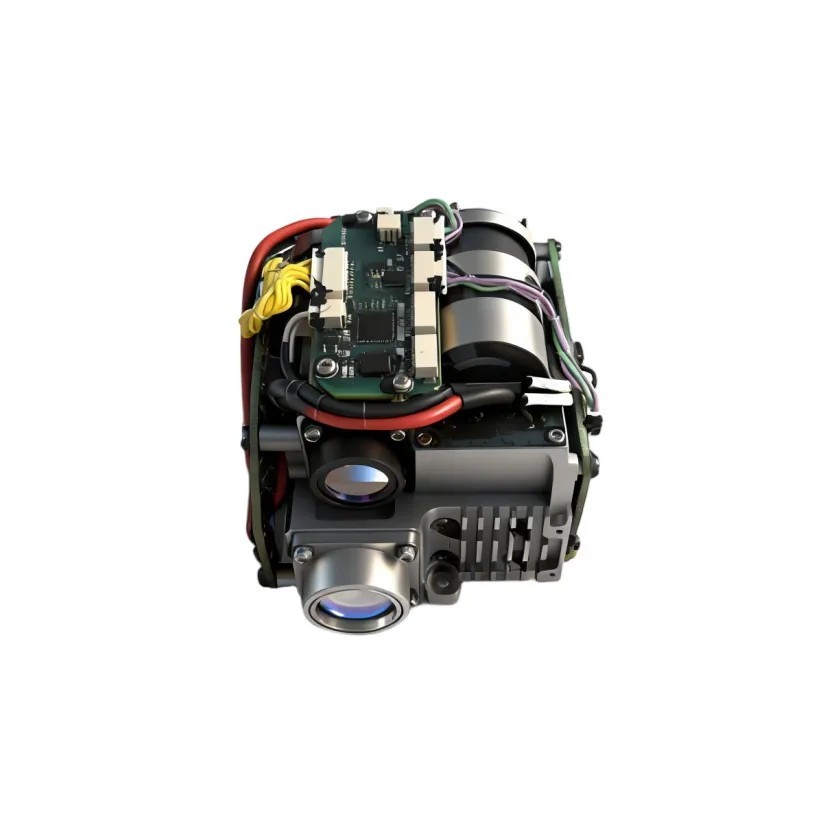
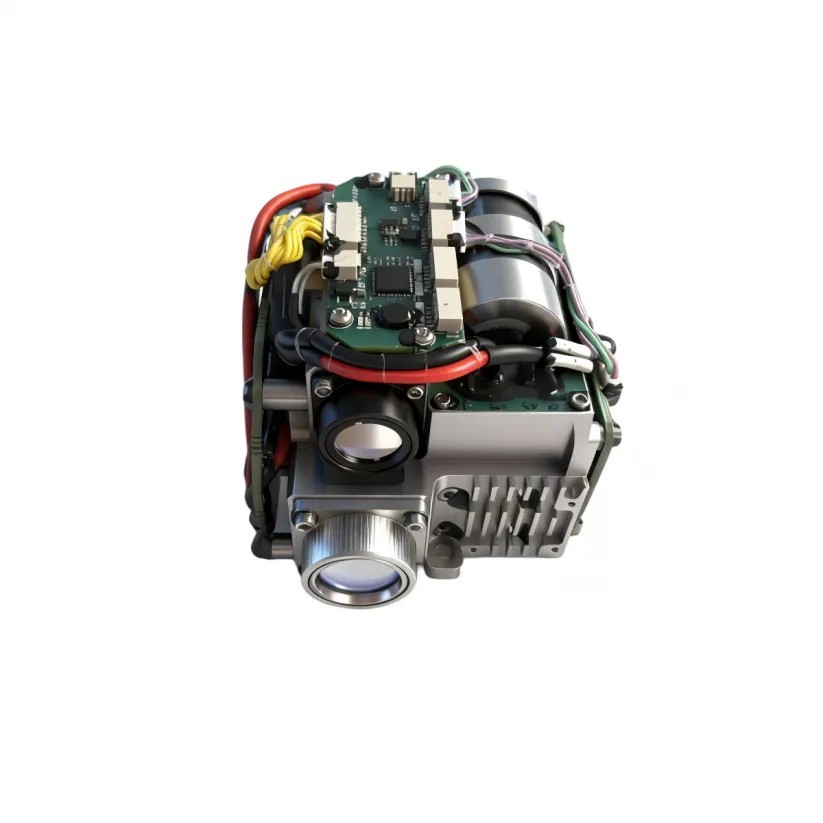
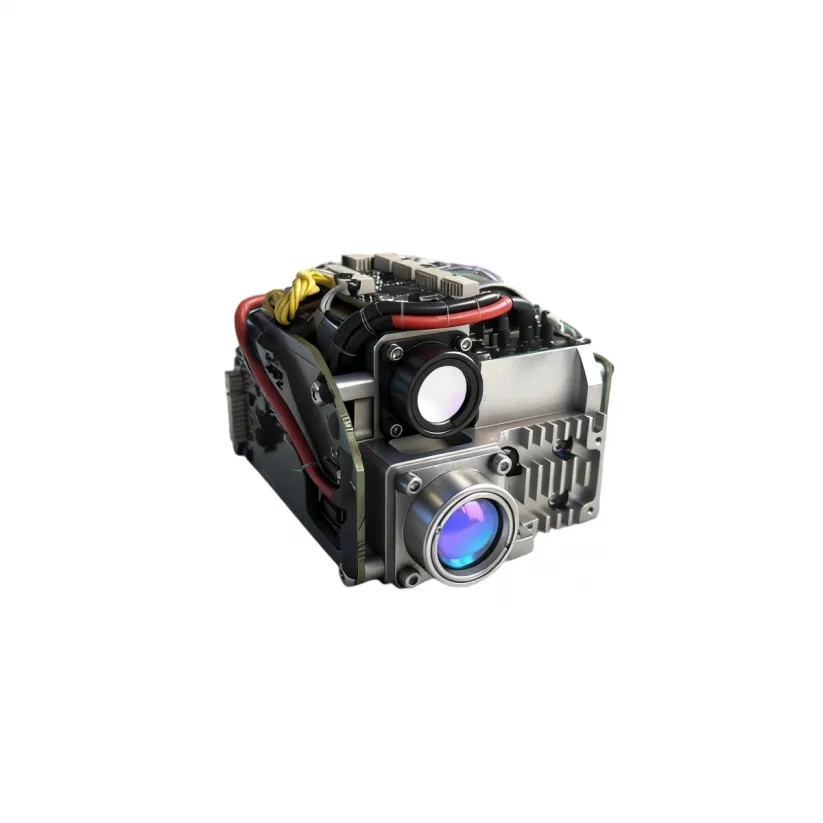
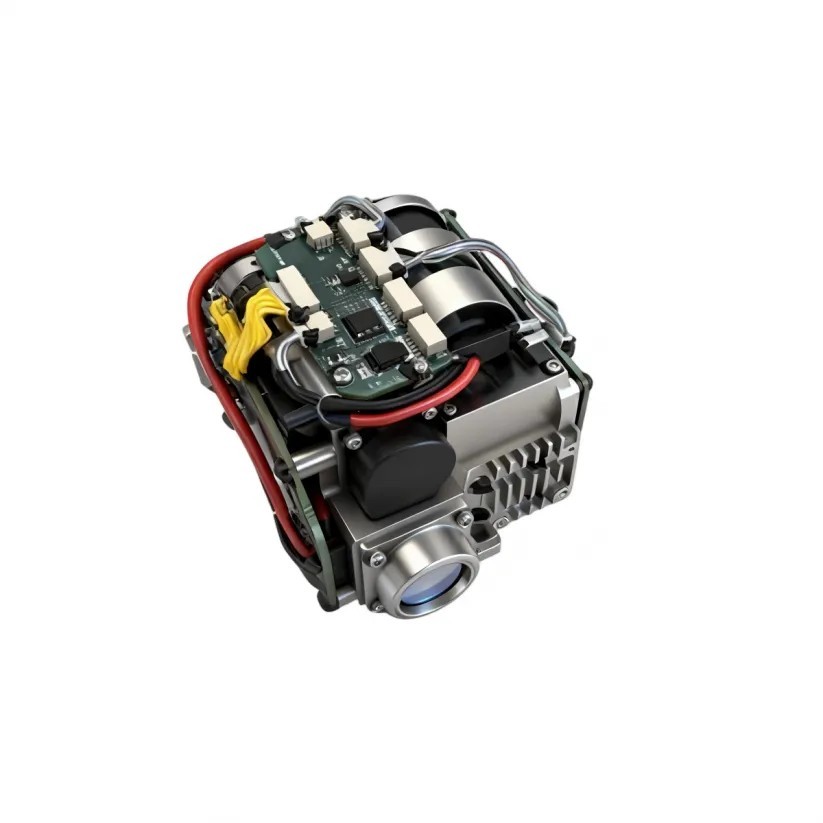
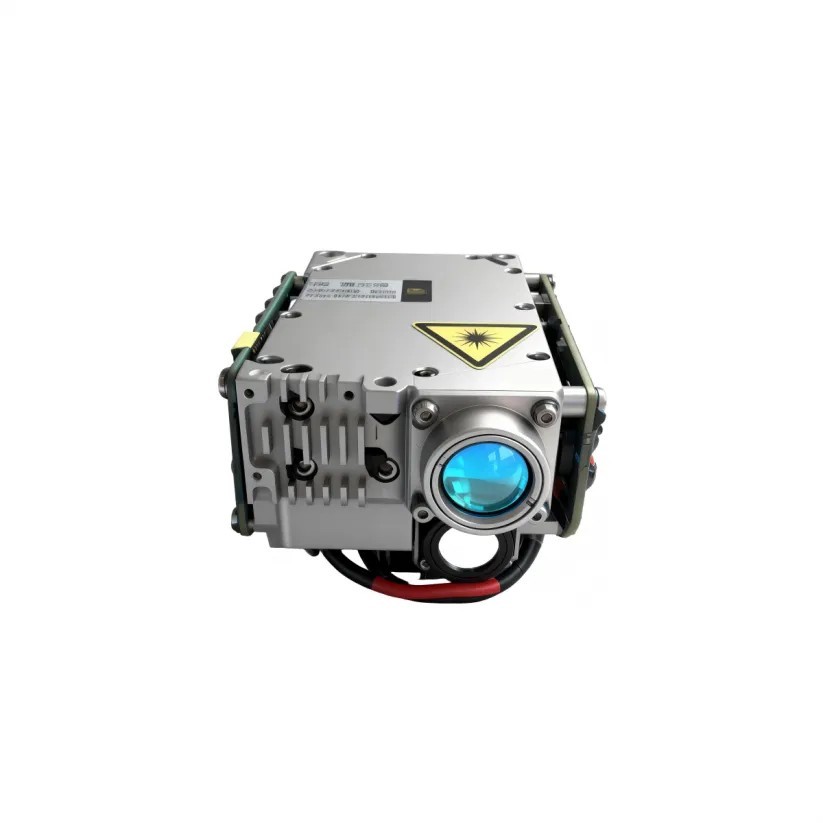
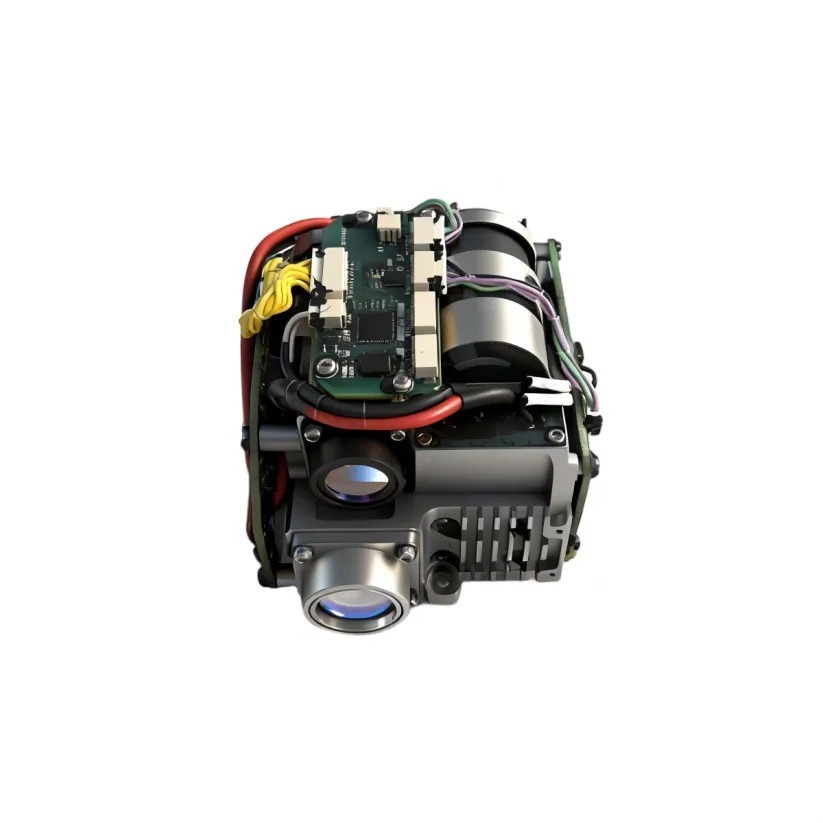
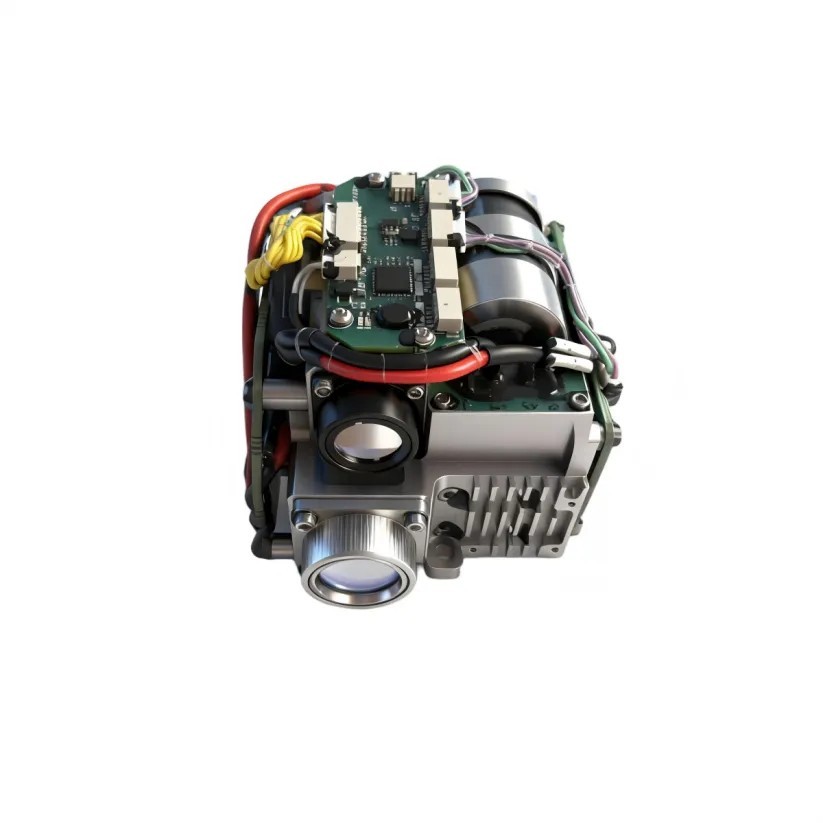
ERDI LASER® LDR20K1 is a lightweight 1064 nm laser target designator and 5 km laser rangefinder designed for UAV turrets, airborne EO/IR gimbals, and compact targeting pods. Delivering ≥20 mJ pulse energy,0.6 mrad beam divergence, it supports single-shot and continuous ranging with ±1 m accuracy and ≥98% acquisition rate. Its precise 20 Hz frequency-coded designation ensures reliable target marking for guided munition systems.
Key Advantage
- Integrated designation & ranging: 1064 nm laser target designation and up to 5 km precision ranging in one compact module.
- High precision performance: ≥20 mJ pulse energy, 20 Hz coded designation, ≤0.6 mrad divergence, ±1 m accuracy.
- Stable & reliable operation: ≥98% acquisition rate, first/last target logic, –40 °C to +55 °C operation.
- Compact & rugged design: ≤290 g lightweight module, resistant to vibration and 10 g shock, easy integration.
TECHNICAL PARAMETERS
|
Operating modes |
Ranging, designation |
|
Pump source |
Diode array |
|
Operating wavelength |
1.064 µm (1064 nm) |
|
Pulse energy |
≥ 20 mJ |
|
Pulse energy fluctuation |
Within one designation cycle, single-pulse energy deviation shall not exceed ±10% of the mean pulse energy (statistics taken after 2 s of emission) |
|
Beam divergence |
≤ 0.6 mrad |
|
Pulse width |
10 ± 5 ns |
|
Laser optical-axis stability |
≤ 0.05 mrad |
|
Ranging performance |
Ranging frequency:1 Hz / 5 Hz, and single-shot
|
|
Designation performance |
|
|
Laser coding |
a) Complies with weapon system requirements and supports user-defined code expansion. b) Supports external synchronization signal input to control emission timing for coding. c) Coding method: precise frequency code (eight groups of pre-stored periodic codes). |
|
Dimensions and mass |
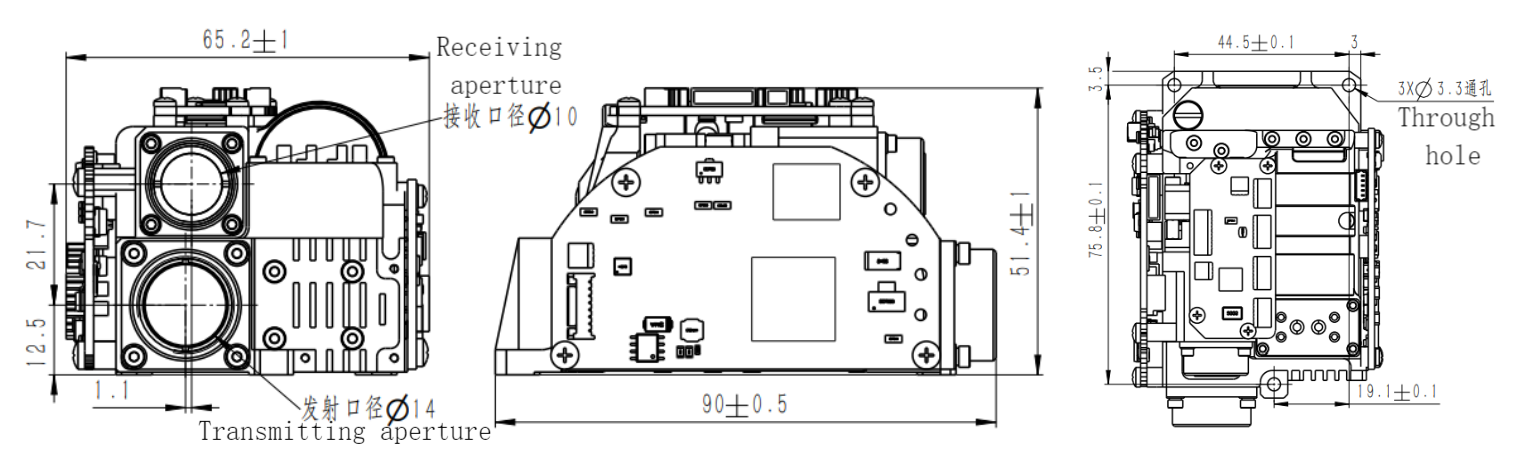
a) External envelope: ≤ 92 mm × 67 mm × 53 mm b) Mass: ≤ 290 g |
|
Power input requirements |
a) Average operating power consumption ≤ 55 W; peak power ≤ 100 W. b) Operating voltage range: 20 V – 28 V. |
Electrical "three-proof" treatment: circuit boards shall receive conformal coating after design and debugging to provide three-proof protection.
ENVIRONMENTAL ADAPTABILITY REQUIREMENTS
|
Temperature Requirements |
High-temperature conditions
Low-temperature conditions
|
|
Vibration Requirements |
|
|
Shock Requirements |
|
DIMENSION(mm)
INTERFACE
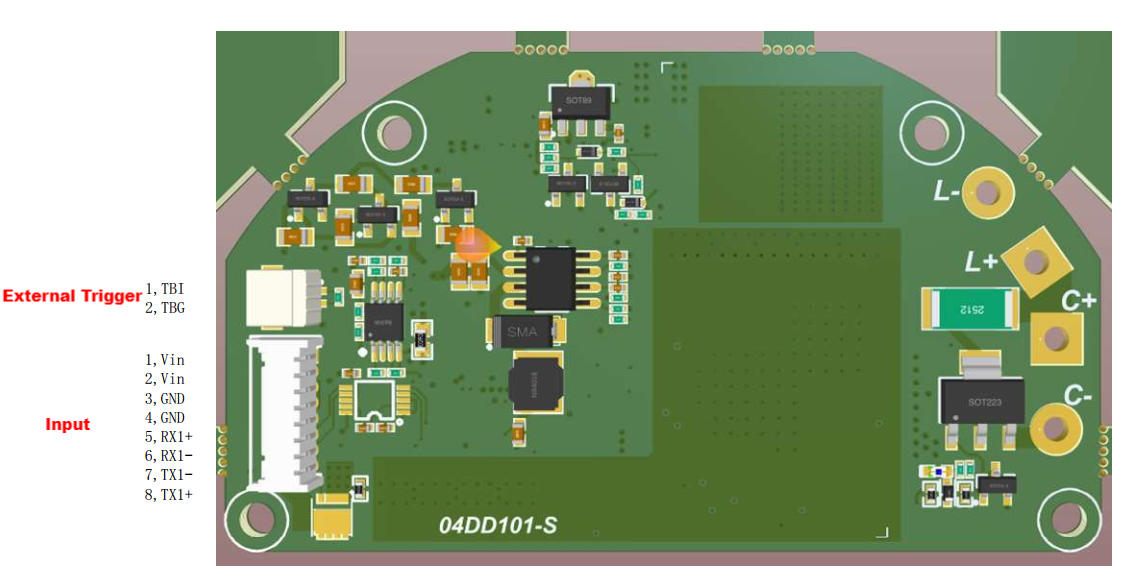
Electrical Interface
Communication interface: RS422
Connector model and interface definition: see Table 1.
Connector: MOLEX 53048-0810
Mating plug: MOLEX 51021-0800
Table 1 — Electrical Interface Definition (TTL)
|
Pin No. |
Signal Name |
Description |
|
1 |
Vin |
Power supply +24 V |
|
2 |
Vin |
Power supply +24 V |
|
3 |
GND |
Power return (–) |
|
4 |
GND |
Power return (–) |
|
5 |
RX1+ |
Host → Laser rangefinder/designator module (RS-422 RX+) |
|
6 |
RX1– |
Host → Laser rangefinder/designator module (RS-422 RX–) |
|
7 |
TX1– |
Laser rangefinder/designator module → Host (RS-422 TX–) |
|
8 |
TX1+ |
Laser rangefinder/designator module → Host (RS-422 TX+) |
External trigger interface:
|
Pin No. |
Signal Name |
Description |
|
1 |
TBI |
External trigger + (triggered on rising edge) |
|
2 |
TBG |
External trigger – |
Figure — Electrical Interface Diagram
Information Download
-
PRODUCT DESCRIPTON
-
TECHNICAL PARAMETERS
-
DIMENSION(mm)
-
INTERFACE
-
Information Download
ERDI LASER® LDR20K1 is a lightweight 1064 nm laser target designator and 5 km laser rangefinder designed for UAV turrets, airborne EO/IR gimbals, and compact targeting pods. Delivering ≥20 mJ pulse energy,0.6 mrad beam divergence, it supports single-shot and continuous ranging with ±1 m accuracy and ≥98% acquisition rate. Its precise 20 Hz frequency-coded designation ensures reliable target marking for guided munition systems.
Key Advantage
- Integrated designation & ranging: 1064 nm laser target designation and up to 5 km precision ranging in one compact module.
- High precision performance: ≥20 mJ pulse energy, 20 Hz coded designation, ≤0.6 mrad divergence, ±1 m accuracy.
- Stable & reliable operation: ≥98% acquisition rate, first/last target logic, –40 °C to +55 °C operation.
- Compact & rugged design: ≤290 g lightweight module, resistant to vibration and 10 g shock, easy integration.
|
Operating modes |
Ranging, designation |
|
Pump source |
Diode array |
|
Operating wavelength |
1.064 µm (1064 nm) |
|
Pulse energy |
≥ 20 mJ |
|
Pulse energy fluctuation |
Within one designation cycle, single-pulse energy deviation shall not exceed ±10% of the mean pulse energy (statistics taken after 2 s of emission) |
|
Beam divergence |
≤ 0.6 mrad |
|
Pulse width |
10 ± 5 ns |
|
Laser optical-axis stability |
≤ 0.05 mrad |
|
Ranging performance |
Ranging frequency:1 Hz / 5 Hz, and single-shot
|
|
Designation performance |
|
|
Laser coding |
a) Complies with weapon system requirements and supports user-defined code expansion. b) Supports external synchronization signal input to control emission timing for coding. c) Coding method: precise frequency code (eight groups of pre-stored periodic codes). |
|
Dimensions and mass |
a) External envelope: ≤ 92 mm × 67 mm × 53 mm b) Mass: ≤ 290 g |
|
Power input requirements |
a) Average operating power consumption ≤ 55 W; peak power ≤ 100 W. b) Operating voltage range: 20 V – 28 V. |
Electrical "three-proof" treatment: circuit boards shall receive conformal coating after design and debugging to provide three-proof protection.
ENVIRONMENTAL ADAPTABILITY REQUIREMENTS
|
Temperature Requirements |
High-temperature conditions
Low-temperature conditions
|
|
Vibration Requirements |
|
|
Shock Requirements |
|
Electrical Interface
Communication interface: RS422
Connector model and interface definition: see Table 1.
Connector: MOLEX 53048-0810
Mating plug: MOLEX 51021-0800
Table 1 — Electrical Interface Definition (TTL)
|
Pin No. |
Signal Name |
Description |
|
1 |
Vin |
Power supply +24 V |
|
2 |
Vin |
Power supply +24 V |
|
3 |
GND |
Power return (–) |
|
4 |
GND |
Power return (–) |
|
5 |
RX1+ |
Host → Laser rangefinder/designator module (RS-422 RX+) |
|
6 |
RX1– |
Host → Laser rangefinder/designator module (RS-422 RX–) |
|
7 |
TX1– |
Laser rangefinder/designator module → Host (RS-422 TX–) |
|
8 |
TX1+ |
Laser rangefinder/designator module → Host (RS-422 TX+) |
External trigger interface:
|
Pin No. |
Signal Name |
Description |
|
1 |
TBI |
External trigger + (triggered on rising edge) |
|
2 |
TBG |
External trigger – |
Figure — Electrical Interface Diagram