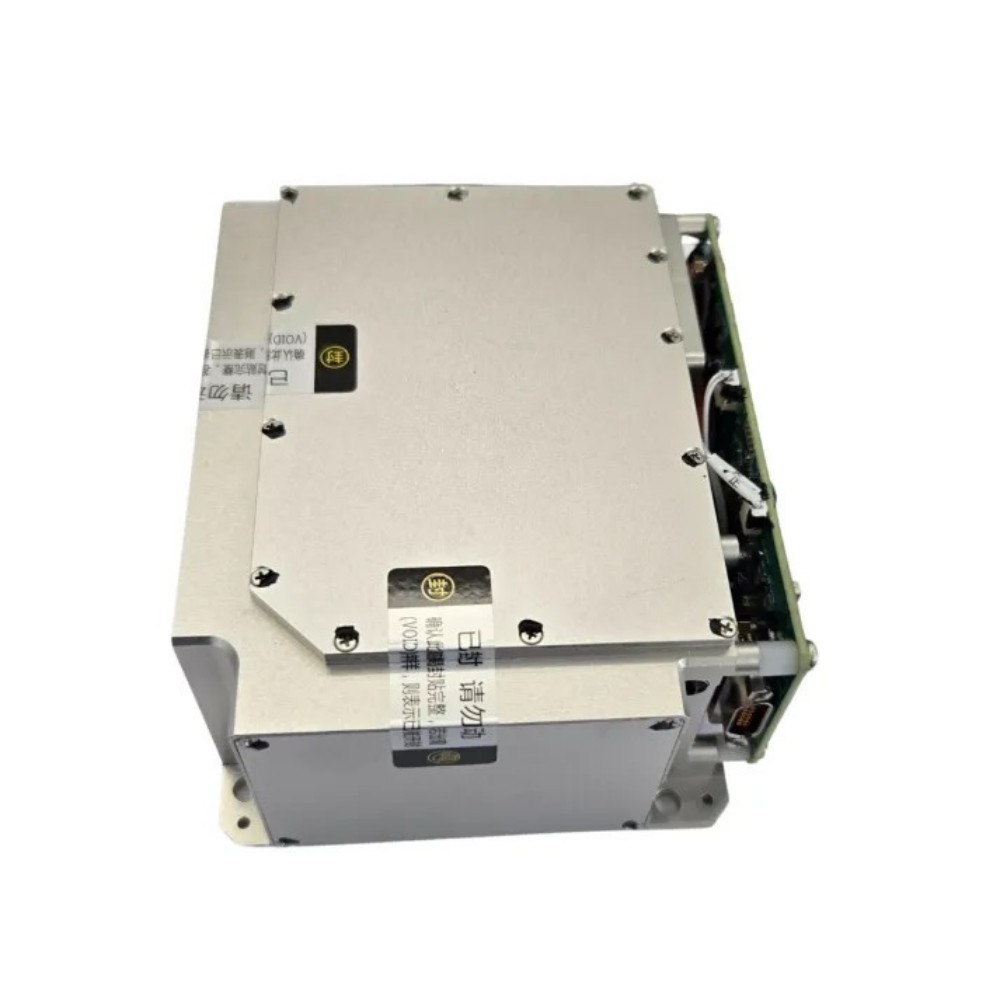
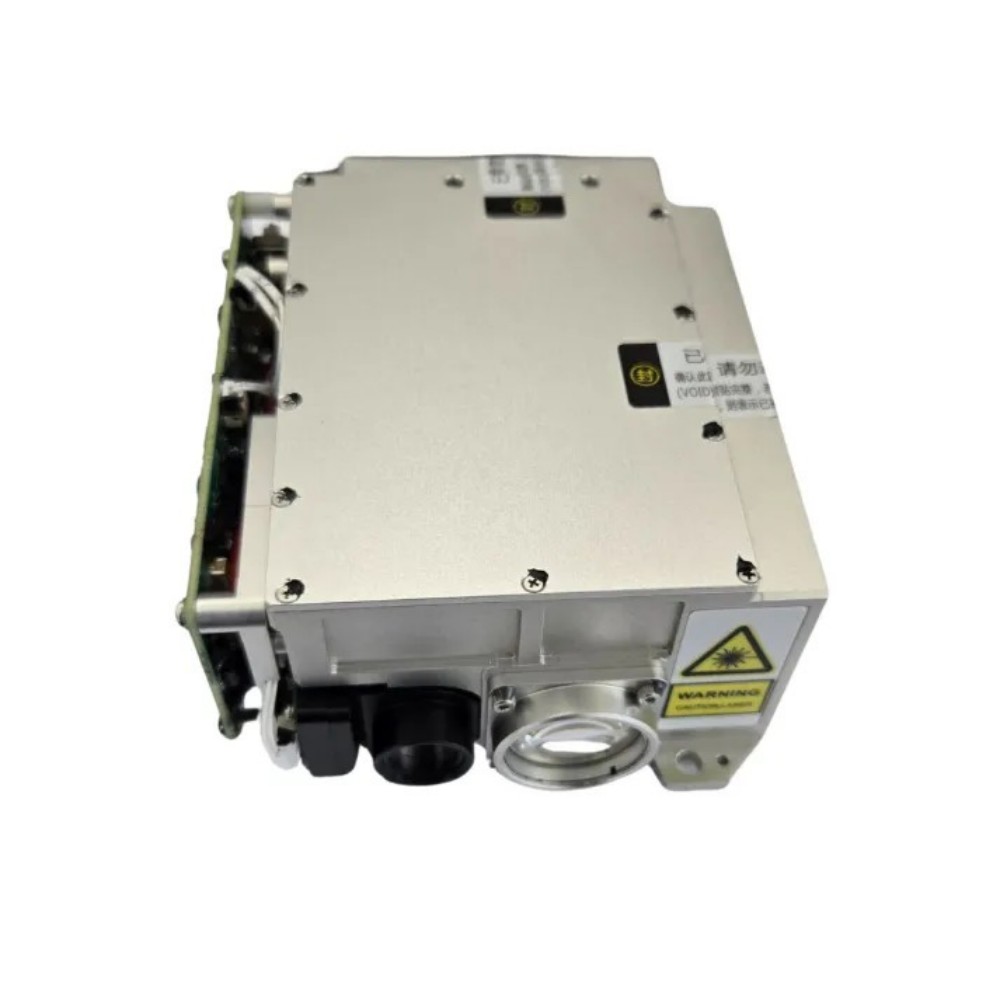
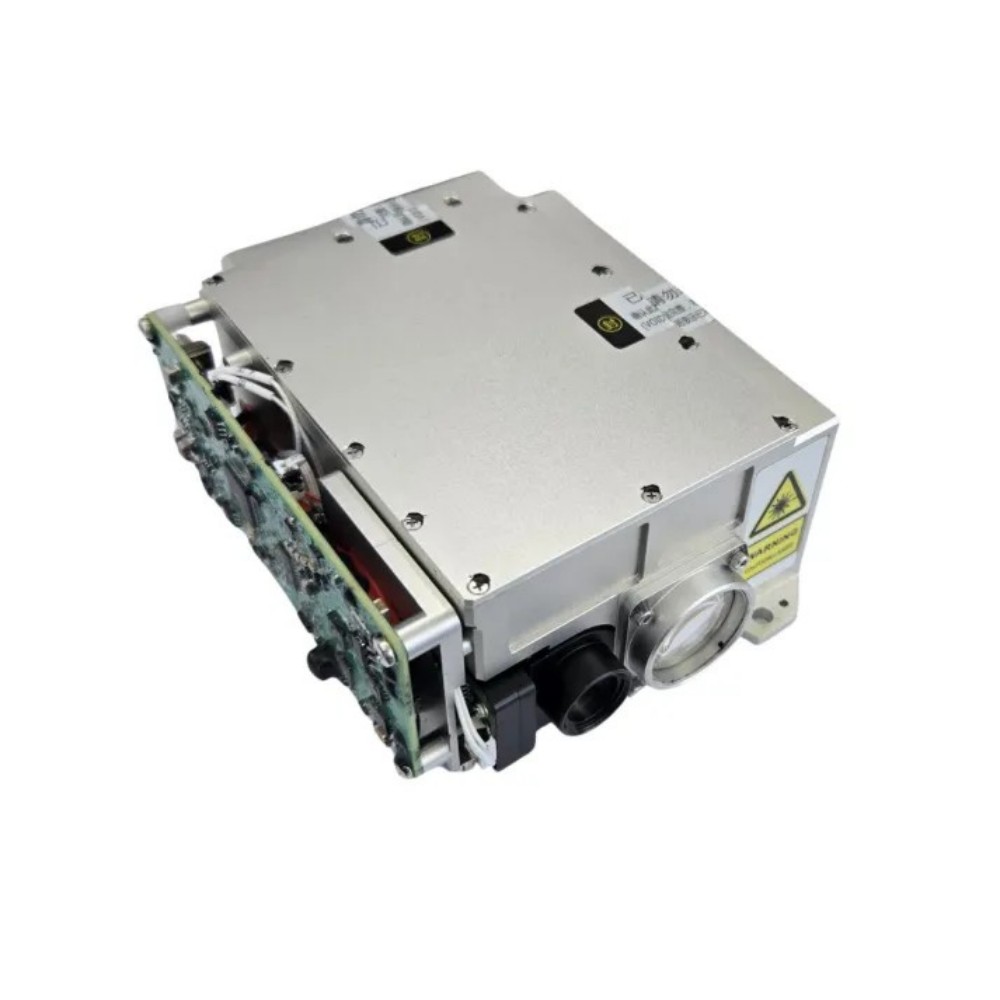
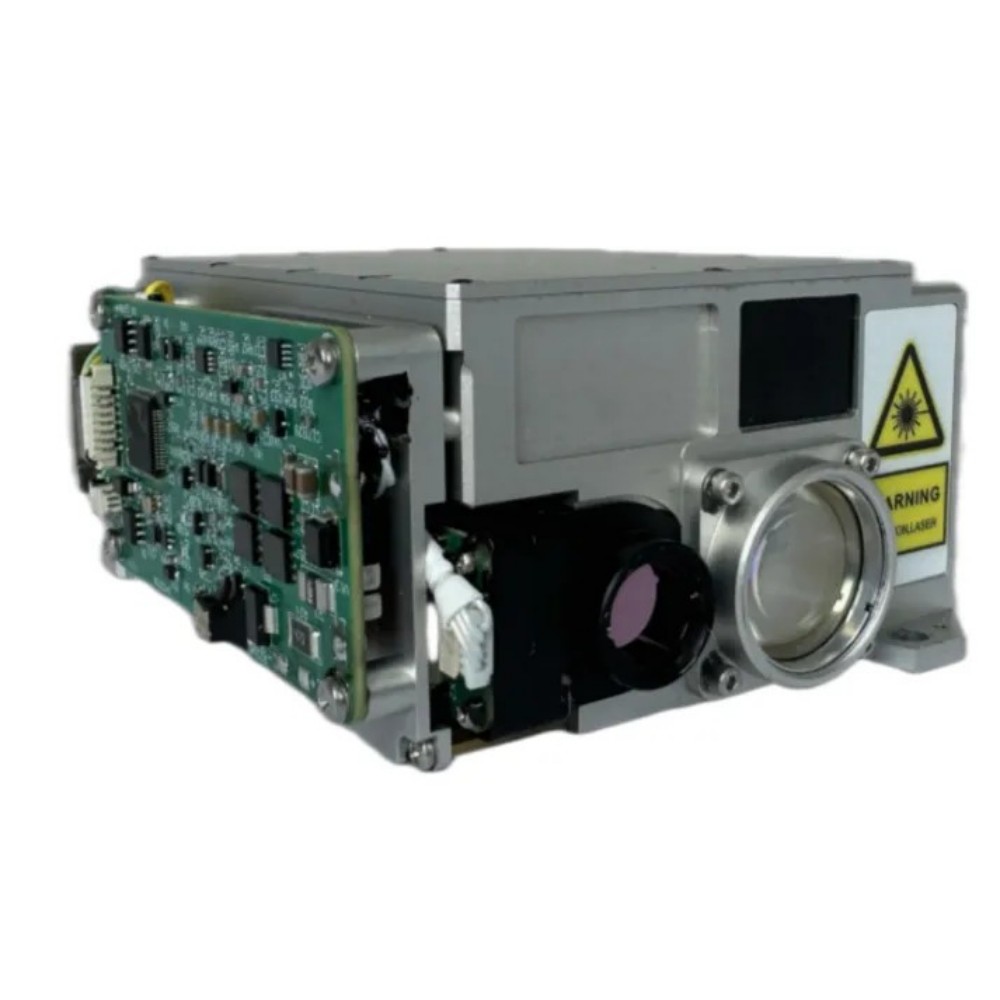
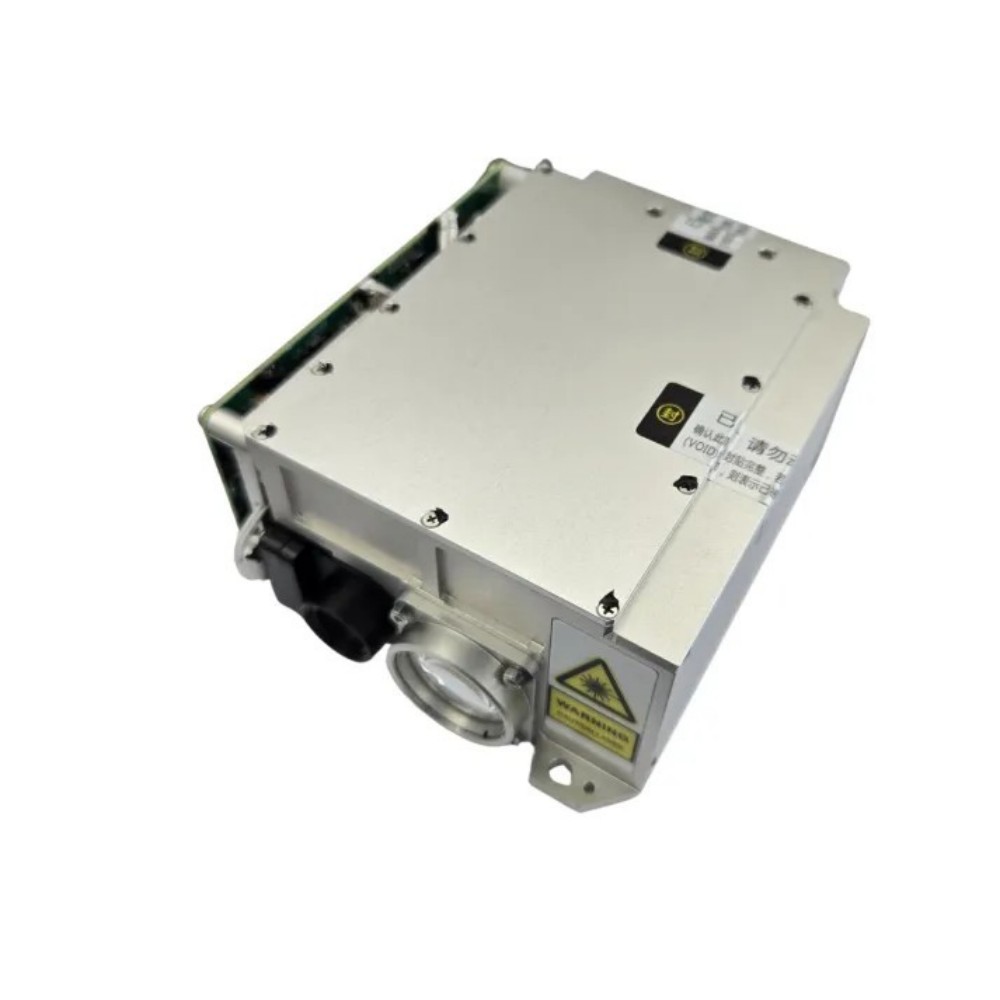
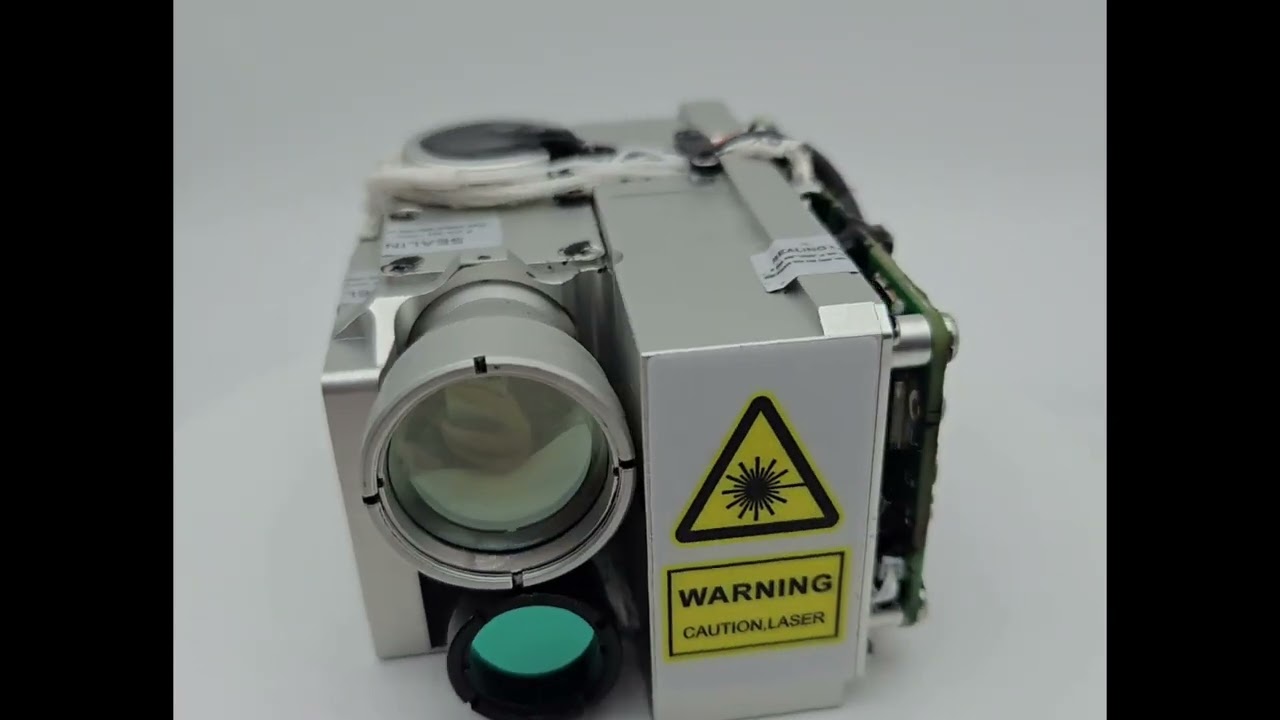
1064nm Laser Rangefinder & Target Designator - 60mJ
MOQ
After-Sales Support
Choose ERDI modules with confidence.
OEM/ODM Capabilities
Support Global Delivery
30-day TrialTake
PRODUCT DESCRIPTON
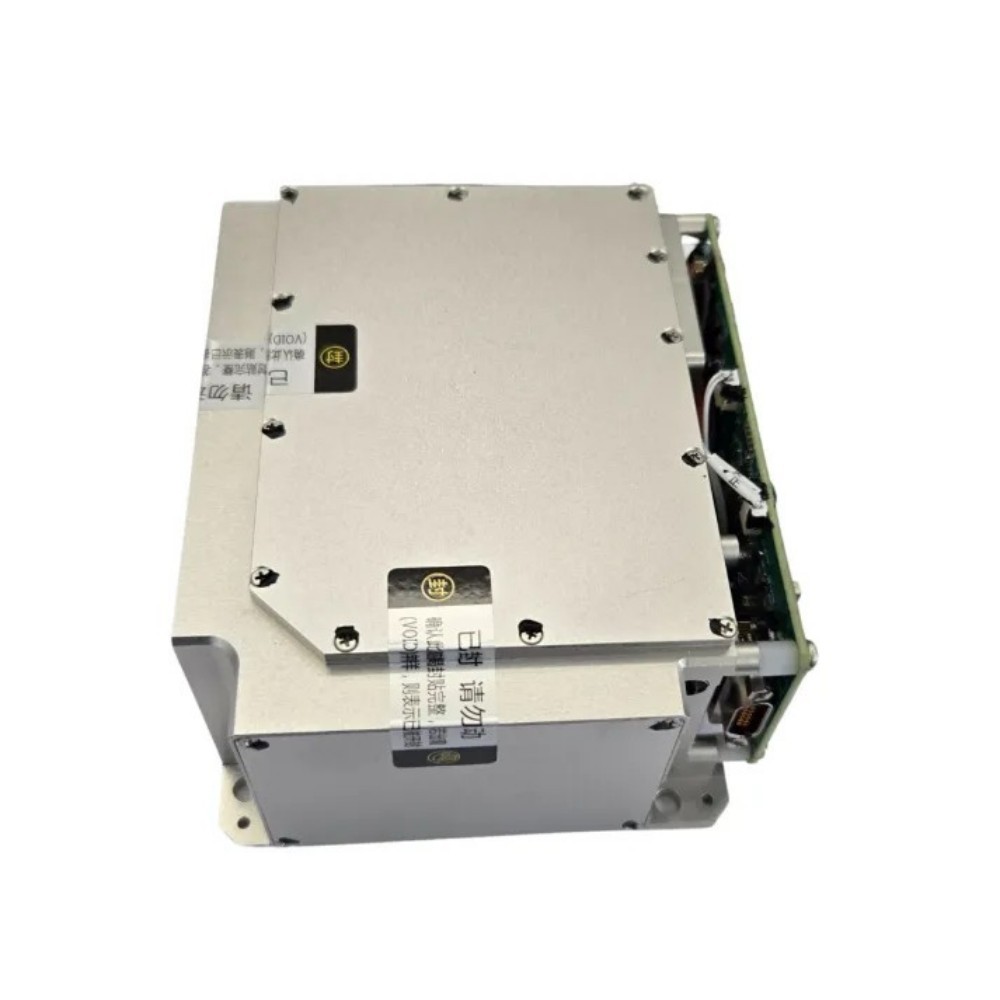
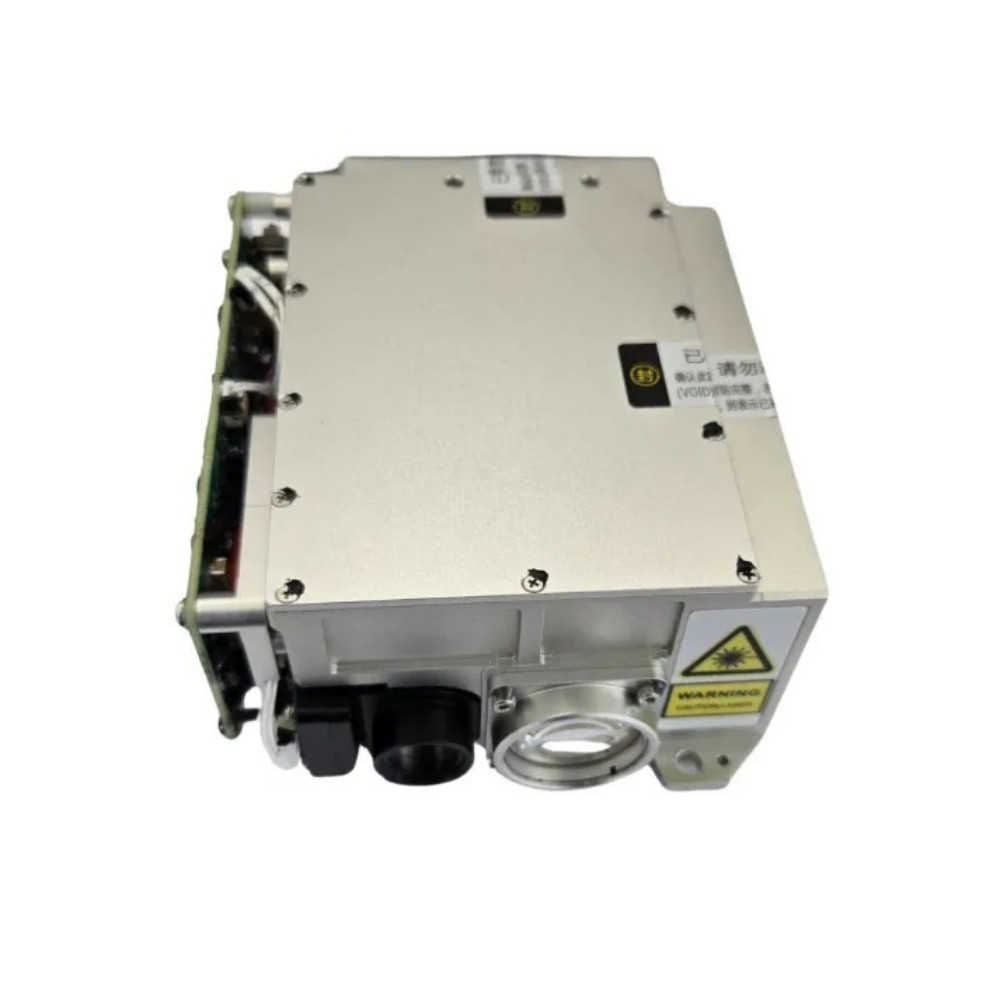
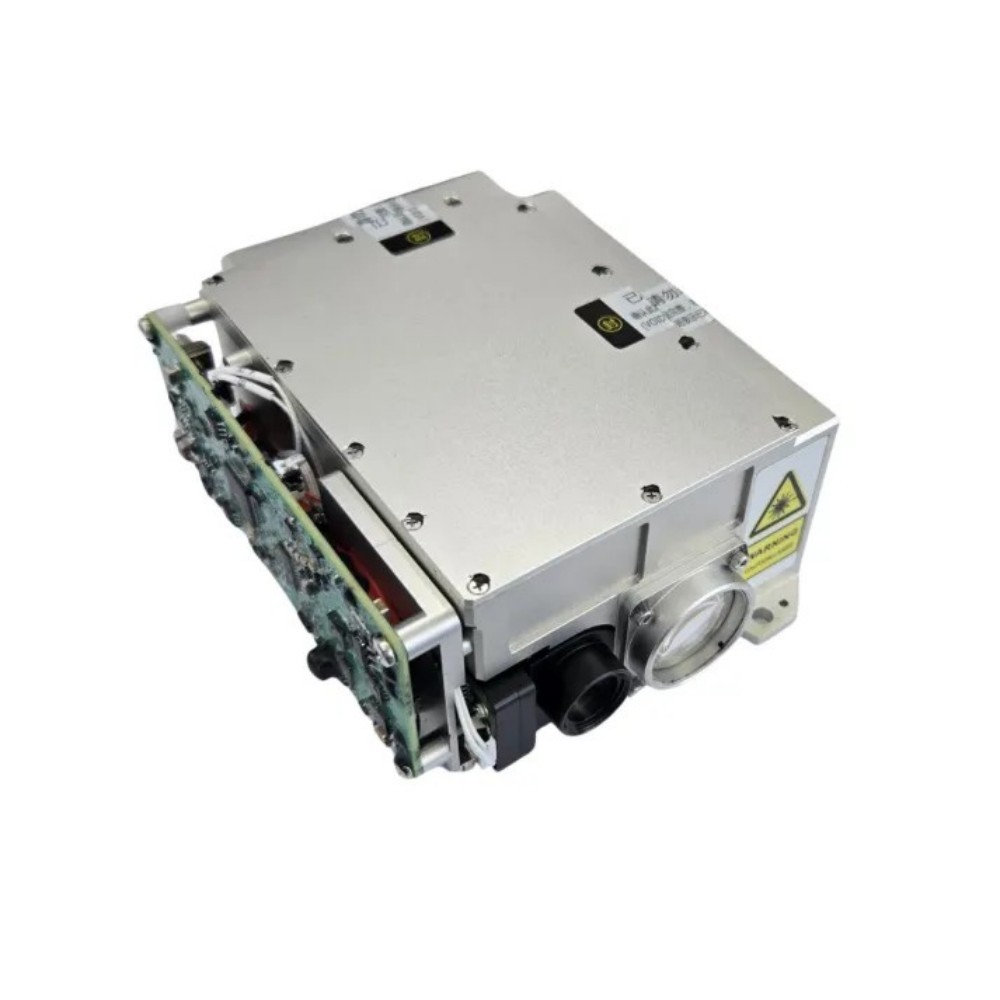
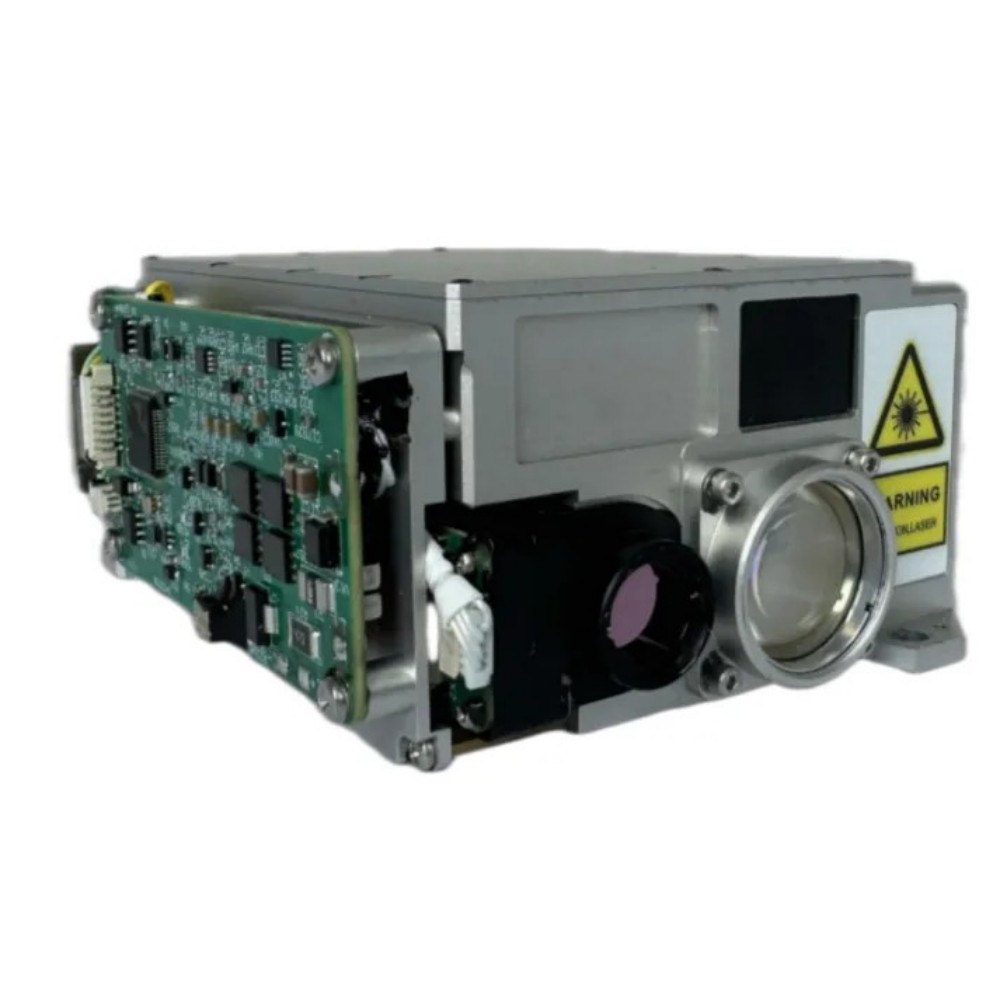
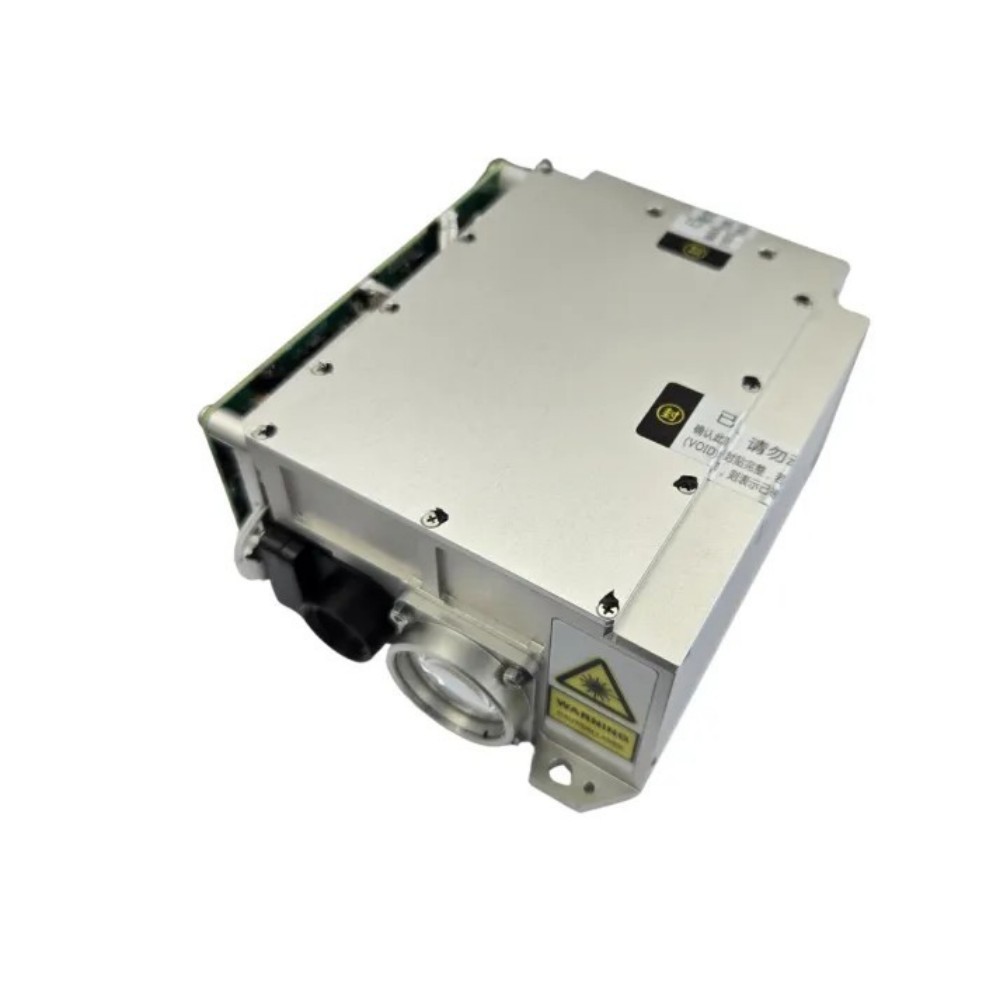
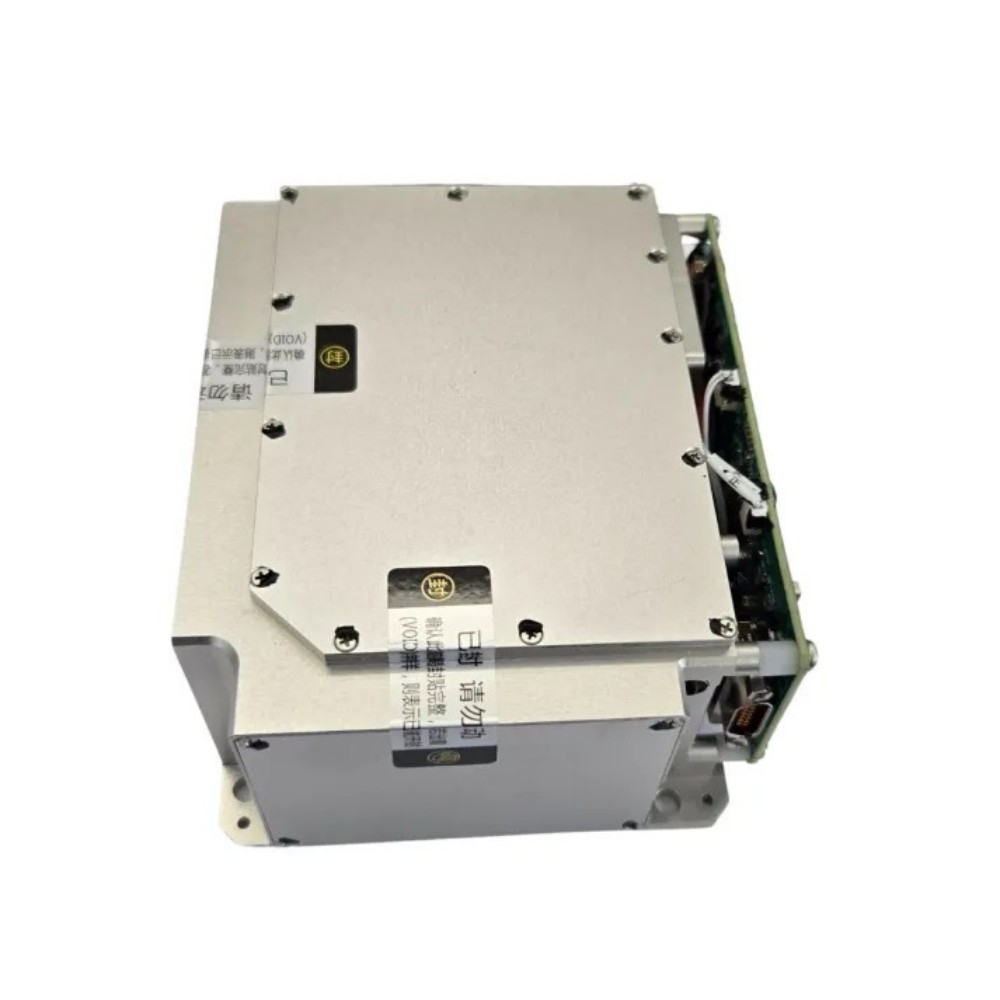
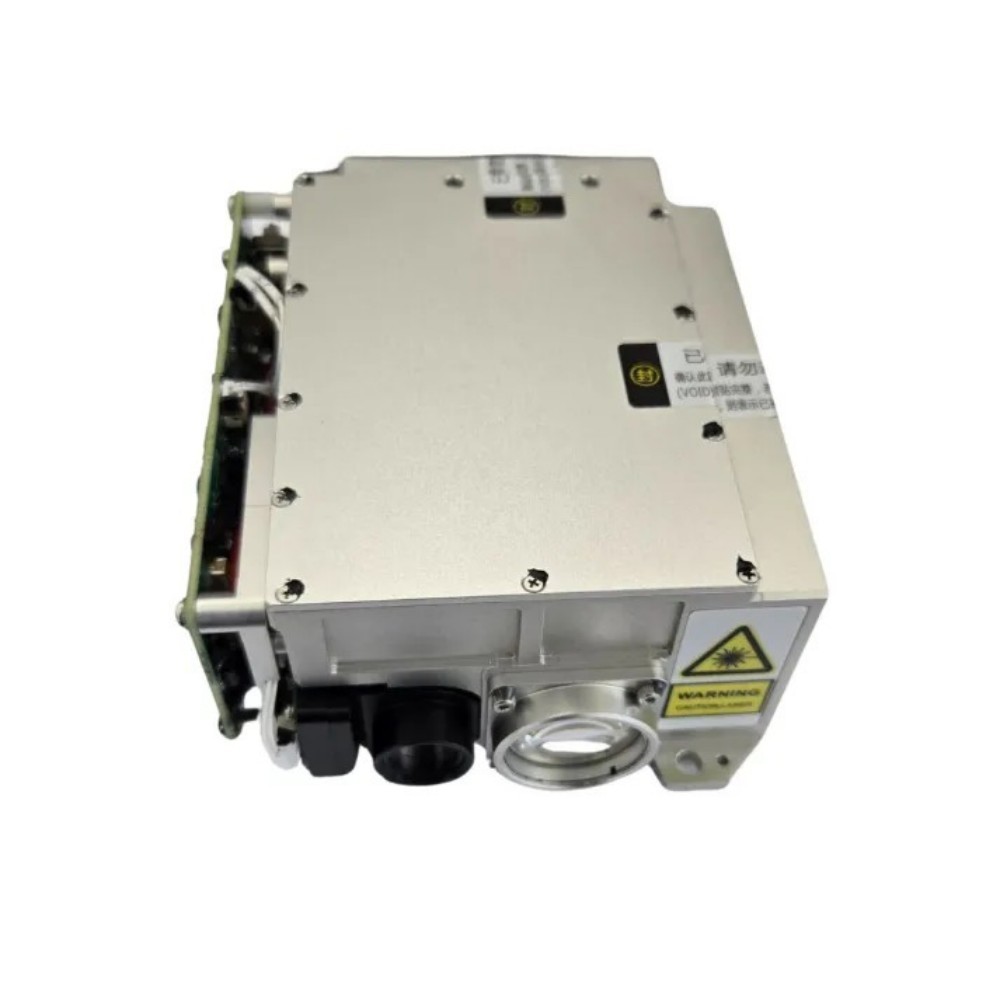
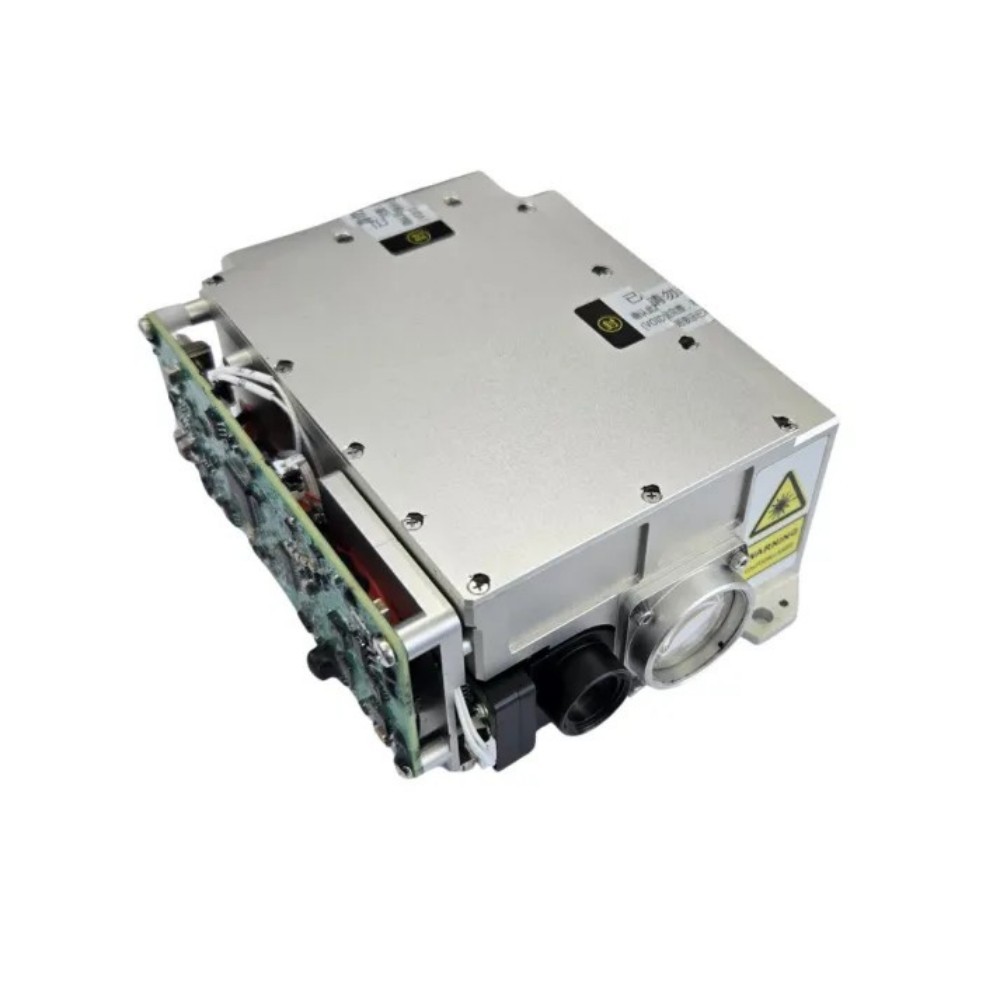
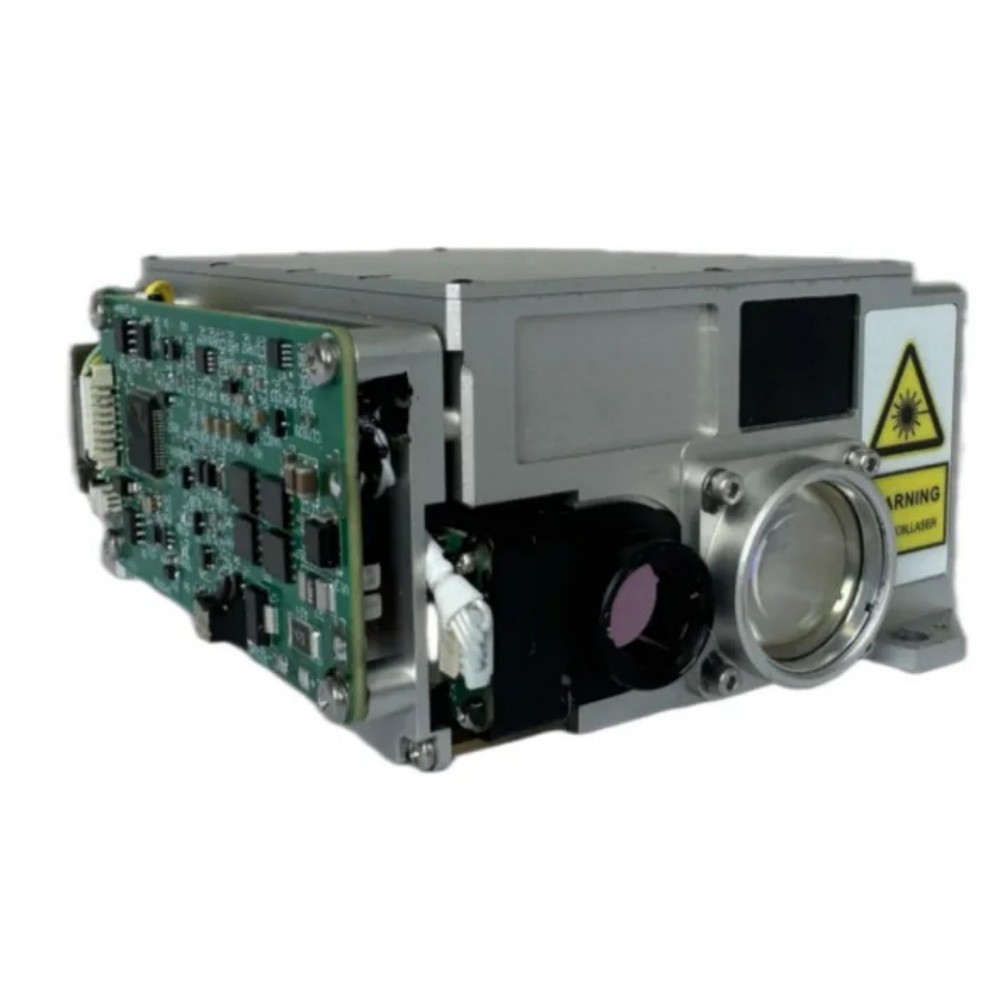
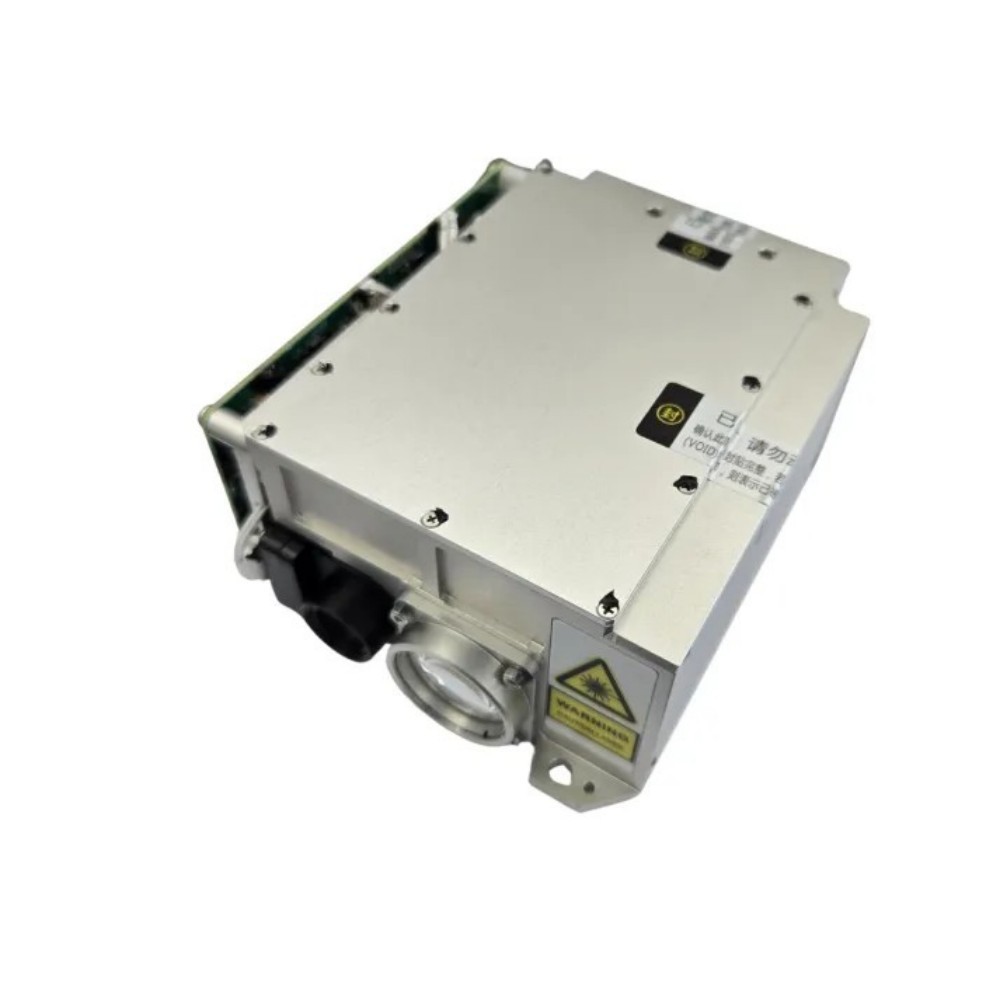
The ERDI LASER® LDR60K1 is a compact, high-performance 1064 nm laser system designed for precision target ranging and coded laser illumination. It delivers accurate distance measurement and stable laser designation to support fire-control guidance for missiles and other precision-guided munitions, ensuring reliable operation across demanding battlefield and platform environments.
Key Advantage
-
High-Precision Performance:Delivers ±2 m ranging accuracy, ≥98% valid detection probability, and excellent beam stability, ensuring reliable target guidance.
-
Long-Range, High-Energy Output:≥60 mJ pulse energy with low beam divergence supports effective target ranging and designation at distances up to ≥10 km.
-
Advanced Coded Laser Designation:Precise frequency coding with high timing accuracy and support for multiple fixed codes enables compatibility with diverse weapon systems.
-
Rugged Design for Harsh Environments:Wide operating temperature range, vibration resistance, and conformal-coated electronics ensure dependable operation in demanding military conditions.
-
Compact, Responsive, and Intelligent:Lightweight, fast command response, and integrated self-test and temperature monitoring simplify platform integration and enhance operational readiness.
TECHNICAL PARAMETERS
|
Operating modes |
Ranging, illumination (designation) |
|
Laser wavelength |
1064 nm ± 3 nm |
|
Operating Conditions |
Target size: 2.3 m × 2.3 m. |
|
Average pulse energy |
≥ 60 mJ |
|
Pulse energy stability |
within a single illumination cycle, the energy fluctuation of individual pulses shall not exceed ±10% of the average energy (measured over the full temperature range, statistic taken 2 s after emission begins). |
|
|
|
|
Beam divergence |
≤ 0.3 mrad |
|
Laser pulse width |
15 ns ± 5 ns |
|
Spatial pointing instability of the laser beam |
≤ 0.05 mrad |
|
Non-parallelism between the mounting datum plane and the laser emission axis |
≤ 0.3 mrad |
|
Ranging frequency |
1 Hz / 5 Hz / single-shot |
|
Minimum measurable distance |
≤ 300 m |
|
Maximum measurable distance |
≥ 10 km (large target) |
|
Ranging accuracy |
±2 m |
|
Probability of valid ranging (detection probability) |
≥ 98% |
|
Illumination (designation) performance |
Illumination frequency: per weapon-system requirements (fundamental frequency 20 Hz); |
|
Illumination (designation) cycles |
Short-cycle mode: single illumination duration 17 s, interval 10 s, up to 6 consecutive cycles; |
|
Code types |
precise frequency code, 8 fixed code patterns |
|
Laser turn-on (response) time |
≤ 800 ms (time from receipt of ranging/illumination command to emission) |
|
Power-on startup time |
≤ 10 s |
|
Service life |
≥ 1,000,000 pulses (one million emissions) |
|
Dimensions and mass |
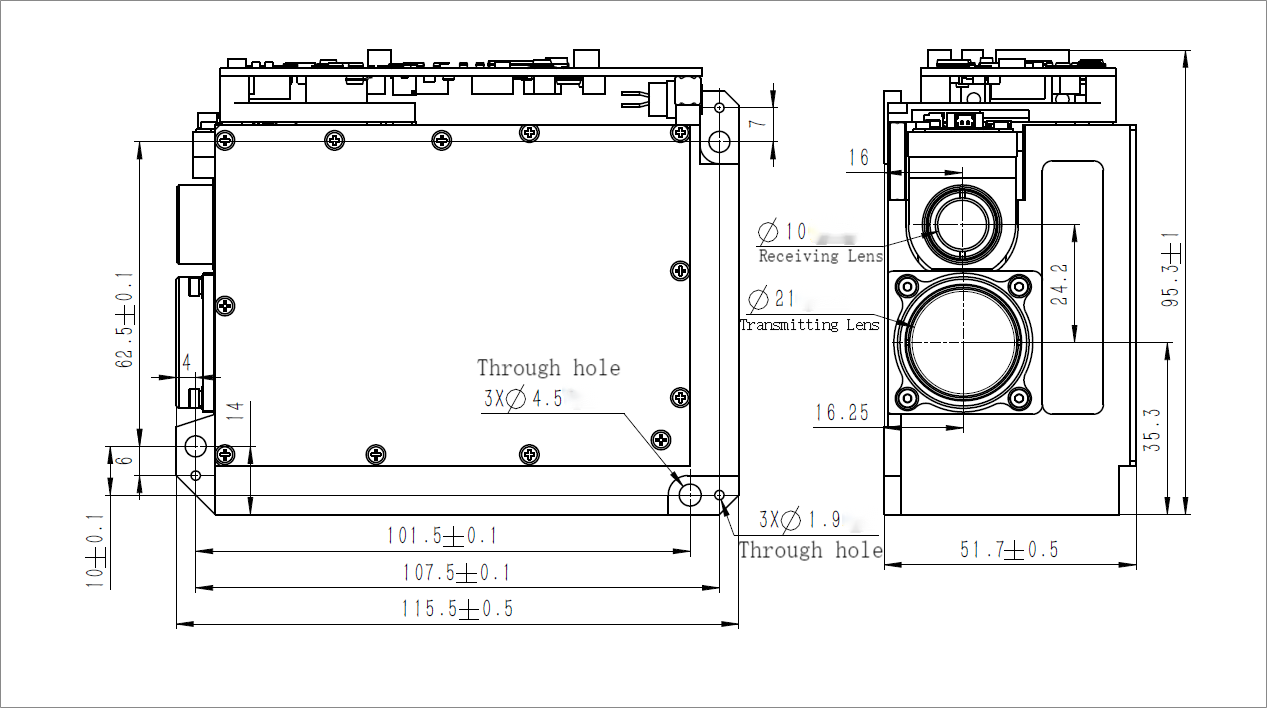
Overall envelope: ≤ 116 mm × 52 mm × 96 mm; |
|
Power |
Standby power consumption: ≤ 5 W; |
|
Electronic “three-proof” treatment |
After PCB design and debugging, printed circuit boards shall be coated with a three-proof (conformal) coating to provide protection against moisture, dust and corrosive environments. |
|
Temperature Requirements |
High-Temperature Requirements |
|
Vibration Requirements |
The equipment shall withstand flight-induced vibration and shocks occurring during takeoff and landing. All components shall also meet the environmental conditions of vehicle transport. |
|
Shock Requirements |
Vertical axis: ≥ 10 g Lateral axis: ≥ 10 g Longitudinal axis: ≥ 10 g Shock waveform: post-peak sawtooth, duration 11 ms; applied along X, Y, and Z axes, both directions on each axis, 18 shocks in total. Test conditions: The product shall be mounted on the shock test platform in its normal operating configuration and powered on during testing. After shock testing, the equipment shall operate normally. |
DIMENSION(mm)
INTERFACE
Rangefinder connector model: J30J-15ZKP
Mating plug model (on the electro-optical system side): J30J-15TJL (WL150A4)
The specific signal definitions of the laser target designator/rangefinder are shown in Table 1.
Table 1 — Electrical Interface Definition
|
Pin No. |
Signal Definition |
Input/Output |
Description |
Remarks |
|
1. |
+28V |
Input |
The power supply characteristics comply with the relevant requirements of MIL-STD-810G. |
Power Supply |
|
2. |
+28V |
|||
|
3. |
+28V |
|||
|
4. |
+28V_GND |
|||
|
5. |
+28V_GND |
|||
|
6. |
+28V_GND |
|||
|
7. |
Power-On Control (+) |
Input/Output |
Refer to the requirements specified in the Power-On Control section. |
I/O Control |
|
8. |
Power-On Control (-) |
|||
|
9. |
RS422_RX+ |
Input/Output |
The logic level and drive capability comply with the RS-422 interface standard. |
The transmit/receive pin definitions correspond to the laser rangefinder itself. |
|
10. |
RS422_RX- |
|||
|
11. |
RS422_TX+ |
|||
|
12. |
RS422_TX- |
|||
|
13. |
RS422_GND |
|||
|
14. |
External Synchronization Control Signal |
Input |
The logic level and drive capability comply with the RS-422 interface standard. |
External synchronization signal used to control laser coding. |
|
15. |
External Synchronization Control Signal (–) |
Information Download
-
PRODUCT DESCRIPTON
-
TECHNICAL PARAMETERS
-
DIMENSION(mm)
-
INTERFACE
-
Information Download
The ERDI LASER® LDR60K1 is a compact, high-performance 1064 nm laser system designed for precision target ranging and coded laser illumination. It delivers accurate distance measurement and stable laser designation to support fire-control guidance for missiles and other precision-guided munitions, ensuring reliable operation across demanding battlefield and platform environments.
Key Advantage
-
High-Precision Performance:Delivers ±2 m ranging accuracy, ≥98% valid detection probability, and excellent beam stability, ensuring reliable target guidance.
-
Long-Range, High-Energy Output:≥60 mJ pulse energy with low beam divergence supports effective target ranging and designation at distances up to ≥10 km.
-
Advanced Coded Laser Designation:Precise frequency coding with high timing accuracy and support for multiple fixed codes enables compatibility with diverse weapon systems.
-
Rugged Design for Harsh Environments:Wide operating temperature range, vibration resistance, and conformal-coated electronics ensure dependable operation in demanding military conditions.
-
Compact, Responsive, and Intelligent:Lightweight, fast command response, and integrated self-test and temperature monitoring simplify platform integration and enhance operational readiness.
|
Operating modes |
Ranging, illumination (designation) |
|
Laser wavelength |
1064 nm ± 3 nm |
|
Operating Conditions |
Target size: 2.3 m × 2.3 m. |
|
Average pulse energy |
≥ 60 mJ |
|
Pulse energy stability |
within a single illumination cycle, the energy fluctuation of individual pulses shall not exceed ±10% of the average energy (measured over the full temperature range, statistic taken 2 s after emission begins). |
|
|
|
|
Beam divergence |
≤ 0.3 mrad |
|
Laser pulse width |
15 ns ± 5 ns |
|
Spatial pointing instability of the laser beam |
≤ 0.05 mrad |
|
Non-parallelism between the mounting datum plane and the laser emission axis |
≤ 0.3 mrad |
|
Ranging frequency |
1 Hz / 5 Hz / single-shot |
|
Minimum measurable distance |
≤ 300 m |
|
Maximum measurable distance |
≥ 10 km (large target) |
|
Ranging accuracy |
±2 m |
|
Probability of valid ranging (detection probability) |
≥ 98% |
|
Illumination (designation) performance |
Illumination frequency: per weapon-system requirements (fundamental frequency 20 Hz); |
|
Illumination (designation) cycles |
Short-cycle mode: single illumination duration 17 s, interval 10 s, up to 6 consecutive cycles; |
|
Code types |
precise frequency code, 8 fixed code patterns |
|
Laser turn-on (response) time |
≤ 800 ms (time from receipt of ranging/illumination command to emission) |
|
Power-on startup time |
≤ 10 s |
|
Service life |
≥ 1,000,000 pulses (one million emissions) |
|
Dimensions and mass |
Overall envelope: ≤ 116 mm × 52 mm × 96 mm; |
|
Power |
Standby power consumption: ≤ 5 W; |
|
Electronic “three-proof” treatment |
After PCB design and debugging, printed circuit boards shall be coated with a three-proof (conformal) coating to provide protection against moisture, dust and corrosive environments. |
|
Temperature Requirements |
High-Temperature Requirements |
|
Vibration Requirements |
The equipment shall withstand flight-induced vibration and shocks occurring during takeoff and landing. All components shall also meet the environmental conditions of vehicle transport. |
|
Shock Requirements |
Vertical axis: ≥ 10 g Lateral axis: ≥ 10 g Longitudinal axis: ≥ 10 g Shock waveform: post-peak sawtooth, duration 11 ms; applied along X, Y, and Z axes, both directions on each axis, 18 shocks in total. Test conditions: The product shall be mounted on the shock test platform in its normal operating configuration and powered on during testing. After shock testing, the equipment shall operate normally. |
Rangefinder connector model: J30J-15ZKP
Mating plug model (on the electro-optical system side): J30J-15TJL (WL150A4)
The specific signal definitions of the laser target designator/rangefinder are shown in Table 1.
Table 1 — Electrical Interface Definition
|
Pin No. |
Signal Definition |
Input/Output |
Description |
Remarks |
|
1. |
+28V |
Input |
The power supply characteristics comply with the relevant requirements of MIL-STD-810G. |
Power Supply |
|
2. |
+28V |
|||
|
3. |
+28V |
|||
|
4. |
+28V_GND |
|||
|
5. |
+28V_GND |
|||
|
6. |
+28V_GND |
|||
|
7. |
Power-On Control (+) |
Input/Output |
Refer to the requirements specified in the Power-On Control section. |
I/O Control |
|
8. |
Power-On Control (-) |
|||
|
9. |
RS422_RX+ |
Input/Output |
The logic level and drive capability comply with the RS-422 interface standard. |
The transmit/receive pin definitions correspond to the laser rangefinder itself. |
|
10. |
RS422_RX- |
|||
|
11. |
RS422_TX+ |
|||
|
12. |
RS422_TX- |
|||
|
13. |
RS422_GND |
|||
|
14. |
External Synchronization Control Signal |
Input |
The logic level and drive capability comply with the RS-422 interface standard. |
External synchronization signal used to control laser coding. |
|
15. |
External Synchronization Control Signal (–) |